
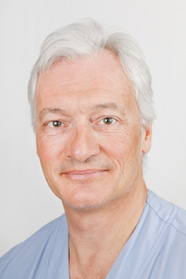
Contact Details
- Phone
- +64 3 470 9337
- dirk.deridder@otago.ac.nz
University Links
- Position
- Professor of Neurosurgery
- Department
- Department of Surgery and Critical Care (Dunedin)
- Qualifications
- MD PhD
- Research summary
- Functional imaging guided invasive and non-invasive neuromodulation of phantom percepts and psychological disorders
- Clinical
Skull base surgery (vestibular schwannomas, pituitary surgery), microvascular decompression surgery
Research
My research is centered on a Darwinian predictive brain model with Bayesian updating to adapt to an ever changing environment. This model is the basis to understand common pathophysiological mechanisms clustering groups of pathologies, such as thalamocortical dysrhythmias (pain, tinnitus, epilepsy, depression, Parkinson's disease, schizophrenia) or obsessive compulsive spectrum disorder (addiction, OCD, eating disorders,...).
This pathophysiological clustering permits to translate knowledge obtained from one disease to other diseases with similar underlying mechanisms, and to develop novel neuromodulation treatments based on it.
Our clinical neuromodulation research is based on the following concept:
- All aspects of human normal and pathological behaviour are based on brain activity and connectivity
- This activity and connectivity can be visualised by functional imaging techniques (PET, fMRI, EEG, MEG)
- Non-invasive neuromodulation techniques (TMS, tDCS, tRNS, tACS, EEGfeedback) can be used to modulate the abnormal activity and connectivity
- If this exerts a clinical benefit a permanent electrode can be implanted on the areas that yield clinical benefit with non-invasive techniques.
A third line of scientific interests focuses on the neural correlates of the 'self', how the self is generated in the brain (out of body experiences), its relation to the environment (perception and phantom perception), to others (morality and its pathologies) and god (religion).
Worldwide top ranking in Tinnitus expertise
Professor De Ridder has been ranked top-rated expert worldwide for expertise in Tinnitus as reported in Expertscape Inc:
expertscape.com website
Additional details
Most of my research starts with a philosophical account, predominantly based on Aristotelian thinking.
Publications
Bialostocki, L. S., Adhia, D. B., Rathnayake, D., Smith, M. L., Cakmak, Y. O., De Ridder, D., Mani, R., & Mathew, J. (2026). Associations between cortical dynamics and pain outcomes following infraslow neurofeedback training in individuals with neuropathic pain-like features. In A. Banstola (Ed.), Proceedings of the 42nd International Australasian Winter Conference on Brain Research (AWCBR). 42, 12.4, (pp. 66). Retrieved from https://www.awcbr.org Conference Contribution - Published proceedings: Abstract
Bialostocki, L., Adhia, D. B., Rathnayake, D., Smith, M. L., Cakmak, Y. O., De Ridder, D., Mani, R., & Mathew, J. (2026). EEG-neurofeedback training for chronic secondary musculoskeletal pain with neuropathic pain qualities: A single-arm, open-label pilot feasibility study. Proceedings of the 22nd Congress of the International Federation of Associations of Anatomists (IFAA): Anatomy for Everyone. (pp. 362). Retrieved from https://ifaa2026.org/en-AU Conference Contribution - Published proceedings: Abstract
Deng, B., Adhia, D. B., van Sleeuwen, C., Mansell, I., & De Ridder, D. (2026). Sound-paired vagus nerve stimulation for tinnitus: A safety and feasibility trial. Neuromodulation. Advance online publication. doi: 10.1016/j.neurom.2026.08.002 Journal - Research Article
Vanneste, S., Ost, J., & De Ridder, D. (2026). Sequential multimodal neuromodulation for treatment-resistant PTSD: A case report of lasting remission. Psychiatry Research Case Reports. Advance online publication. doi: 10.1016/j.psycr.2026.100344 Journal - Research Other
De Ridder, D., Kleinjung, T., Song, J.-J., Adhia, D., Hall, M., Yasoda-Mohan, A., … Langguth, B. (2026). Tinnitus and tinnitus disorder: Genetic, neurobiological, and clinical differentiation. iScience, 29(6), 116080. doi: 10.1016/j.isci.2026.116080 Journal - Research Article
2026
Journal - Research Article
Deng, B., Adhia, D. B., van Sleeuwen, C., Mansell, I., & De Ridder, D. (2026). Sound-paired vagus nerve stimulation for tinnitus: A safety and feasibility trial. Neuromodulation. Advance online publication. doi: 10.1016/j.neurom.2026.08.002
De Ridder, D., Kleinjung, T., Song, J.-J., Adhia, D., Hall, M., Yasoda-Mohan, A., … Langguth, B. (2026). Tinnitus and tinnitus disorder: Genetic, neurobiological, and clinical differentiation. iScience, 29(6), 116080. doi: 10.1016/j.isci.2026.116080
Lopez-Escamez, J. A., De Ridder, D., Jahn, K. N., Langguth, B., Sedley, W., Song, J.-J., & Vanneste, S. (2026). Sound hypersensitivity phenotypes and sound hypersensitivity disorder. Neuroscience & Biobehavioral Reviews, 188, 106796. doi: 10.1016/j.neubiorev.2026.106796
De Ridder, D., Baranidharan, G., Bretherton, B., Titterington, J., Black, S., Crowther, T., … Vanneste, S. (2026). Burst and 10kHz spinal cord stimulation: Different and common brain mechanisms. Neuromodulation. Advance online publication. doi: 10.1016/j.neurom.2026.05.014
Vanneste, S., De Ridder, D., Gallus, S., Husain, F. T., Kleinjung, T., Langguth, B., … Elgoyhen, A. B. (2026). Tinnitus. Nature Reviews Disease Primers, 12(1), 29. doi: 10.1038/s41572-026-00702-0
Zheng, Y., Parra, R. S., Park, J., Tan, H. T., Reshey, B., Smith, P. F., De Ridder, D., & Reynolds, J. N. J. (2026). Deep brain reconditioning stimulation suppresses tinnitus in a rat model. Scientific Reports. Advance online publication. doi: 10.1038/s41598-026-49513-z
Yue, Y., Manning, P., De Ridder, D., Hall, M., Adhia, D. B., Ross, S., Alencar da Costa, D., & Deng, J. D. (2026). Machine learning-based identification of abnormal functional connectivity in obesity across different metabolic states. Communications Medicine, 6, 241. doi: 10.1038/s43856-026-01518-5
Li, J., Deng, J. D., Adhia, D., Hall, M., Mani, R., & De Ridder, D. (2026). EEG connectivity features associated with fibromyalgia revealed by machine learning. Frontiers in Pain Research, 6, 1704444. doi: 10.3389/fpain.2025.1704444
Vanneste, S., Castejón-España, J., Arulchelvan, E., & De Ridder, D. (2026). Disentangling sex-specific mechanisms in neuropathic and nociplastic chronic pain: A review. Frontiers in Neurology, 16, 1730291. doi: 10.3389/fneur.2025.1730291
Vanneste, S., Ost, J., & De Ridder, D. (2026). The brain signs of wear and tear: Chronic stress associated alpha oscillations in the pregenual anterior cingulate cortex lead to fatigue. Neuroscience, 594, 134-141. doi: 10.1016/j.neuroscience.2025.12.020
Journal - Research Other
Vanneste, S., Ost, J., & De Ridder, D. (2026). Sequential multimodal neuromodulation for treatment-resistant PTSD: A case report of lasting remission. Psychiatry Research Case Reports. Advance online publication. doi: 10.1016/j.psycr.2026.100344
Falowski, S., & DeRidder, D. (2026). BurstDR and multi-area Burst DR spinal cord stimulation for the treatment of chronic pain: “Less is more”. Pain Management. Advance online publication. doi: 10.1080/17581869.2026.2663948
De Ridder, D., Hamblin, M. R., & Vanneste, S. (2026). Transcranial photobiomodulation for neuromodulation of brain disorders: A perspective. Neuromodulation. Advance online publication. doi: 10.1016/j.neurom.2025.12.006
Bialostocki, L. S., Adhia, D. B., Rathnayake Mudiyanselage, D., Smith, M. L., Cakmak, Y. O., De Ridder, D., Mani, R., & Mathew, J. (2026). Authors' reply: Bridging neurofeedback and structural connectivity in chronic pain. JMIR Research Protocols, 15, e89007. doi: 10.2196/89007
De Ridder, D., & Vanneste, S. (2026). Burst stimulation of the dorsal anterior cingulate cortex in addiction: Sustained benefit without continued stimulation. Neuromodulation, 29(3), 504-506. doi: 10.1016/j.neurom.2025.10.064
Conference Contribution - Published proceedings: Abstract
Bialostocki, L. S., Adhia, D. B., Rathnayake, D., Smith, M. L., Cakmak, Y. O., De Ridder, D., Mani, R., & Mathew, J. (2026). Associations between cortical dynamics and pain outcomes following infraslow neurofeedback training in individuals with neuropathic pain-like features. In A. Banstola (Ed.), Proceedings of the 42nd International Australasian Winter Conference on Brain Research (AWCBR). 42, 12.4, (pp. 66). Retrieved from https://www.awcbr.org
Bialostocki, L., Adhia, D. B., Rathnayake, D., Smith, M. L., Cakmak, Y. O., De Ridder, D., Mani, R., & Mathew, J. (2026). EEG-neurofeedback training for chronic secondary musculoskeletal pain with neuropathic pain qualities: A single-arm, open-label pilot feasibility study. Proceedings of the 22nd Congress of the International Federation of Associations of Anatomists (IFAA): Anatomy for Everyone. (pp. 362). Retrieved from https://ifaa2026.org/en-AU
Conference Contribution - Verbal presentation and other Conference outputs
Bialostocki, L., Adhia, D. B., De Ridder, D., Mani, R., & Mathew, J. (2026, March). Brain source localisation following EEG-neurofeedback in individuals with chronic musculoskeletal pain exhibiting neuropathic pain-like features. Verbal presentation at the New Zealand Pain Society (NZPS) Annual Scientific Meeting, Christchurch, New Zealand.
2025
Chapter in Book - Research
De Ridder, D., Kilgard, M. P., & Vanneste, S. (2025). Vagus nerve stimulation for the management of tinnitus. In P. S. Staats, C. Ayata, I. Lerman & A. Abd-Elsayed (Eds.), Vagus Nerve Stimulation. (pp. 165-177). London, UK: Academic Press. doi: 10.1016/B978-0-12-816996-4.00028-9
Journal - Research Article
van Sleeuwen, C., Adhia, D., Glue, P., & De Ridder, D. (2025). Investigating the feasibility and safety of transcranial infraslow gray noise stimulation as a potential treatment for generalized anxiety disorder. Scientific Reports, 15(1), 43975. doi: 10.1038/s41598-025-27624-3
Vanneste, S., Reynolds, J., & De Ridder, D. (2025). Focused transcranial ultrasound stimulation: A breakthrough approach to treating brain disorders. Expert Review of Medical Devices, 22(11), 1231-1242. doi: 10.1080/17434440.2025.2563618
Mathew, J., Adhia, D. B., Smith, M. L., De Ridder, D., & Mani, R. (2025). Can EEG-neurofeedback training enhance effective connectivity in people with chronic secondary musculoskeletal pain? A secondary analysis of a feasibility randomized controlled clinical trial. Brain & Behavior, 15(6), e70541. doi: 10.1002/brb3.70541
Perez, T. M., Adhia, D. B., Glue, P., Zeng, J., Dillingham, P., Navid, M. S., … Young, C. K., … De Ridder, D. (2025). Infraslow closed-loop brain training for anxiety and depression (ISAD): A pilot randomised, sham=controlled trial in adult females with internalizing disorders. Cognitive, Affective & Behavioral Neuroscience, 25, 1147-1180. doi: 10.3758/s13415-025-01279-z
Li, J., De Ridder, D., Adhia, D., Hall, M., Mani, R., & Deng, J. D. (2025). Modified feature selection for improved classification of resting-state raw EEG signals in chronic knee pain. IEEE Transactions on Biomedical Engineering, 72(5), 1688-1696. doi: 10.1109/TBME.2024.3517659
Guillard, R., Dauman, N., Cadix, A., Glabasnia Linck, C., Congedo, M., De Ridder, D., & Londero, A. (2025). Tinnitus, lucid dreaming and awakening: An online survey and theoretical implications. Hearing Research, 458, 109204. doi: 10.1016/j.heares.2025.109204
Li, J., Wang, L., Pan, Y., Huang, P., Xu, L., Zhang, Y., De Ridder, D., … Li, D. (2025). Subthalamic nucleus oscillations during facial emotion processing and apathy in Parkinson's disease. Journal of Affective Disorders, 373, 314-324. doi: 10.1016/j.jad.2025.01.005
Anderson, L., De Ridder, D., Glue, P., Mani, R., van Sleeuwen, C., Smith, M., & Adhia, D. B. (2025). A safety and feasibility randomized placebo controlled trial exploring electroencephalographic effective connectivity neurofeedback treatment for fibromyalgia. Scientific Reports, 15, 209. doi: 10.1038/s41598-024-83776-8
Vanloon, M., Van Broeckhoven, T., Raymaekers, V., De Ridder, D., Billet, B., Meeuws, S., … Plazier, M. (2025). Noninfectious complications of dorsal root ganglion stimulation: A systematic review and meta-analysis. Neuromodulation, 28, 234-248. doi: 10.1016/j.neurom.2024.10.010
Hutchinson-Wong, N., Glue, P., Adhia, D., & de Ridder, D. (2025). How does depressive cognition develop? A state-dependent network model of predictive processing. Psychological Review, 132(2), 442-469. doi: 10.1037/rev0000512
Mathew, J., Adhia, D. B., Smith, M. L., De Ridder, D., & Mani, R. (2025). Closed-loop infraslow brain–computer interface can modulate cortical activity and connectivity in individuals with chronic painful knee osteoarthritis: A secondary analysis of a randomized placebo-controlled clinical trial. Clinical EEG & Neuroscience, 56(2), 165-180. doi: 10.1177/15500594241264892
Journal - Research Other
Bialostocki, L. S., Adhia, D. B., Rathnayake Mudiyanselage, D., Smith, M. L., Cakmak, Y. O., De Ridder, D., Mani, R., & Mathew, J. (2025). Neurofeedback training for managing neuropathic pain-like features in chronic musculoskeletal pain: Protocol for an open-label pilot feasibility clinical trial. JMIR Research Protocols, 14, e78806. doi: 10.2196/78806
Adhia, D. B., Mani, R., Reynolds, J., Glue, P., Potiki, J., Vanneste, S., & De Ridder, D. (2025). Functional connectivity-targeted high-definition transcranial infraslow grey noise stimulation for chronic low back pain: Protocol for a double-blinded, randomised, controlled clinical trial. BMJ Open, 15, e103019. doi: 10.1136/bmjopen-2025-103019
De Ridder, D., Langguth, B., & Schlee, W. (2025). Mourning for silence: Bereavement and tinnitus: A perspective. Journal of Clinical Medicine, 14, 2218. doi: 10.3390/jcm14072218
Langguth, B., Landgrebe, M., & De Ridder, D. (2025). Perceptual disturbances and disorders in the ICD-11: An overview and a proposal for systematic classification. Brain Sciences, 15, 81. doi: 10.3390/brainsci15010081
Searchfield, G., Adhia, D., Barde, A., De Ridder, D., Doborjeh, M., Doborjeh, Z., … Smith, P. F., & Zheng, Y. (2025). A scoping review of tinnitus research undertaken by New Zealand researchers: Aotearoa: an international hotspot for tinnitus innovation and collaboration. Journal of the Royal Society of New Zealand, 55(3), 466-500. doi: 10.1080/03036758.2024.2363424
Conference Contribution - Published proceedings: Full paper
Yue, Y., De Ridder, D., Manning, P., & Deng, J. D. (2025). Variational autoencoder learns better feature representations for EEG-based obesity classification. In A. Antonacopoulos, S. Chaudhuri, R. Chellappa, C.-L. Liu, S. Bhattacharya & U. Pal (Eds.), Pattern Recognition: Lecture notes in computer science (Vol. 15323). (pp. 179-191). Cham, Switzerland: Springer. doi: 10.1007/978-3-031-78347-0_12
Conference Contribution - Published proceedings: Abstract
Bialostocki, L. S., Adhia, D. B., De Ridder, D., Mani, R., & Mathew, J. (2025). From signals to symptoms: Infraslow triple-network brain dysconnectivity linked to pain in chronic knee osteoarthritis. In A. Banstola (Ed.), Proceedings of the 41st International Australasian Winter Conference on Brain Research (AWCBR). 11.3, (pp. 56). Retrieved from https://www.awcbr.org
Mathew, J., Adhia, D. B., De Ridder, D., & Mani, R. (2025). Cortical brain correlates of chronic pain in knee osteoarthritis: A cross-sectional, source localised neuroimaging investigation. Anatomical Sciences Education, 18(2), (pp. 216). doi: 10.1002/ase.2554
Conference Contribution - Poster Presentation (not in published proceedings)
Bialostocki, L. S., Adhia, D. B., Rathnayake, D., Smith, M. L., De Ridder, D., Mani, R., & Mathew, J. (2025, December). A protocol for assessing the safety and feasibility of neurofeedback for managing neuropathic pain-like features in chronic musculoskeletal pain. Poster session presented at the Australian and New Zealand Association of Clinical Anatomists (ANZACA) Virtual Conference: Anatomy in Action, [online].
2024
Edited Book - Research
Schlee, W., Langguth, B., De Ridder, D., Vanneste, S., Kleinjung, T., & Møller, A. R. (Eds.). (2024). Textbook of tinnitus (2nd ed.). Cham, Switzerland: Springer, 800p. doi: 10.1007/978-3-031-35647-6
Chapter in Book - Research
Di Ieva, A., Molina, E. S., Somerville, M. A., Beheshti, A., Staartjes, V. E., Serra, C., … De Ridder, D., … Rosenfeld, J. V. (2024). Declaration of computational neurosurgery. In A. Di Ieva, E. S. Molina, S. Liu & C. Russo (Eds.), Computational neurosurgery: Advances in experimental medicine & biology (Vol. 1462). (pp. 11-20). Cham, Switzerland: Springer. doi: 10.1007/978-3-031-64892-2_2
De Ridder, D., Vanneste, S., Møller, A. R., Kleinjung, T., Langguth, B., & Schlee, W. (2024). The future of tinnitus research: "In crazy we believe, in science we trust". In W. Schlee, B. Langguth, D. De Ridder, S. Vanneste, T. Kleinjung & A. R. Møller (Eds.), Textbook of tinnitus. (2nd ed.) (pp. 781-786). Cham, Switzerland: Springer. doi: 10.1007/978-3-031-35647-6_60
Langguth, B., Kleinjung, T., Schlee, W., Vanneste, S., & De Ridder, D. (2024). Tinnitus treatment: Evidence and guidelines. In W. Schlee, B. Langguth, D. De Ridder, S. Vanneste, T. Kleinjung & A. R. Møller (Eds.), Textbook of tinnitus. (2nd ed.) (pp. 763-778). Cham, Switzerland: Springer. doi: 10.1007/978-3-031-35647-6_59
De Ridder, D., & Vanneste, S. (2024). Invasive brain stimulation. In W. Schlee, B. Langguth, D. De Ridder, S. Vanneste, T. Kleinjung & A. R. Møller (Eds.), Textbook of tinnitus. (2nd ed.) (pp. 679-691). Cham, Switzerland: Springer. doi: 10.1007/978-3-031-35647-6_53
Song, J.-J., & De Ridder, D. (2024). Pulsatile tinnitus. In W. Schlee, B. Langguth, D. De Ridder, S. Vanneste, T. Kleinjung & A. R. Møller (Eds.), Textbook of tinnitus. (2nd ed.) (pp. 483-499). Cham, Switzerland: Springer. doi: 10.1007/978-3-031-35647-6_40
De Ridder, D. (2024). Trauma-associated tinnitus. In W. Schlee, B. Langguth, D. De Ridder, S. Vanneste, T. Kleinjung & A. R. Møller (Eds.), Textbook of tinnitus. (2nd ed.) (pp. 457-464). Cham, Switzerland: Springer. doi: 10.1007/978-3-031-35647-6_38
De Ridder, D. (2024). Microvascular compression of the vestibulocochlear nerve. In W. Schlee, B. Langguth, D. De Ridder, S. Vanneste, T. Kleinjung & A. R. Møller (Eds.), Textbook of tinnitus. (2nd ed.) (pp. 423-437). Cham, Switzerland: Springer. doi: 10.1007/978-3-031-35647-6_35
De Ridder, D., & Kleinjung, T. (2024). Tinnitus and vestibular schwannoma. In W. Schlee, B. Langguth, D. De Ridder, S. Vanneste, T. Kleinjung & A. R. Møller (Eds.), Textbook of tinnitus. (2nd ed.) (pp. 413-421). Cham, Switzerland: Springer. doi: 10.1007/978-3-031-35647-6_34
De Ridder, D., Vanneste, S., Sedley, W., & Friston, K. (2024). The Bayesian brain and tinnitus. In W. Schlee, B. Langguth, D. De Ridder, S. Vanneste, T. Kleinjung & A. R. Møller (Eds.), Textbook of tinnitus. (2nd ed.) (pp. 189-203). Cham, Switzerland: Springer. doi: 10.1007/978-3-031-35647-6_17
Adcock, K., De Ridder, D., & Vanneste, S. (2024). Structural and functional MRI-based neuroimaging in tinnitus. In W. Schlee, B. Langguth, D. De Ridder, S. Vanneste, T. Kleinjung & A. R. Møller (Eds.), Textbook of tinnitus. (2nd ed.) (pp. 165-174). Cham, Switzerland: Springer. doi: 10.1007/978-3-031-35647-6_15
Møller, A. R., & De Ridder, D. (2024). Tinnitus and the somatosensory system. In W. Schlee, B. Langguth, D. De Ridder, S. Vanneste, T. Kleinjung & A. R. Møller (Eds.), Textbook of tinnitus. (2nd ed.) (pp. 135-143). Cham, Switzerland: Springer. doi: 10.1007/978-3-031-35647-6_12
De Ridder, D., & Møller, A. R. (2024). Similarities between tinnitus and pain. In W. Schlee, B. Langguth, D. De Ridder, S. Vanneste, T. Kleinjung & A. R. Møller (Eds.), Textbook of tinnitus. (2nd ed.) (pp. 81-98). Cham, Switzerland: Springer. doi: 10.1007/978-3-031-35647-6_8
Langguth, B., & De Ridder, D. (2024). Tinnitus, tinnitus disorder, and other phantom perceptions. In W. Schlee, B. Langguth, D. De Ridder, S. Vanneste, T. Kleinjung & A. R. Møller (Eds.), Textbook of tinnitus. (2nd ed.) (pp. 17-24). Cham, Switzerland: Springer. doi: 10.1007/978-3-031-35647-6_2
De Ridder, D., & De Ridder-Symoens, H. (2024). History of tinnitus. In W. Schlee, B. Langguth, D. De Ridder, S. Vanneste, T. Kleinjung & A. R. Møller (Eds.), Textbook of tinnitus. (2nd ed.) (pp. 3-16). Cham, Switzerland: Springer. doi: 10.1007/978-3-031-35647-6_1
Journal - Research Article
De Ridder, D., & Vanneste, S. (2024). Thalamocortical dysrhythmia and reward deficiency syndrome as uncertainty disorders. Neuroscience, 563, 20-34. doi: 10.1016/j.neuroscience.2024.11.002
Raymaekers, V., Roosen, G., Put, E., Achahbar, S.-E., Meeuws, S., Wissels, M., … De Ridder, D., … Plazier, M. (2024). Prolonged opioid use after single-level lumbar spinal fusion surgery in a Belgian population: A multicentric observational study. European Spine Journal, 33, 3559-3566. doi: 10.1007/s00586-024-08448-7
De Ridder, D., Adhia, D., & Vanneste, S. (2024). The brain's duck test in phantom percepts: Multisensory congruence in neuropathic pain and tinnitus. Brain Research, 1844, 149137. doi: 10.1016/j.brainres.2024.149137
Deer, T. R., Russo, M., Grider, J. S., Sayed, D., Lamer, T. J., Dickerson, D. M., … De Ridder, D., … Levy, R. M. (2024). The Neurostimulation Appropriateness Consensus Committee (NACC)®: Recommendations for spinal cord stimulation long-term outcome optimization and salvage therapy [Review]. Neuromodulation, 27, 951-976. doi: 10.1016/j.neurom.2024.04.006
Vanneste, S., Byczynski, G., Verplancke, T., Ost, J., Song, J.-J., & De Ridder, D. (2024). Switching tinnitus on or off: An initial investigation into the role of the pregenual and rostral to dorsal anterior cingulate cortices. NeuroImage, 297, 120713. doi: 10.1016/j.neuroimage.2024.120713
De Ridder, D., Siddiqi, M. A., Dauwels, J., Serdijn, W. A., & Strydis, C. (2024). NeuroDots: From single-target to brain-network modulation: Why and what is needed? Neuromodulation, 27, 711-729. doi: 10.1016/j.neurom.2024.01.003
Mathew, J., Adhia, D. B., Hall, M., De Ridder, D., & Mani, R. (2024). EEG-based cortical alterations in individuals with chronic knee pain secondary to osteoarthritis: A cross-sectional investigation. Journal of Pain, 25(5), 104429. doi: 10.1016/j.jpain.2023.11.012
Prinsloo, S., Kaptchuk, T. J., De Ridder, D., Lyle, R., Bruera, E., Novy, D., … Cohen, L. G. (2024). Brain-computer interface relieves chronic chemotherapy-induced peripheral neuropathy: A randomized, double-blind, placebo-controlled trial. Cancer, 130, 300-311. doi: 10.1002/cncr.35027
Mathew, J., Perez, T. M., Adhia, D. B., De Ridder, D., & Mani, R. (2024). Is there a difference in EEG characteristics in acute, chronic, and experimentally induced musculoskeletal pain states? A systematic review. Clinical EEG & Neuroscience, 55(1), 101-120. doi: 10.1177/15500594221138292
Journal - Research Other
Langguth, B., de Ridder, D., Schlee, W., & Kleinjung, T. (2024). Tinnitus: Clinical insights in its pathophysiology: A perspective. Journal of the Association for Research in Otolaryngology, 25, 249-258. doi: 10.1007/s10162-024-00939-0
Raymaekers, V., Roosen, G., Put, E., Vanvolsem, S., Achahbar, S.-E., Meeuws, S., … De Ridder, D., … Plazier, M. (2024). Transforaminal epidural steroid injection for radiculopathy and the evolution to surgical treatment: A pragmatic prospective observational multicenter study\n. Pain Management, 14(4), 173-182. doi: 10.2217/pmt-2023-0121
Mani, R., Adhia, D. B., Awatere, S., Gray, A. R., Mathew, J., Wilson, L. C., Still, A., Jackson, D., Hudson, B., … De Ridder, D. (2024). Self-regulation training for people with knee osteoarthritis: A protocol for a feasibility randomised control trial (MiNT Trial). Frontiers in Pain Research, 4, 1271839. doi: 10.3389/fpain.2023.1271839
Conference Contribution - Published proceedings: Abstract
Adhia, D. B., Mani, R., Turner, P., O'Leary, F., Hall, M., Reynolds, J. N. J., Vanneste, S., & De Ridder, D. (2024). High-definition transcranial infraslow pink noise stimulation for chronic low back pain: A pilot, safety, and feasibility randomised placebo-controlled trial. Proceedings of the New Zealand Pain Society (NZPS) Annual Scientific Meeting: Empowering Pain Management in New Zealand. Retrieved from https://www.nzps2024.nz/
Conference Contribution - Poster Presentation (not in published proceedings)
Crellin, S., Sheard, P., Glue, P., Heyward, P. M., & De Ridder, D. (2024, August-September). Novel therapeutic targets in the treatment of bipolar disorder. Poster session presented at the 18th New Zealand Medical Sciences Congress (MedSci), Queenstown, New Zealand.
Conference Contribution - Verbal presentation and other Conference outputs
Crellin, S., Sheard, P., Heyward, P., Glue, P., & de Ridder, D. (2024, August). Effect of bipolar disorder medications: Ex vivo and clinical results. Verbal presentation at the BMS Postgraduate Symposium, Dunedin, New Zealand.
Crellin, S., Glue, P., Sheard, P., Heyward, P. M., & De Ridder, D. (2024, August-September). EEG biomarkers and dysconnectivity in bipolar disorder. Verbal presentation at the Queenstown Research Week (QRW) Mental Health Meeting, Queenstown, New Zealand.
2023
Chapter in Book - Research
De Ridder, D., Smith, M. L., & Adhia, D. (2023). Autonomic nervous system and the triple network: An evolutionary perspective with clinical implications. In D. R. Chartier, M. B. Dellinger, J. R. Evans & H. K. Budzynski (Eds.), Introduction to quantitative EEG and neurofeedback. (3rd ed.) (pp. 63-77). London, UK: Academic Press. doi: 10.1016/B978-0-323-89827-0.00016-4
Journal - Research Article
Vanloon, M., Raymaekers, V., Meeuws, S., de Ridder, D., & Plazier, M. (2023). Correlation between abdominal wall stimulation and spinal cord stimulator tip location: A nonrandomized clinical trial. Neuromodulation, 26, 1459-1464. doi: 10.1016/j.neurom.2023.07.004
Vanneste, S., & De Ridder, D. (2023). BurstDR spinal cord stimulation rebalances pain input and pain suppression in the brain in chronic neuropathic pain. Brain Stimulation, 16, 1186-1195. doi: 10.1016/j.brs.2023.07.058
De Ridder, D., Friston, K., Sedley, W., & Vanneste, S. (2023). A parahippocampal-sensory Bayesian vicious circle generates pain or tinnitus: A source-localized EEG study. Brain Communications, 5(3), fcad132. doi: 10.1093/braincomms/fcad132
Piarulli, A., Vanneste, S., Nemirovsky, I. E., Kandeepan, S., Maudoux, A., Gemignani, A., De Ridder, D., & Soddu, A. (2023). Tinnitus and distress: An electroencephalography classification study. Brain Communications, 5(1), fcad018. doi: 10.1093/braincomms/fcad018
Adhia, D. B., Mani, R., Mathew, J., O'Leary, F., Smith, M., Vanneste, S., & De Ridder, D. (2023). Exploring electroencephalographic infraslow neurofeedback treatment for chronic low back pain: A double-blinded safety and feasibility randomized placebo-controlled trial. Scientific Reports, 13, 1177. doi: 10.1038/s41598-023-28344-2
Smeele, S. J., Adhia, D. B., & De Ridder, D. (2023). Feasibility and safety of high-definition infraslow pink noise stimulation for treating chronic tinnitus: A randomized placebo-controlled trial. Neuromodulation, 26, 801-816. doi: 10.1016/j.neurom.2022.10.049
Adhia, D. B., Mani, R., Reynolds, J. N. J., Hall, M., Vanneste, S., & De Ridder, D. (2023). High-definition transcranial infraslow pink-noise stimulation can influence functional and effective cortical connectivity in individuals with chronic low back pain: A pilot randomized placebo-controlled study. Neuromodulation, 26, 788-800. doi: 10.1016/j.neurom.2022.08.450
Schultheis, B. C., Wille, C., Ross-Steinhagen, N. E., De Ridder, D., Vancamp, T., & Weidle, P. A. (2023). Alternative dorsal root ganglion neuromodulation electrode implantation: A report of 2 cases with 3 different techniques. Journal of Neurological Surgery: Part A, 84(5), 477-482. doi: 10.1055/s-0041-1739219
Journal - Research Other
Raymaekers, V., Meeuws, S., Goudman, L., Van der Steen, G., Moens, M., Vanloon, M., De Ridder, D., … Plazier, M. (2023). Patient profiling and outcome assessment in spinal cord stimulation for chronic back and/or leg pain (the PROSTIM study): A study protocol. Pain Management, 13(12), 677-687. doi: 10.2217/pmt-2023-0103
Langguth, B., & De Ridder, D. (2023). Minimal clinically important difference of tinnitus outcome measurement instruments: A scoping review. Journal of Clinical Medicine, 12, 7117. doi: 10.3390/jcm12227117
Langguth, B., Kleinjung, T., Schlee, W., Vanneste, S., & De Ridder, D. (2023). Tinnitus guidelines and their evidence base. Journal of Clinical Medicine, 12(9), 3087. doi: 10.3390/jcm12093087
De Ridder, D. (2023). Semantic confusion risks undermining the science of spinal cord stimulation. Neuromodulation, 26, 471-473. doi: 10.1016/j.neurom.2022.12.001
Conference Contribution - Published proceedings: Abstract
Anderson, L., De Ridder, D., Glue, P., Mani, R., & Adhia, D. (2023). Exploring novel effective connectivity neurofeedback training for treatment of fibromyalgia: A pilot randomised placebo-controlled study. In T. Milne, M. Anwar, L. Burga, H. Harcombe, M. Garelja, A. Middleton, D. C. Ribeiro, N. Fleming, K. Ogbuehi & A. Bahn (Eds.), Proceedings of the 268th Otago Medical School Research Society (OMSRS) Meeting: Masters/Honours/Postgraduate Diploma Student Speaker Awards. Dunedin, New Zealand: OMSRS. Retrieved from https://ourarchive.otago.ac.nz/handle/10523/12839
Crellin, S., Sheard, P., Heyward, P. M., De Ridder, D., & Glue, P. (2023). Modulation of axonal action potential conduction with bipolar disorder therapeutics. In K.-L. Horne (Ed.), Proceedings of the 39th International Australasian Winter Conference on Brain Research (AWCBR). (pp. 48). Retrieved from https://www.awcbr.org
van Sleeuwen, C., Adhia, D., Glue, P., Hall, M., & De Ridder, D. (2023). High-definition transcranial grey noise stimulation (HD-tGNS) as an intervention for generalized anxiety disorder: A pilot randomised sham-controlled trial. In K.-L. Horne (Ed.), Proceedings of the 39th International Australasian Winter Conference on Brain Research (AWCBR). (pp. 41). Retrieved from https://www.awcbr.org
Anderson, L., De Ridder, D., Glue, P., Mani, R., & Adhia, D. (2023). Exploring novel functional connectivity neurofeedback training for treatment of fibromyalgia: A pilot randomised placebo-controlled study. In K.-L. Horne (Ed.), Proceedings of the 39th International Australasian Winter Conference on Brain Research (AWCBR). (pp. 26). Retrieved from https://www.awcbr.org
Conference Contribution - Poster Presentation (not in published proceedings)
van Sleeuwen, C., Adhia, D., Glue, P., Hall, M., & De Ridder, D. (2023, August). High-definition transcranial grey noise stimulation (HDtGNS) as an intervention for generalized anxiety disorder: A pilot randomised sham-controlled trial. Poster session presented at the Brain Health Research Centre (BHRC) Annual Conference, Dunedin, New Zealand.
Conference Contribution - Verbal presentation and other Conference outputs
Anderson, L., De Ridder, D., Glue, P., Mani, R., & Adhia, D. (2023, August). Exploring novel functional connectivity neurofeedback training for treatment of fibromyalgia: A pilot randomised placebo-controlled study. Verbal presentation at the Brain Health Research Centre (BHRC) Annual Conference, Dunedin, New Zealand.
2022
Journal - Research Article
Lee, S. J., Park, J., Lee, S.-Y., Koo, J.-W., Vanneste, S., De Ridder, D., … Song, J.-J. (2022). Triple network activation causes tinnitus in patients with sudden sensorineural hearing loss: A model-based volume-entropy analysis. Frontiers in Neuroscience, 16, 1028776. doi: 10.3389/fnins.2022.1028776
Adhia, D. B., Mani, R., Turner, P. R., Vanneste, S., & de Ridder, D. (2022). Infraslow neurofeedback training alters effective connectivity in individuals with chronic low back pain: A secondary analysis of a pilot randomized placebo-controlled study. Brain Sciences, 12(11), 1514. doi: 10.3390/brainsci12111514
Mathew, J., Adhia, D. B., Smith, M. L., De Ridder, D., & Mani, R. (2022). Source localized infraslow neurofeedback training in people with chronic painful knee osteoarthritis: A randomized, double-blind, sham-controlled feasibility clinical trial. Frontiers in Neuroscience, 16, 899772. doi: 10.3389/fnins.2022.899772
Raymaekers, V., Bamps, S., Duyvendak, W., Put, E., Roosen, G., Vanvolsem, S., … De Ridder, D., & Plazier, M. (2022). Real world data collection and cluster analysis in patients with sciatica due to lumbar disc herniation. Clinical Neurology & Neurosurgery, 217, 107246. doi: 10.1016/j.clineuro.2022.107246
Mohan, A., Leong, S. L., De Ridder, D., & Vanneste, S. (2022). Symptom dimensions to address heterogeneity in tinnitus. Neuroscience & Biobehavioral Reviews, 134, 104542. doi: 10.1016/j.neubiorev.2022.104542
Bretherton, B., de Ridder, D., Crowther, T., Black, S., Whelan, A., & Baranidharan, G. (2022). Men and women respond equally well to spinal cord and dorsal root ganglion stimulation. Neuromodulation, 25, 1015-1023. doi: 10.1111/ner.13484
Journal - Research Other
Perez, T. M., Glue, P., Adhia, D. B., Navid, M. S., Zeng, J., Dillingham, P., … Young, C. K., & De Ridder, D. (2022). Infraslow closed-loop brain training for anxiety and depression (ISAD): A protocol for a randomized, double-blind, sham-controlled pilot trial in adult females with internalizing disorders. Trials, 23, 949. doi: 10.1186/s13063-022-06863-z
Brunoni, A. R., Ekhtiari, H., Antal, A., Auvichayapat, P., Baeken, C., Benseñor, I. M., … De Ridder, D., … Fregni, F. (2022). Digitalized transcranial electrical stimulation: A consensus statement. Clinical Neurophysiology, 143, 154-165. doi: 10.1016/j.clinph.2022.08.018
De Ridder, D., Vanneste, S., Song, J.-J., & Adhia, D. (2022). Tinnitus and the triple network model: A perspective. Clinical & Experimental Otorhinolaryngology, 15(3), 205-212. doi: 10.21053/ceo.2022.00815
Adhia, D. B., Mani, R., Reynolds, J. N. J., Vanneste, S., & De Ridder, D. (2022). High-definition transcranial infraslow pink noise stimulation for chronic low back pain: protocol for a pilot, safety and feasibility randomised placebo-controlled trial. BMJ Open, 12, e056842. doi: 10.1136/bmjopen-2021-056842
Perez, T. M., Mathew, J., Glue, P., Adhia, D. B., & De Ridder, D. (2022). Is there evidence for the specificity of closed-loop brain training in the treatment of internalizing disorders? A systematic review. Frontiers in Neuroscience, 16, 821136. doi: 10.3389/fnins.2022.821136
De Ridder, D., Vanneste, S., Smith, M., & Adhia, D. (2022). Pain and the triple network model. Frontiers in Neurology, 13, 757241. doi: 10.3389/fneur.2022.757241
Thissen, J., De Ridder, D., Maciaczyk, J., & Bara, G. A. (2022). Endoscopic lateral approach for dorsal root ganglion burst stimulation: Technical note and illustrative case series. Neuromodulation, 25, 1033-1039. doi: 10.1016/j.neurom.2021.10.022
Conference Contribution - Published proceedings: Abstract
De Ridder, D. (2022). Trauma, neuro-inflammation and psychedelic neuromodulation: The path forward. Asia Pacific Journal of Neurotherapy, 4(2), (pp. 5). Retrieved from https://apjnt.org
Plazier, M., Raymaekers, V., Duyvendak, W., Meeuws, S., Wissels, M., Vanvolsem, S., … De Ridder, D., & Vesper, J. (2022). The big change is comming: BIG Data. Neuromodulation, 25(7, Suppl. ), (pp. S198). doi: 10.1016/j.neurom.2022.08.222
Mathew, J., Adhia, D., De Ridder, D., & Mani, R. (2022). Intracortical connectivity changes following infra-slow neurofeedback training in painful chronic knee osteoarthritis: A feasibility clinical trial. British Journal of Pain, 16(2, Suppl. 1), (pp. 24-25). doi: 10.1177/20494637221103093
Adhia, D. B., Mani, R., Mathew, J., O'Leary, F., Smith, M., Vanneste, S., & De Ridder, D. (2022). Electroencephalographic infraslow neurofeedback treatment for chronic low back pain: A safety and feasibility randomised placebo-controlled trial. Proceedings of the New Zealand Pain Society (NZPS) Annual Scientific Meeting. Retrieved from https://www.nzps2022.nz
Conference Contribution - Poster Presentation (not in published proceedings)
Mathew, J., Adhia, D., De Ridder, D., & Mani, R. (2022, March). EEG infraslow neurofeedback training for pain management in people with knee osteoarthritis: A randomised sham-controlled feasibility clinical trial. Poster session presented at the New Zealand Pain Society (NZPS) Annual Scientific Meeting, [Online].
2021
Edited Book - Research
Schlee, W., Langguth, B., Kleinjung, T., Vanneste, S., & De Ridder, D. (Eds.). (2021). Tinnitus: An interdisciplinary approach towards individualized treatment: From heterogeneity to personalized medicine: Progress in brain research (Vol. 260). Amsterdam, The Netherlands: Elsevier, 451p.
Langguth, B., Kleinjung, T., de Ridder, D., Schlee, W., & Vanneste, S. (Eds.). (2021). Tinnitus: An interdisciplinary approach towards individualized treatment: Towards understanding the complexity of tinnitus: Progress in brain research (Vol. 262). Amsterdam, The Netherlands: Elsevier, 526p.
Chapter in Book - Research
Searchfield, G. D., Zhang, J., Biswas, R., De Ridder, D., Deutsch, B., Hall, D. A., … Kleinstäuber, M., … Smith, P. F., … Zheng, Y. (2021). Emerging topics in the behavioral neuroscience of tinnitus. In G. D. Searchfield & J. Zhang (Eds.), The behavioral neuroscience of tinnitus: Current topics in behavioral neurosciences (Vol. 51). (pp. 461-484). Cham, Switzerland: Springer. doi: 10.1007/7854_2021_217
Li, J., Deng, J. D., Adhia, D., & de Ridder, D. (2021). Resting-state EEG sex classification using selected brain connectivity representation. In T. D. Pham, H. Yan, M. W. Ashraf & F. Sjöberg (Eds.), Advances in artificial intelligence, computation, and data science: For medicine and life science. (pp. 319-329). Cham, Switzerland: Springer. doi: 10.1007/978-3-030-69951-2_13
De Ridder, D., Adhia, D., & Langguth, B. (2021). Tinnitus and brain stimulation. In G. D. Searchfield & J. Zhang (Eds.), The behavioral neuroscience of tinnitus: Current topics in behavioral neurosciences (Vol. 51). (pp. 249-294). Cham, Switzerland: Springer. doi: 10.1007/7854_2021_219
To, W. T., Song, J.-J., Mohan, A., De Ridder, D., & Vanneste, S. (2021). Thalamocortical dysrhythmia underpin the log-dynamics in phantom sounds. In B. Langguth, T. Kleinjung, D. De Ridder, W. Schlee & S. Vanneste (Eds.), Tinnitus: An interdisciplinary approach towards individualized treatment: Towards understanding the complexity of tinnitus: Progress in brain research (Vol. 262). (pp. 511-526). Amsterdam, The Netherlands: Elsevier. doi: 10.1016/bs.pbr.2021.04.001
De Ridder, D., Schlee, W., Vanneste, S., Londero, A., Weisz, N., Kleinjung, T., … Kleinstaeuber, M., … Zheng, Y., … Adhia, D. (2021). Tinnitus and tinnitus disorder: Theoretical and operational definitions (an international multidisciplinary proposal). In W. Schlee, B. Langguth, T. Kleinjung, S. Vanneste & D. De Ridder (Eds.), Tinnitus: An interdisciplinary approach towards individualized treatment: From heterogeneity to personalized medicine: Progress in brain research (Vol. 260). (pp. 1-25). Amsterdam, The Netherlands: Elsevier. doi: 10.1016/bs.pbr.2020.12.002
Vanneste, S., Mohan, A., De Ridder, D., & To, W. T. (2021). The BDNF Val66Met polymorphism regulates vulnerability to chronic stress and phantom perception. In W. Schlee, B. Langguth, T. Kleinjung, S. Vanneste & D. De Ridder (Eds.), Tinnitus: An interdisciplinary approach towards individualized treatment: From heterogeneity to personalized medicine: Progress in brain research (Vol. 260). (pp. 301-326). Amsterdam, The Netherlands: Elsevier. doi: 10.1016/bs.pbr.2020.08.005
He, J., Aa, J.-Y., Sun, J.-G., Smith, P. F., De Ridder, D., Wang, G.-J., & Zheng, Y. (2021). Metabolic changes in the brain and blood of rats following acoustic trauma, tinnitus and hyperacusis. In B. Langguth, T. Kleinjung, D. De Ridder, W. Schlee & S. Vanneste (Eds.), Tinnitus: An interdisciplinary approach towards individualized treatment: Towards understanding the complexity of tinnitus: Progress in brain research (Vol. 262). (pp. 399-430). Amsterdam, The Netherlands: Elsevier. doi: 10.1016/bs.pbr.2020.09.002
Yoo, H. B., Mohan, A., De Ridder, D., & Vanneste, S. (2021). Paradoxical relationship between distress and functional network topology in phantom sound perception. In W. Schlee, B. Langguth, T. Kleinjung, S. Vanneste & D. De Ridder (Eds.), Tinnitus: An interdisciplinary approach towards individualized treatment: From heterogeneity to personalized medicine: Progress in brain research (Vol. 260). (pp. 367-395). Amsterdam, The Netherlands: Elsevier. doi: 10.1016/bs.pbr.2020.08.007
de Ridder, D., Langguth, B., & Vanneste, S. (2021). Vagus nerve stimulation for tinnitus: A review and perspective. In B. Langguth, T. Kleinjung, D. De Ridder, W. Schlee & S. Vanneste (Eds.), Tinnitus: An interdisciplinary approach towards individualized treatment: Towards understanding the complexity of tinnitus: Progress in brain research (Vol. 262). (pp. 451-467). Amsterdam, The Netherlands: Elsevier. doi: 10.1016/bs.pbr.2020.08.011
De Ridder, D., & Vanneste, S. (2021). The Bayesian brain in imbalance: Medial, lateral and descending pathways in tinnitus and pain: A perspective. In B. Langguth, T. Kleinjung, D. De Ridder, W. Schlee & S. Vanneste (Eds.), Tinnitus: An interdisciplinary approach towards individualized treatment: Towards understanding the complexity of tinnitus: Progress in brain research (Vol. 262). (pp. 309-334). Amsterdam, The Netherlands: Elsevier. doi: 10.1016/bs.pbr.2020.07.012
Journal - Research Article
Lee, S.-Y., Chang, M., Kwon, B., Choi, B. Y., Koo, J.-W., Moon, T., De Ridder, D., … Song, J.-J. (2021). Is the posterior cingulate cortex an on-off switch for tinnitus?: A comparison between hearing loss subjects with and without tinnitus. Hearing Research, 41, 108356. doi: 10.1016/j.heares.2021.108356
Song, J.-J., Park, J., Koo, J.-W., Lee, S.-Y., Vanneste, S., De Ridder, D., … Lim, S. (2021). The balance between Bayesian inference and default mode determines the generation of tinnitus from decreased auditory input: A volume entropy-based study. Human Brain Mapping, 42, 4059-4073. doi: 10.1002/hbm.25539
Sui, Y., Tian, Y., Ko, W. K. D., Wang, Z., Jiang, F., Horn, A., De Ridder, D., … Li, L. (2021). Deep brain stimulation initiative: Toward innovative technology, new disease indications, and approaches to current and future clinical challenges in neuromodulation therapy. Frontiers in Neurology, 11, 597451. doi: 10.3389/fneur.2020.597451
Leong, S. L., De Ridder, D., Deer, T., & Vanneste, S. (2021). Potential therapeutic effect of low amplitude burst spinal cord stimulation on pain. Neuromodulation, 24(3), 574-580. doi: 10.1111/ner.13090
Journal - Research Other
De Ridder, D., Adhia, D., & Vanneste, S. (2021). The anatomy of pain and suffering in the brain and its clinical implications. Neuroscience & Biobehavioral Reviews, 130, 125-146. doi: 10.1016/j.neubiorev.2021.08.013
Perez, T. M., Glue, P., Adhia, D. B., Mathew, J., & De Ridder, D. (2021). Is there evidence for EEG-neurofeedback specificity in the treatment of internalizing disorders? A protocol for a systematic review and meta-analysis. NeuroRegulation, 8(1), 22-28. doi: 10.15540/nr.8.1.22
De Ridder, D., Maciaczyk, J., & Vanneste, S. (2021). The future of neuromodulation: Smart neuromodulation. Expert Review of Medical Devices, 18(4), 307-317. doi: 10.1080/17434440.2021.1909470
Zhao, Y., Sallie, S. N., Cui, H., Zeng, N., Du, J., Yuan, T., … De Ridder, D., & Zhang, C. (2021). Anterior cingulate cortex in addiction: New insights for neuromodulation. Neuromodulation, 24, 187-196. doi: 10.1111/ner.13291
Conference Contribution - Published proceedings: Abstract
Nair, S. K., De Ridder, D., & Adhia, D. (2021). Infra-slow pink noise stimulation can increase default-mode network activity in individuals with early Alzheimer's disease. New Zealand Medical Journal, 134(1547), (pp. 142-143). Retrieved from https://www.nzma.org.nz/journal
Perez, T., Glue, P., De Ridder, D., Adhia, D., & Mathew, J. (2021). Is there evidence for EEG-neurofeedback specificity in the treatment of internalizing disorders: A systematic review and meta-analysis. Proceedings of the International Society for Neuroregulation & Research (ISNR) 29th Annual Conference. Retrieved from https://isnr.org/
Mathew, J., Adhia, D., De Ridder, D., Smith, M. L., & Mani, R. (2021). Infra-slow EEG neurofeedback training for pain management in people with knee osteoarthritis: A pilot and feasibility clinical trial. Proceedings of the International Society for Neuroregulation & Research (ISNR) 29th Annual Conference. Retrieved from https://isnr.org/
Whittington, F., De Ridder, D., & Adhia, D. (2021). High definition transcranial infraslow pink noise stimulation for improving executive functioning in healthy older adults: A pilot safety trial. New Zealand Medical Journal, 134(1537), (pp. 115-116). Retrieved from https://www.nzma.org.nz/journal
Conference Contribution - Verbal presentation and other Conference outputs
De Ridder, D. (2021, December). Research advances in neuromodulation of pain. Keynote presentation at the Pain@Otago Research Symposium, [Online].
2020
Journal - Research Article
Lee, S.-Y., Choi, B. Y., Koo, J.-W., De Ridder, D., & Song, J.-J. (2020). Cortical oscillatory signatures reveal the prerequisites for tinnitus perception: A comparison of subjects with sudden sensorineural hearing loss with and without tinnitus. Frontiers in Neuroscience, 14, 596647. doi: 10.3389/fnins.2020.596647
Han, J. J., De Ridder, D., Vanneste, S., Chen, Y.-C., Koo, J.-W., & Song, J.-J. (2020). Pre-treatment ongoing cortical oscillatory activity predicts improvement of tinnitus after partial peripheral reafferentation with hearing aids. Frontiers in Neuroscience, 14, 410. doi: 10.3389/fnins.2020.00410
Leong, S. L., Glue, P., Manning, P., Vanneste, S., Lim, L. J., Mohan, A., & De Ridder, D. (2020). Anterior cingulate cortex implants for alcohol addiction: A feasibility study. Neurotherapeutics, 17, 1287-1299. doi: 10.1007/s13311-020-00851-4
Ros, T., Enriquez-Geppert, S., Zotev, V., Young, K. D., Wood, G., Whitfield-Gabrieli, S., … De Ridder, D., … Thibault, R. T. (2020). Consensus on the reporting and experimental design of clinical and cognitive-behavioural neurofeedback studies (CRED-nf checklist). Brain, 143, 1674-1685. doi: 10.1093/brain/awaa009
Yearwood, T., De Ridder, D., Bin Yoo, H., Falowski, S., Venkatesan, L., To, W. T., & Vanneste, S. (2020). Comparison of neural activity in chronic pain patients during tonic and burst spinal cord stimulation using fluorodeoxyglucose positron emission tomography. Neuromodulation, 23, 56-63. doi: 10.1111/ner.12960
Mohan, A., Davidson, C., De Ridder, D., & Vanneste, S. (2020). Effective connectivity analysis of inter- and intramodular hubs in phantom sound perception: Identifying the core distress network. Brain Imaging & Behavior, 14, 289-307. doi: 10.1007/s11682-018-9989-7
Journal - Research Other
Mathew, J., Adhia, D. B., Smith, M. L., De Ridder, D., & Mani, R. (2020). Protocol for a pilot randomized sham-controlled clinical trial evaluating the feasibility, safety, and acceptability of infraslow electroencephalography neurofeedback training on experimental and clinical pain outcomes in people with chronic painful knee. NeuroRegulation, 7(1), 30-44. doi: 10.15540/nr.7.1.30
De Ridder, D., Vancamp, T., Falowski, S. M., & Vanneste, S. (2020). All bursts are equal, but some are more equal (to burst firing): burstDR stimulation versus Boston burst stimulation. Expert Review of Medical Devices, 17(4), 289-295. doi: 10.1080/17434440.2020.1736560
De Ridder, D., & Vanneste, S. (2020). Confusion about "burst stimulation". Neuromodulation, 23(1), 140-141. doi: 10.1111/ner.13080
Conference Contribution - Published proceedings: Full paper
Li, J., Deng, J. D., De Ridder, D., & Adhia, D. (2020). Gender classification of EEG signals using a motif attribute classification ensemble. Proceedings of the International Joint Conference on Neural Networks (IJCNN). (pp. 1-8). IEEE. doi: 10.1109/IJCNN48605.2020.9207695
Conference Contribution - Poster Presentation (not in published proceedings)
Mathew, J., Adhia, D., De Ridder, D., & Mani, R. (2020, November). Source-localized infra-slow EEG neurofeedback for pain management in people with knee osteoarthritis: A pilot investigation. Poster session presented at the Brain Health Research Centre Lecture and Poster Session, Dunedin, New Zealand.
Mathew, J., Adhia, D., De Ridder, D., & Mani, R. (2020, July-August). Infraslow neurofeedback for knee osteoarthritic pain: A feasibility study protocol. Poster session presented at the 28th Annual International Society for Neuroregulation and Research (ISNR) Conference, [Online].
Conference Contribution - Verbal presentation and other Conference outputs
Mathew, J., Adhia, D., De Ridder, D., & Mani, R. (2020, December). Electroencephalography neurofeedback training for pain management: Acceptability, perceived levels of effectiveness, motivation, and engagement with training in people with knee osteoarthritis. Verbal presentation at the School of Physiotherapy Postgraduate Research Symposium, Dunedin, New Zealand.
Working Paper; Discussion Paper; Technical Report
Li, J., Deng, J. D., Adhia, D., & de Ridder, D. (2020). Resting-state EEG sex classification using selected brain connectivity representation. arXiv. Retrieved from https://arxiv.org/abs/2012.11105
2019
Journal - Research Article
Lee, S.-Y., Rhee, J., Shim, Y. J., Kim, Y., Koo, J.-W., De Ridder, D., … Song, J.-J. (2019). Changes in the resting-state cortical oscillatory activity 6 months after modified tinnitus retraining therapy. Frontiers in Neuroscience, 13, 1123. doi: 10.3389/fnins.2019.01123
Mani, R., Adhia, D. B., Leong, S. L., Vanneste, S., & De Ridder, D. (2019). Sedentary behaviour facilitates conditioned pain modulation in middle-aged and older adults with persistent musculoskeletal pain: A cross-sectional investigation. PAIN Reports, 4, e773. doi: 10.1097/PR9.0000000000000773
Kandeepan, S., Maudoux, A., Ribeiro de Paula, D., Zheng, J. Y., Cabay, J. E., Gómez, F., … De Ridder, D., … Soddu, A. (2019). Tinnitus distress: A paradoxical attention to the sound? Journal of Neurology, 266, 2197-2207. doi: 10.1007/s00415-019-09390-1
Hullfish, J., Abenes, I., Yoo, H. B., De Ridder, D., & Vanneste, S. (2019). Frontostriatal network dysfunction as a domain-general mechanism underlying phantom perception. Human Brain Mapping, 40, 2241-2251. doi: 10.1002/hbm.24521
Vanneste, S., Alsalman, O., & De Ridder, D. (2019). Top-down and bottom-up regulated auditory phantom perception. Journal of Neuroscience, 39(2), 364-378. doi: 10.1523/jneurosci.0966-18.2018
Huang, Y., Hullfish, J., De Ridder, D., & Vanneste, S. (2019). Meta-analysis of functional subdivisions within human posteromedial cortex. Brain Structure & Function, 224, 435-452. doi: 10.1007/s00429-018-1781-3
Journal - Research Other
De Ridder, D. (2019). Foreword. Pain Medicine, 20(Suppl. 1), S1-S1A. doi: 10.1093/pm/pnz078
Kreuzer, P. M., Downar, J., de Ridder, D., Schwarzbach, J., Schecklmann, M., & Langguth, B. (2019). A comprehensive review of dorsomedial prefrontal cortex rTMS utilizing a double cone coil. Neuromodulation, 22, 851-866. doi: 10.1111/ner.12874
Conference Contribution - Poster Presentation (not in published proceedings)
Mani, R., De Ridder, D., Leong, S. L., & Adhia, D. (2019, April). Pain, psychological, and behavioural measures predicts social participation in adults with chronic joint and spinal pain. Poster session presented at the Australian Pain Society (APS) 39th Annual Scientific Meeting, Gold Coast, Australia.
Conference Contribution - Verbal presentation and other Conference outputs
Mani, R., Adhia, D., Leong, S. L., & De Ridder, D. (2019, April). Threatening illness perceptions are associated with a pro-nociceptive modulation profile in adults with persistent musculoskeletal pain. Verbal presentation at the Australian Pain Society (APS) 39th Annual Scientific Meeting, Gold Coast, Australia.
2018
Chapter in Book - Research
De Ridder, D., Vancamp, T., & Vanneste, S. (2018). Fundamentals of burst stimulation of the spinal cord and brain. In E. S. Krames, P. H. Peckham & A. R. Rezai (Eds.), Neuromodulation (Vol. 1: Comprehensive textbook of principles, technologies, and therapies). (2nd ed.) (pp. 147-160). London, UK: Academic Press. doi: 10.1016/B978-0-12-805353-9.00014-0
Journal - Research Article
Ahmed, S., Plazier, M., Ost, J., Stassijns, G., Deleye, S., Ceyssens, S., … De Ridder, D., & Vanneste, S. (2018). The effect of occipital nerve field stimulation on the descending pain pathway in patients with fibromyalgia: A water PET and EEG imaging study. BMC Neurology, 18(1), 191. doi: 10.1186/s12883-018-1190-5
Vanneste, S., Ting To, W., & De Ridder, D. (2018). Tinnitus and neuropathic pain share a common neural substrate in the form of specific brain connectivity and microstate profiles. Progress in Neuro-Psychopharmacology & Biological Psychiatry, 88, 388-400. doi: 10.1016/j.pnpbp.2018.08.015
Leong, S. L., Vanneste, S., Lim, J., Smith, M., Manning, P., & De Ridder, D. (2018). A randomised, double-blind, placebo-controlled parallel trial of closed-loop infraslow brain training in food addiction. Scientific Reports, 8, 11659. doi: 10.1038/s41598-018-30181-7
Hullfish, J., Abenes, I., Kovacs, S., Sunaert, S., De Ridder, D., & Vanneste, S. (2018). Functional brain changes in auditory phantom perception evoked by different stimulus frequencies. Neuroscience Letters, 683, 160-167. doi: 10.1016/j.neulet.2018.07.043
Bin Yoo, H., de la Concha, E. O., De Ridder, D., Pickut, B. A., & Vanneste, S. (2018). The functional alterations in top-down attention streams of Parkinson's disease measured by EEG. Scientific Reports, 8, 10609. doi: 10.1038/s41598-018-29036-y
Mohan, A., De Ridder, D., Idiculla, R., DSouza, C., & Vanneste, S. (2018). Distress-dependent temporal variability of regions encoding domain-specific and domain-general behavioral manifestations of phantom percepts. European Journal of Neuroscience, 48(2), 1743-1764. doi: 10.1111/ejn.13988
Vanneste, S., Joos, K., Ost, J., & De Ridder, D. (2018). Influencing connectivity and cross-frequency coupling by real-time source localized neurofeedback of the posterior cingulate cortex reduces tinnitus related distress. Neurobiology of Stress, 8, 211-224. doi: 10.1016/j.ynstr.2016.11.003
Vanneste, S., Alsalman, O., & De Ridder, D. (2018). COMT and the neurogenetic architecture of hearing loss induced tinnitus. Hearing Research, 365, 1-15. doi: 10.1016/j.heares.2018.05.020
Ting To, W., De Ridder, D., Hart, Jr, J., & Vanneste, S. (2018). Changing brain networks through non-invasive neuromodulation. Frontiers in Human Neuroscience, 12, 128. doi: 10.3389/fnhum.2018.00128
Pattyn, T., Vanneste, S., De Ridder, D., Van Rompaey, V., Veltman, D. J., Van de Heyning, P., … Van Den Eede, F. (2018). Differential electrophysiological correlates of panic disorder in non-pulsatile tinnitus. Journal of Psychosomatic Research, 109, 57-62. doi: 10.1016/j.jpsychores.2018.03.168
Vanneste, S., Song, J.-J., & De Ridder, D. (2018). Thalamocortical dysrhythmia detected by machine learning. Nature Communications, 9(1), 1103. doi: 10.1038/s41467-018-02820-0
Mohan, A., Alexandra, S. J., Johnson, C. V., De Ridder, D., & Vanneste, S. (2018). Effect of distress on transient network dynamics and topological equilibrium in phantom sound perception. Progress in Neuro-Psychopharmacology & Biological Psychiatry, 84, 79-92. doi: 10.1016/j.pnpbp.2018.01.025
Han, J. J., Jang, J. H., De Ridder, D., Vanneste, S., Koo, J.-W., & Song, J.-J. (2018). Increased parietal circuit-breaker activity in delta frequency band and abnormal delta/theta band connectivity in salience network in hyperacusis subjects. PLoS ONE, 13(1), e0191858. doi: 10.1371/journal.pone.0191858
Huang, Y., Mohan, A., De Ridder, D., Sunaert, S., & Vanneste, S. (2018). The neural correlates of the unified percept of alcohol-related craving: A fMRI and EEG study. Scientific Reports, 8, 923. doi: 10.1038/s41598-017-18471-y
Leong, S. L., De Ridder, D., Vanneste, S., Sutherland, W., Ross, S., & Manning, P. (2018). High definition transcranial pink noise stimulation of anterior cingulate cortex on food craving: An explorative study. Appetite, 120, 673-678. doi: 10.1016/j.appet.2017.10.034
Yoo, H. B., Ost, J., Joos, W., Van Havenbergh, T., De Ridder, D., & Vanneste, S. (2018). Adding prefrontal transcranial direct current stimulation before occipital nerve stimulation in fibromyalgia. Clinical Journal of Pain, 35(5), 421-427. doi: 10.1097/AJP.0000000000000552
Journal - Research Other
Hullfish, J., Abenes, I., Kovacs, S., Sunaert, S., De Ridder, D., & Vanneste, S. (2018). Functional connectivity analysis of fMRI data collected from human subjects with chronic tinnitus and varying levels of tinnitus-related distress [Data article]. Data in Brief, 21, 779-789. doi: 10.1016/j.dib.2018.10.044
Palumbo, D. B., Alsalman, O., De Ridder, D., Song, J.-J., & Vanneste, S. (2018). Misophonia and potential underlying mechanisms: A perspective. Frontiers in Psychology, 9, 953. doi: 10.3389/fpsyg.2018.00953
Ahmed, S., Yearwood, T., De Ridder, D., & Vanneste, S. (2018). Burst and high frequency stimulation: Underlying mechanism of action. Expert Review of Medical Devices, 15(1), 61-70. doi: 10.1080/17434440.2018.1418662
Conference Contribution - Published proceedings: Abstract
Stoeckl-Drax, T., Vanneste, S., Langguth, B., Mielke, S., & De Ridder, D. (2018). Hypermirroring: A novel empathy disorder or a gift? International Journal of Psychophysiology, 131(Suppl.), (pp. S123). doi: 10.1016/j.ijpsycho.2018.07.333
Leong, S. L., Vanneste, S., Lim, J., Smith, M., Manning, P., De Ridder, D., & Stoeckl-Drax, T. (2018). Effects and side effects of Infraslow Network Neurofeedback (ISF-NF): A randomised double blind placebo controlled trial. International Journal of Psychophysiology, 131(Suppl.), (pp. S151). doi: 10.1016/j.ijpsycho.2018.07.402
Other Research Output
de Ridder, D. (2018, August). Pain is an imbalance in the brain. Department of Medicine, University of Otago, Dunedin, New Zealand. [Department Seminar].
2017
Chapter in Book - Research
De Ridder, D., Stöckl, T., To, W. T., Langguth, B., & Vanneste, S. (2017). Noninvasive transcranial magnetic and electrical stimulation: Working mechanisms. In J. R. Evans & R. P. Turner (Eds.), Rhythmic stimulation procedures in neuromodulation. (pp. 193-223). London, UK: Academic Press. doi: 10.1016/B978-0-12-803726-3.00007-9
Journal - Research Article
Lee, S.-Y., Nam, D. W., De Ridder, D., Vanneste, S., & Song, J.-J. (2017). No auditory experience, no tinnitus: Lessons from subjects with congenital- and acquired single-sided deafness. Hearing Research, 354, 9-15. doi: 10.1016/j.heares.2017.08.002
Vanneste, S., Ost, J., van Havenbergh, T., & De Ridder, D. (2017). Resting state electrical brain activity and connectivity in fibromyalgia. PLoS ONE, 12(6), e0178516. doi: 10.1371/journal.pone.0178516
To, W. T., De Ridder, D., Menovsky, T., & Vanneste, S. (2017). The role of the dorsal Anterior Cingulate Cortex (dACC) in a cognitive and emotional counting Stroop task: Two cases. Restorative Neurology & Neuroscience, 35(3), 333-345. doi: 10.3233/rnn-170730
Song, J.-J., Kim, K., Sunwoo, W., Lee, S.-Y., Mertens, G., Van de Heyning, P., De Ridder, D., … Choi, J.-W. (2017). A quantitative electroencephalography study on cochlear implant-induced cortical changes in single-sided deafness with tinnitus. Frontiers in Human Neuroscience, 11, 210. doi: 10.3389/fnhum.2017.00210
He, J., Zhu, Y., Aa, J., Smith, P. F., De Ridder, D., Wang, G., & Zheng, Y. (2017). Brain metabolic changes in rats following acoustic trauma. Frontiers in Neuroscience, 11, 148. doi: 10.3389/fnins.2017.00148
De Ridder, D., Perera, S., & Vanneste, S. (2017). State of the art: Novel applications for cortical stimulation. Neuromodulation, 20(3), 206-214. doi: 10.1111/ner.12593
To, W. T., James, E., Ost, J., Hart, Jr, J., De Ridder, D., & Vanneste, S. (2017). Differential effects of bifrontal and occipital nerve stimulation on pain and fatigue using transcranial direct current stimulation in fibromyalgia patients. Journal of Neural Transmission, 124(7), 799-808. doi: 10.1007/s00702-017-1714-y
Mohan, A., Moreno, N., Song, J.-J., De Ridder, D., & Vanneste, S. (2017). Evidence for behaviorally segregated, spatiotemporally overlapping subnetworks in phantom sound perception. Brain Connectivity, 7(3), 197-210. doi: 10.1089/brain.2016.0459
De Ridder, D., & Vanneste, S. (2017). Occipital nerve field transcranial direct current stimulation normalizes imbalance between pain detecting and pain inhibitory pathways in fibromyalgia. Neurotherapeutics, 14(2), 484-501. doi: 10.1007/s13311-016-0493-8
Lefaucheur, J.-P., Antal, A., Ayache, S. S., Benninger, D. H., Brunelin, J., Cogiamanian, F., … De Ridder, D., … Paulus, W. (2017). Evidence-based guidelines on the therapeutic use of transcranial direct current stimulation (tDCS). Clinical Neurophysiology, 128(1), 56-92. doi: 10.1016/j.clinph.2016.10.087
To, W. T., Ost, J., Hart, Jr, J., De Ridder, D., & Vanneste, S. (2017). The added value of auditory cortex transcranial random noise stimulation (tRNS) after bifrontal transcranial direct current stimulation (tDCS) for tinnitus. Journal of Neural Transmission, 124(1), 79-88. doi: 10.1007/s00702-016-1634-2
Kriek, N., Groeneweg, J. G., Stronks, D. L., de Ridder, D., & Huygen, F. J. P. M. (2017). Preferred frequencies and waveforms for spinal cord stimulation in patients with complex regional pain syndrome: A multicentre, double-blind, randomized and placebo-controlled crossover trial. European Journal of Pain, 21(3), 507-519. doi: 10.1002/ejp.944
Mohan, A., De Ridder, D., & Vanneste, S. (2017). Robustness and dynamicity of functional networks in phantom sound. NeuroImage, 146, 171-187. doi: 10.1016/j.neuroimage.2016.04.033
Journal - Research Other
De Ridder, D., Perera, S., & Vanneste, S. (2017). Are 10 kHz stimulation and burst stimulation fundamentally the same? Neuromodulation, 20(7), 650-653. doi: 10.1111/ner.12614
De Ridder, D., Leong, S. L., Manning, P., Vanneste, S., & Glue, P. (2017). Anterior cingulate implant for obsessive-compulsive disorder. World Neurosurgery, 97, 754.e7-754.e16. doi: 10.1016/j.wneu.2016.10.046
Conference Contribution - Published proceedings: Abstract
Galt, T., de Ridder, D., Manning, P., & Cutfield, N. (2017). EEG biofeedback of the posterior cingulate cortex for memory. In B. Leitch (Ed.), Proceedings of the 35th International Australasian Winter Conference on Brain Research. (pp. 34). AWCBR. Retrieved from http://www.otago.ac.nz/awcbr/index.html
Reynolds, J., Lim, L., Cutfield, N., Shemmell, J., Leong, S., Hale, L., & De Ridder, D. (2017). Electrical stimulation of contralesional motor cortex to augment stroke recovery. In B. Leitch (Ed.), Proceedings of the 35th International Australasian Winter Conference on Brain Research. (pp. 27). AWCBR. Retrieved from http://www.otago.ac.nz/awcbr/index.html
Leong, S. L., de Ridder, D., Vanneste, S., Ross, S., Sutherland, W., & Manning, P. (2017). Effect of transcranial pink noise stimulation of anterior cingulate cortex on food craving. Brain Stimulation, 10(2), (pp. 351). doi: 10.1016/j.brs.2017.01.028
Shekhawat, G. S., Sundram, F., De Ridder, D., Kirk, I., Stinear, C. M., Welch, D., & Searchfield, G. D. (2017). Optimization of high definition transcranial direct current stimulation (HDtDCS) for tinnitus relief. Brain Stimulation, 10(1), (pp. e9). doi: 10.1016/j.brs.2016.11.047
Conference Contribution - Poster Presentation (not in published proceedings)
Mani, R., Adhia, D., Leong, S., & De Ridder, D. (2017, March). Conditional pain modulation, central sensitivity syndromes and psychological characteristics in individuals with chronic multi-site musculoskeletal pain: A pilot investigation. Poster session presented at the New Zealand Pain Society Annual Scientific Meeting, Nelson, New Zealand.
2016
Chapter in Book - Research
De Ridder, D., Manning, P., Cape, G., Vanneste, S., Langguth, B., & Glue, P. (2016). Pathophysiology-based neuromodulation for addictions: An overview. In V. R. Preedy (Ed.), Neuropathology of drug addictions and substance misuse (Vol. 1: Foundations of understanding, tobacco, alcohol, cannabinoids and opioids). (pp. 14-24). London: Elsevier. doi: 10.1016/B978-0-12-800213-1.00002-X
Journal - Research Article
De Ridder, D., Manning, P., Leong, S. L., Ross, S., & Vanneste, S. (2016). Allostasis in health and food addiction. Scientific Reports, 6, 37126. doi: 10.1038/srep37126
De Ridder, D., Manning, P., Leong, S. L., Ross, S., Sutherland, W., Horwath, C., & Vanneste, S. (2016). The brain, obesity and addiction: An EEG neuroimaging study. Scientific Reports, 6, 34122. doi: 10.1038/srep34122
Matheson, N. A., Shemmell, J. B. H., De Ridder, D., & Reynolds, J. N. J. (2016). Understanding the effects of repetitive transcranial magnetic stimulation on neuronal circuits. Frontiers in Neural Circuits, 10, 67. doi: 10.3389/fncir.2016.00067
Yoo, H. B., De Ridder, D., & Vanneste, S. (2016). The importance of aging in gray matter changes within tinnitus patients shown in cortical thickness, surface area and volume. Brain Topography, 29(6), 885-896. doi: 10.1007/s10548-016-0511-5
Kim, S. H., Jang, J. H., Lee, S.-Y., Han, J. J., Koo, J.-W., Vanneste, S., De Ridder, D., & Song, J.-J. (2016). Neural substrates predicting short-term improvement of tinnitus loudness and distress after modified tinnitus retraining therapy. Scientific Reports, 6, 29140. doi: 10.1038/srep29140
Acquadro, M. A. S., Congedo, M., & De Ridder, D. (2016). Music performance as an experimental approach to hyperscanning studies. Frontiers in Human Neuroscience, 10, 242. doi: 10.3389/fnhum.2016.00242
Alsalman, O., Ost, J., Vanspauwen, R., Blaivie, C., De Ridder, D., & Vanneste, S. (2016). The neural correlates of chronic symptoms of vertigo proneness in humans. PLoS ONE, 11(4), e0152309. doi: 10.1371/journal.pone.0152309
Song, J.-J., An, G. S., Choi, I., De Ridder, D., Kim, S. Y., Choi, H. S., … Lee, K. (2016). Objectification and differential diagnosis of vascular pulsatile tinnitus by transcanal sound recording and spectrotemporal analysis: A preliminary study. Otology & Neurotology, 37(6), 613-620. doi: 10.1097/mao.0000000000001005
Vanneste, S., Faber, M., Langguth, B., & De Ridder, D. (2016). The neural correlates of cognitive dysfunction in phantom sounds. Brain Research, 1642, 170-179. doi: 10.1016/j.brainres.2016.03.016
De Ridder, D., Vanneste, S., Gillett, G., Manning, P., Glue, P., & Langguth, B. (2016). Psychosurgery reduces uncertainty and increases free will? A review. Neuromodulation, 19, 239-248. doi: 10.1111/ner.12405
To, W. T., Hart, J., De Ridder, D., & Vanneste, S. (2016). Considering the influence of stimulation parameters on the effect of conventional and high-definition transcranial direct current stimulation. Expert Review of Medical Devices, 13(4), 391-404. doi: 10.1586/17434440.2016.1153968
Mohan, A., De Ridder, D., & Vanneste, S. (2016). Emerging hubs in phantom perception connectomics. NeuroImage: Clinical, 11, 181-194. doi: 10.1016/j.nicl.2016.01.022
Mohan, A., De Ridder, D., & Vanneste, S. (2016). Graph theoretical analysis of brain connectivity in phantom sound perception. Scientific Reports, 6, 19683. doi: 10.1038/srep19683
Vanneste, S., & De Ridder, D. (2016). Deafferentation-based pathophysiological differences in phantom sound: Tinnitus with and without hearing loss. NeuroImage, 129, 80-94. doi: 10.1016/j.neuroimage.2015.12.002
De Ridder, D., & Vanneste, S. (2016). Visions on the future of medical devices in spinal cord stimulation: What medical device is needed? Expert Review of Medical Devices, 13(3), 233-242. doi: 10.1586/17434440.2016.1136560
De Ridder, D., & Vanneste, S. (2016). Burst and tonic spinal cord stimulation: Different and common brain mechanisms. Neuromodulation, 19(1), 47-59. doi: 10.1111/ner.12368
Yoo, H. B., De Ridder, D., & Vanneste, S. (2016). White matter changes in tinnitus: Is it all age and hearing loss? Brain Connectivity, 6(1), 84-93. doi: 10.1089/brain.2015.0380
Plazier, M., Van Camp, T., Mevnosky, T., Ost, J., De Ridder, D., & Vanneste, S. (2016). A simple technique for surgical placement of occipital nerve stimulators without anchoring the lead. Journal of Neurological Surgery: Part A, 77(5), 441-446. doi: 10.1055/s-0035-1563555
Shekhawat, G. S., Sundram, F., Bikson, M., Truong, D., De Ridder, D., Stinear, C. M., Welch, D., & Searchfield, G. D. (2016). Intensity, duration, and location of high-definition transcranial direct current stimulation for tinnitus relief. Neurorehabilitation & Neural Repair, 30(4), 349-359. doi: 10.1177/1545968315595286
Journal - Research Other
De Ridder, D., & Vanneste, S. (2016). [Response to the article A systematic evaluation of burst spinal cord stimulation for chronic back and limb pain. Neuromodulation, 19(7), 785-786. doi: 10.1111/ner.12490
De Ridder, D., Congedo, M., Song, J.-J., & Vanneste, S. (2016). Whole scalp EEG power change is not a prerequisite for further EEG processing. Hearing Research, 339, 215-216. doi: 10.1016/j.heares.2016.07.001
De Ridder, D., Manning, P., Glue, P., Cape, G., Langguth, B., & Vanneste, S. (2016). Anterior cingulate implant for alcohol dependence. Neurosurgery, 78(6), E883-E893. doi: 10.1227/neu.0000000000001248
De Ridder, D., & Vanneste, S. (2016). Does tonic spinal cord stimulation really influence the medial pain system? Neuromodulation, 19(2), 227-228. doi: 10.1111/ner.12403
De Ridder, D., Sime, M. J., Taylor, P., Menovsky, T., & Vanneste, S. (2016). Microvascular decompression of the optic nerve for paroxysmal phosphenes and visual field deficit. World Neurosurgery, 85, 367.e5-367.e9. doi: 10.1016/j.wneu.2015.09.094
De Ridder, D., Joos, K., & Vanneste, S. (2016). Anterior cingulate implants for tinnitus: Report of 2 cases. Journal of Neurosurgery, 124(4), 893-901. doi: 10.3171/2015.3.jns142880
Journal - Professional & Other Non-Research Articles
Menovsky, T., & De Ridder, D. (2016). [In Reply: Simple intraoperative technique for hemostasis of cervical venous bleeding]. Neurosurgery, 78(2), E313. doi: 10.1227/neu.0000000000001092
Conference Contribution - Published proceedings: Abstract
Ross, S., Manning, P., De Ridder, D., Sutherland, W., Leong, S., Ryalls, A., … Berry, E., Hendry, G., … Horwath, C. (2016). Post-weight loss changes in brain activity after a very low calorie diet. In B. Leitch (Ed.), Proceedings of the 34th International Australasian Winter Conference on Brain Research. (pp. 53). AWCBR. Retrieved from http://www.otago.ac.nz/awcbr
Other Research Output
de Ridder, D. (2016, October). Thirst for knowledge: Where is my mind's I? Hosted by the Department of Physiology, Dunedin, New Zealand. [Public Seminar].
2015
Journal - Research Article
Elgoyhen, A. B., Langguth, B., De Ridder, D., & Vanneste, S. (2015). Tinnitus: Perspectives from human neuroimaging. Nature Reviews Neuroscience, 16, 632-642. doi: 10.1038/nrn4003
Plazier, M., Tchen, S., Ost, J., Joos, K., De Ridder, D., & Vanneste, S. (2015). Is transcranial direct current stimulation an effective predictor for invasive occipital nerve stimulation treatment success in fibromyalgia patients? Neuromodulation, 18(7), 623-629. doi: 10.1111/ner.12340
Evans, M. C., Clark, V. W., Manning, P. J., De Ridder, D., & Reynolds, J. N. J. (2015). Optimizing deep brain stimulation of the nucleus accumbens in a reward preference rat model. Neuromodulation, 18(7), 531-541. doi: 10.1111/ner.12339
De Ridder, D., Vanneste, S., Langguth, B., & Llinas, R. (2015). Thalamocortical dysrhythmia: A theoretical update in tinnitus. Frontiers in Neurology, 6, 124. doi: 10.3389/fneur.2015.00124
Plazier, M., Ost, J., Snijders, E., Gilbers, M., Vancamp, T., De Ridder, D., & Vanneste, S. (2015). Laser-evoked potentials in fibromyalgia: The influence of greater occipital nerve stimulation on cerebral pain processing. Neuromodulation, 18(5), 376-383. doi: 10.1111/ner.12310
Plazier, M., Ost, J., Stassijns, G., De Ridder, D., & Vanneste, S. (2015). Pain characteristics in fibromyalgia: Understanding the multiple dimensions of pain. Clinical Rheumatology, 34(4), 775-783. doi: 10.1007/s10067-014-2736-6
Song, J.-J., Vanneste, S., & De Ridder, D. (2015). Dysfunctional noise cancelling of the rostral anterior cingulate cortex in tinnitus patients. PLoS ONE, 10(4), e0123538. doi: 10.1371/journal.pone.0123538
Plazier, M., Ost, J., Stassijns, G., De Ridder, D., & Vanneste, S. (2015). C2 nerve field stimulation for the treatment of fibromyalgia: A prospective, double-blind, randomized, controlled cross-over study. Brain Stimulation, 8, 751-757. doi: 10.1016/j.brs.2015.03.002
Vanneste, S., Van de Heyning, P., & De Ridder, D. (2015). Tinnitus: A Large VBM-EEG correlational study. PLoS ONE, 10(3), e0115122. doi: 10.1371/journal.pone.0115122
De Ridder, D., Congedo, M., & Vanneste, S. (2015). The neural correlates of subjectively perceived and passively matched loudness perception in auditory phantom perception. Brain & Behavior, 5(5), e00331. doi: 10.1002/brb3.331
De Ridder, D., & Vanneste, S. (2015). Multitarget surgical neuromodulation: Combined C2 and auditory cortex implantation for tinnitus. Neuroscience Letters, 591, 202-206. doi: 10.1016/j.neulet.2015.02.034
Song, J.-J., Vanneste, S., Lazard, D. S., Van de Heyning, P., Park, J. H., Oh, S. H., & De Ridder, D. (2015). The role of the salience network in processing lexical and nonlexical stimuli in cochlear implant users: An ALE meta-analysis of PET studies. Human Brain Mapping, 36(5), 1982-1994. doi: 10.1002/hbm.22750
De Ridder, D., Vanneste, S., Plazier, M., & Vancamp, T. (2015). Mimicking the brain: Evaluation of St Jude Medical's Prodigy Chronic Pain System with Burst Technology. Expert Review of Medical Devices, 12(2), 143-150. doi: 10.1586/17434440.2015.985652
Kreuzer, P. M., Schecklmann, M., Lehner, A., Wetter, T. C., Poeppl, T. B., Rupprecht, R., de Ridder, D., … Langguth, B. (2015). The ACDC Pilot Trial: Targeting the anterior cingulate by double cone coil rTMS for the treatment of depression. Brain Stimulation, 8(2), 240-246. doi: 10.1016/j.brs.2014.11.014
van Havenbergh, T., Vancamp, T., Van Looy, P., Vanneste, S., & De Ridder, D. (2015). Spinal cord stimulation for the treatment of chronic back pain patients: 500-Hz vs. 1000-Hz burst stimulation. Neuromodulation, 18(1), 9-12. doi: 10.1111/ner.12252
De Ridder, D., Vancamp, T., Lenders, M. W. P. M., De Vos, C. C., & Vanneste, S. (2015). Is preoperative pain duration important in spinal cord stimulation? A comparison between tonic and burst stimulation. Neuromodulation, 18(1), 13-17. doi: 10.1111/ner.12253
De Ridder, D., Lenders, M. W. P. M., De Vos, C. C., Dijkstra-Scholten, C., Wolters, R., Vancamp, T., … Vanneste, S. (2015). A 2-center comparative study on tonic versus burst spinal cord stimulation: Amount of responders and amount of pain suppression. Clinical Journal of Pain, 31(5), 433-437. doi: 10.1097/ajp.0000000000000129
Song, J.-J., Vanneste, S., Schlee, W., Van de Heyning, P., & De Ridder, D. (2015). Onset-related differences in neural substrates of tinnitus-related distress: The anterior cingulate cortex in late-onset tinnitus, and the frontal cortex in early-onset tinnitus. Brain Structure & Function, 220(1), 571-584. doi: 10.1007/s00429-013-0648-x
Journal - Research Other
Moller, A. R., Salvi, R., De Ridder, D., Kleinjung, T., & Vanneste, S. (2015). Pathology of tinnitus and hyperacusis-clinical implications. BioMed Research International, 2015, 608437. doi: 10.1155/2015/608437
De Ridder, D., Vanneste, S., Elgoyhen, A. B., Langguth, B., & de Nora, M. (2015). All treatments in tinnitus are experimental, controversial, and futuristic: A Comment on "Experimental, controversial, and futuristic treatments for chronic tinnitus" by Folmer et al (2014). Journal of the American Academy of Audiology, 26(6), 595-597. doi: 10.3766/jaaa.14041
De Ridder, D., & Kilgard, M. P. (2015). Placebo-controlled vagus nerve stimulation paired with tones in a patient with refractory tinnitus: A case report. Otology & Neurotology, 36(4), 575-580. doi: 10.1097/mao.0000000000000704
Conference Contribution - Verbal presentation and other Conference outputs
De Ridder, D. (2015, October). Mimicking the brain in neurostimulation. Invited presentation at the Australian and New Zealand College of Anaesthetists Faculty of Pain Medicine Spring Meeting: Adventures in Pain, Queenstown, New Zealand.
2014
Chapter in Book - Research
Johnson, R. D., De Ridder, D., & Gillett, G. (2014). Neurosurgery to enhance brain functions: Ethical dilemmas for the neuroscientist and society. In S. J. Thompson (Ed.), Global issues and ethical considerations in human enhancement technologies. (pp. 96-118). Hershey, PA: IGI Global. doi: 10.4018/978-1-4666-6010-6.ch006
Journal - Research Article
Claes, L., Stamberger, H., Van de Heyning, P., De Ridder, D., & Vanneste, S. (2014). Auditory cortex tACS and tRNS for tinnitus: Single versus multiple sessions. Neural Plasticity, 2014, 436713. doi: 10.1155/2014/436713
Joos, K., De Ridder, D., Boey, R. A., & Vanneste, S. (2014). Functional connectivity changes in adults with developmental stuttering: A preliminary study using quantitative electro-encephalography. Frontiers in Human Neuroscience, 8, 783. doi: 10.3389/fnhum.2014.00783
Escolano, C., Navarro-Gil, M., Garcia-Campayo, J., Congedo, M., De Ridder, D., & Minguez, J. (2014). A controlled study on the cognitive effect of alpha neurofeedback training in patients with major depressive disorder. Frontiers in Behavioral Neuroscience, 8, 296. doi: 10.3389/fnbeh.2014.00296
Song, J.-J., Mertens, G., Deleye, S., Staelens, S., Ceyssens, S., Gilles, A., … De Ridder, D., … Van de Heyning, P. (2014). Neural substrates of conversion deafness in a cochlear implant patient: A molecular imaging study using H215O-PET. Otology & Neurotology. doi: 10.1097/mao.0000000000000560
De Ridder, D., Joos, K., & Vanneste, S. (2014). The enigma of the tinnitus-free dream state in a Bayesian world. Neural Plasticity, 2014, 612147. doi: 10.1155/2014/612147
De Ridder, D., Vanneste, S., & Freeman, W. (2014). The Bayesian brain: Phantom percepts resolve sensory uncertainty. Neuroscience & Biobehavioral Reviews, 44, 4-15. doi: 10.1016/j.neubiorev.2012.04.001
Joos, K., De Ridder, D., Van de Heyning, P., & Vanneste, S. (2014). Polarity specific suppression effects of transcranial direct current stimulation for tinnitus. Neural Plasticity, 2014, 930860. doi: 10.1155/2014/930860
De Ridder, D., & Vanneste, S. (2014). Targeting the parahippocampal area by auditory cortex stimulation in tinnitus. Brain Stimulation, 7(5), 709-717. doi: 10.1016/j.brs.2014.04.004
Joos, K., Gilles, A., Van de Heyning, P., De Ridder, D., & Vanneste, S. (2014). From sensation to percept: The neural signature of auditory event-related potentials. Neuroscience & Biobehavioral Reviews, 42, 148-156. doi: 10.1016/j.neubiorev.2014.02.009
Vanneste, S., Joos, K., Langguth, B., To, W. T., & De Ridder, D. (2014). Neuronal correlates of maladaptive coping: An EEG-study in tinnitus patients. PLoS ONE, 9(2), e88253. doi: 10.1371/journal.pone.0088253
Elgoyhen, A. B., Langguth, B., Nowak, W., Schecklmann, M., De Ridder, D., & Vanneste, S. (2014). Identifying tinnitus-related genes based on a side-effect network analysis. CPT: Pharmacometrics & Systems Pharmacology, 3, e97. doi: 10.1038/psp.2013.75
De Ridder, D., Vanneste, S., Engineer, N. D., & Kilgard, M. P. (2014). Safety and efficacy of vagus nerve stimulation paired with tones for the treatment of tinnitus: A case series. Neuromodulation, 17(2), 170-179. doi: 10.1111/ner.12127
Plazier, M., Dekelver, I., Vanneste, S., Stassijns, G., Menovsky, T., Thimineur, M., & De Ridder, D. (2014). Occipital nerve stimulation in fibromyalgia: A double-blind placebo-controlled pilot study with a six-month follow-up. Neuromodulation, 17(3), 256-264. doi: 10.1111/ner.12121
Kreuzer, P. M., Landgrebe, M., Vielsmeier, V., Kleinjung, T., De Ridder, D., & Langguth, B. (2014). Trauma-associated tinnitus. Journal of Head Trauma Rehabilitation, 29(5), 432-442. doi: 10.1097/HTR.0b013e31829d3129
Vanneste, S., Congedo, M., & De Ridder, D. (2014). Pinpointing a highly specific pathological functional connection that turns phantom sound into distress. Cerebral Cortex, 24(9), 2268-2282. doi: 10.1093/cercor/bht068
Song, J.-J., De Ridder, D., Weisz, N., Schlee, W., Van de Heyning, P., & Vanneste, S. (2014). Hyperacusis-associated pathological resting-state brain oscillations in the tinnitus brain: A hyperresponsiveness network with paradoxically inactive auditory cortex. Brain Structure & Function, 219(3), 1113-1128. doi: 10.1007/s00429-013-0555-1
De Ridder, D., Vanneste, S., Weisz, N., Londero, A., Schlee, W., Elgoyhen, A. B., & Langguth, B. (2014). An integrative model of auditory phantom perception: Tinnitus as a unified percept of interacting separable subnetworks. Neuroscience & Biobehavioral Reviews, 44, 16-32. doi: 10.1016/j.neubiorev.2013.03.021
Journal - Research Other
De Ridder, D., Vanneste, S., & Focquaert, F. (2014). Outstanding questions concerning the regulation of cognitive enhancement devices. Journal of Law & the Biosciences, 1(3), 316-321. doi: 10.1093/jlb/lsu024
De Ridder, D., & Vanneste, S. (2014). Auditory cortex stimulation might be efficacious in a subgroup of tinnitus patients. Brain Stimulation, 7(6), 917-918. doi: 10.1016/j.brs.2014.09.011
Conference Contribution - Published proceedings: Abstract
De Ridder, D. (2014). Ten years of phantom sound research: People, passion and progress. Proceedings of the New Zealand Association of Clinical Research 10 Anniversary Conference. Retrieved from http://www.nzacres2014.org.nz/
De Ridder, D. (2014). Burst stimulation. ANZ Journal of Surgery, 84(Suppl. 1), (pp. 138). doi: 10.1111/ans.12622
Conference Contribution - Verbal presentation and other Conference outputs
De Ridder, D. (2014, October). Psychosurgery and free will. Invited presentation at the Royal Australian and New Zealand College of Psychiatrists (RANZCP) New Zealand Conference: Deep South Psychiatry, Dunedin, New Zealand.
De Ridder, D. (2014, August). Neurofeedback: Reshaping the brain by applied brain plasticity. Verbal presentation at the Applied Neuroscience Society of Australasia (ANSA) Conference, Adelaide, Australia.
De Ridder, D. (2014, July). Spinal cord stimulation for failed back surgery syndrome. Invited presentation at the Neuromodulation Advanced Course, Zaventem, Belgium.
De Ridder, D. (2014, July). Anatomy & Physiology relevant to chronic pain & emerging therapies. Invited presentation at the Neuromodulation Advanced Course, Zaventem, Belgium.
De Ridder, D. (2014, September). New avenues for neuromodulation in rehabilitation. Plenary presentation at the New Zealand Applied Neurosciences Conference (NZANC), Auckland, New Zealand.
De Ridder, D. (2014, June). Mechanism of action in SCS: Evolutions in thought. Invited presentation at the Neuromodulation Fellowship Program, Barcelona, Spain.
De Ridder, D. (2014, June). Burst: Working mechanisms & clinical evidence. Invited presentation at the Neuromodulation Fellowship Program, Barcelona, Spain.
De Ridder, D. (2014, June). A new paradigm in neuromodulation: Exploring the science behind innovation. Verbal presentation at the West Virginia Society of Interventional Pain Physicians (WVSIPP) Pain Conference, San Juan, Puerto Rico.
De Ridder, D. (2014, August). What can be done for failed back surgery? Verbal presentation at the South General Practice Conference & Medical Exhibition (GP CME), Dunedin, New Zealand.
De Ridder, D. (2014, August). Nerve compression syndromes in the head. Workshop presentation at the South General Practice Conference & Medical Exhibition (GP CME), Dunedin, New Zealand.
de Ridder, D. (2014, April). Burst stim: The science. Verbal presentation at the St Jude Educational Evening, Hobart, Tasmania.
de Ridder, D. (2014, May). Pathophysiology-based treatments for tinnitus. Verbal presentation at the University of Texas Callier Center Tinnitus Talks, Dallas, TX.
Manning, P. J., Ross, S., Vanneste, S., & De Ridder, D. (2014, May). The differences in brain activity in lean and obese individuals. Verbal presentation at the New Zealand Society for the Study of Diabetes (NZSSD) Annual Scientific Meeting, Queenstown, New Zealand.
Brazenor, G., Cousins, M., De Ridder, D., Burton, A., & Morokoff, A. (2014, May). The young patient with intractable back pain. Panel discussion at the Australian and New Zealand College of Anesthetists (ANZCA) Annual Scientific Meeting and the Royal Australasian College of Surgeons (RACS) Annual Scientific Congress, Singapore.
De Ridder, D. (2014, February). Burst Stimulation. Verbal presentation at the European Continuing Medical Training (ECMT) Neuroscience Forum, Lausanne, Switzerland.
De Ridder, D. (2014, May). Burst stimulation: Background and results. Verbal presentation at the Faculty of Pain Medicine Australian and New Zealand College of Anaesthetists Refresher Course: Pain at the Cutting Edge: Surgery and Pain, Singapore.
Baranidhran, G. B., Moore, B., Caraway, D., & De Ridder, D. (2014, April). Real life problems associated with data collection. Panel discussion at the Neuromodulation Society of Australia and New Zealand 9th Annual Scientific Meeting, Hobart, Australia.
De Ridder, D. (2014, April). Neuromodulation in 2020: A Thought Experiment. Verbal presentation at the Neuromodulation Society of Australia and New Zealand 9th Annual Scientific Meeting, Hobart, Australia.
De Ridder, D. (2014, March). Parahippocampal: Auditory cortex communication in tinnitus. Invited presentation at the 8th International Tinnitus Research Initiative (TRI) Tinnitus Conference: Over the Horizon, Auckland, New Zealand.
De Ridder, D. (2014, March). Choosing patient pathways. Invited presentation at the 8th International Tinnitus Research Initiative (TRI) Tinnitus Conference: Over the Horizon, Auckland, New Zealand.
De Ridder, D. (2014, March). Burst stimulation: MoA. Verbal presentation at the First World Congress on Mechanisms of Action: Electrical Stimulation of the Nervous System, Orland, FL.
De Ridder, D. (2014, January). Increasing free will by psychosurgery? Plenary presentation at the New Zealand Bioethics Conference: New Questions New Answers, Dunedin, New Zealand.
2013
Chapter in Book - Research
Langguth, B., & De Ridder, D. (2013). Tinnitus: Therapeutic use of superficial brain stimulation. In A. M. Lozano & M. Hallett (Eds.), Handbook of clinical neurology (Vol. 116): Brain stimulation. (pp. 441-467). Amsterdam, The Netherlands: Elsevier. doi: 10.1016/B978-0-444-53497-2.00036-X
Langguth, B., Elgoyhen, A. B., De Ridder, D., & Salvi, R. J. (2013). Positive spontaneous auditory phenomena: Tinnitus. In G. G. Celesia (Ed.), Disorders of peripheral and central auditory processing: Handbook of clinical neurophysiology (Vol. 10). (pp. 345-381). Elsevier. doi: 10.1016/B978-0-7020-5310-8.00018-1
Journal - Research Article
De Ridder, D., Song, J.-J., & Vanneste, S. (2013). Frontal cortex TMS for tinnitus. Brain Stimulation, 6(3), 355-362. doi: 10.1016/j.brs.2012.07.002
Vanneste, S., & De Ridder, D. (2013). Differences between a single session and repeated sessions of 1 Hz TMS by double-cone coil prefrontal stimulation for the improvement of tinnitus. Brain Stimulation, 6(2), 155-159. doi: 10.1016/j.brs.2012.03.019
De Ridder, D., Vanneste, S., Van Laere, K., & Menovsky, T. (2013). Chasing map plasticity in neuropathic pain. World Neurosurgery, 80(6), 901.e1-901.e5. doi: 10.1016/j.wneu.2012.12.009
Kleine Punte, A., De Ridder, D., & Van de Heyning, P. (2013). On the necessity of full length electrical cochlear stimulation to suppress severe tinnitus in single-sided deafness. Hearing Research, 295, 24-29. doi: 10.1016/j.heares.2012.08.003
Mertens, G., Kleine Punte, A., De Ridder, D., & Van de Heyning, P. (2013). Tinnitus in a single-sided deaf ear reduces speech reception in the nontinnitus ear. Otology & Neurotology, 34(4), 662-666. doi: 10.1097/MAO.0b013e31828779f0
Vanneste, S., & De Ridder, D. (2013). Brain areas controlling heart rate variability in tinnitus and tinnitus-related distress. PLoS ONE, 8(3), e59728. doi: 10.1371/journal.pone.0059728
De Ridder, D., Plazier, M., Kamerling, N., Menovsky, T., & Vanneste, S. (2013). Burst spinal cord stimulation for limb and back pain. World Neurosurgery, 80(5), 642-649. doi: 10.1016/j.wneu.2013.01.040
Langguth, B., Kreuzer, P. M., Kleinjung, T., & De Ridder, D. (2013). Tinnitus: Causes and clinical management. Lancet Neurology, 12(9), 920-930. doi: 10.1016/S1474-4422(13)70160-1
Gilles, A., Van Hal, G., De Ridder, D., Wouters, K., & Van de Heyning, P. (2013). Epidemiology of noise-induced tinnitus and the attitudes and beliefs towards noise and hearing protection in adolescents. PLoS ONE, 8(7), e70297. doi: 10.1371/journal.pone.0070297
Gilles, A., De Ridder, D., & Van de Heyning, P. (2013). No cochlear dead regions detected in non-pulsatile tinnitus patients: An assessment with the threshold equalizing noise (sound pressure level) test. Noise & Health, 15(63), 129-133. doi: 10.4103/1463-1741.110297
Vanneste, S., Song, J.-J., & De Ridder, D. (2013). Tinnitus and musical hallucinosis: The same but more. NeuroImage, 82, 373-383. doi: 10.1016/j.neuroimage.2013.05.107
Vanneste, S., Walsh, V., Van de Heyning, P., & De Ridder, D. (2013). Comparing immediate transient tinnitus suppression using tACS and tDCS: A placebo-controlled study. Experimental Brain Research, 226(1), 25-31. doi: 10.1007/s00221-013-3406-7
Song, J.-J., Kleine Punte, A., De Ridder, D., Vanneste, S., & Van de Heyning, P. (2013). Neural substrates predicting improvement of tinnitus after cochlear implantation in patients with single-sided deafness. Hearing Research, 299, 1-9. doi: 10.1016/j.heares.2013.02.001
Song, J.-J., De Ridder, D., Schlee, W., Van de Heyning, P., & Vanneste, S. (2013). “Distressed aging”: The differences in brain activity between early- and late-onset tinnitus. Neurobiology of Aging, 34(7), 1853-1863. doi: 10.1016/j.neurobiolaging.2013.01.014
Journal - Research Other
Luigjes, J., Breteler, R., Vanneste, S., & De Ridder, D. (2013). Neuromodulatie als interventie voor verslaving: Stand van zaken en toekomstperspectief [Neuromodulation as an intervention for addiction: Overview and future prospects]. Tijdschrift voor Psychiatrie, 55(11), 841-852.
De Ridder, D., & Vanneste, S. (2013). The artful mind: Sexual selection and an evolutionary neurobiological approach to aesthetic appreciation. Perspectives in Biology & Medicine, 56(3), 327-340. doi: 10.1353/pbm.2013.0029
De Ridder, D., Verplaetse, J., & Vanneste, S. (2013). The predictive brain and the "free will" illusion. Frontiers in Psychology, 4, 131. doi: 10.3389/fpsyg.2013.00131
De Ridder, D., Vanneste, S., & Menovsky, T. (2013). Pulsatile tinnitus due to a tortuous siphon-like internal carotid artery successfully treated by arterial remodeling. Case Reports in Otolaryngology, 2013, 938787. doi: 10.1155/2013/938787
De Ridder, D., Plazier, M., Menovsky, T., Kamerling, N., & Vanneste, S. (2013). C2 subcutaneous stimulation for failed back surgery syndrome: A case report. Neuromodulation, 16(6), 610-613. doi: 10.1111/j.1525-1403.2012.00518.x
Conference Contribution - Published proceedings: Abstract
Elgoyhen, A. B., Langguth, B., Novak, W., Schecklmann, M., De Ridder, D., & Vanneste, S. (2013). Tinnitus as side effect: A drug-target network analysis. Proceedings of the 7th International Tinnitus Research Initiative (TRI) Conference: Tinnitus: A Treatable Disease. (pp. 76). Retrieved from http://www.tinnitusresearch.org/
Vanneste, S., Joos, K., & De Ridder, D. (2013). Towards an objectivation of tinnitus: Machine learning approach of resting state electrical brain activity can detect the presence of tinnitus. Proceedings of the 7th International Tinnitus Research Initiative (TRI) Conference: Tinnitus: A Treatable Disease. (pp. 74). Retrieved from http://www.tinnitusresearch.org/
De Ridder, D. (2013). Pulsatile tinnitus. Proceedings of the 7th International Tinnitus Research Initiative (TRI) Conference: Tinnitus: A Treatable Disease. (pp. 71). Retrieved from http://www.tinnitusresearch.org/
Song, J.-J., De Ridder, D., Weisz, N., Schlee, W., Van de Heyning, P., & Vanneste, S. (2013). Pathological oscillations in hyperacusis brain even without sound stimuli: A hyperresponsiveness network with paradoxically inactive auditory cortex. Proceedings of the 7th International Tinnitus Research Initiative (TRI) Conference: Tinnitus: A Treatable Disease. (pp. 61). Retrieved from http://www.tinnitusresearch.org/
Kreuzer, P. M., Landgrebe, M., Schecklmann, M., Staudinger, S., Langguth, B., and the TRI Database Study Group, including De Ridder, D. (2013). Trauma-associated tinnitus: Audiological, demographic and clinical characteristics. Proceedings of the 7th International Tinnitus Research Initiative (TRI) Conference: Tinnitus: A Treatable Disease. (pp. 52). Retrieved from http://www.tinnitusresearch.org/
Kreuzer, P. M., Landgrebe, M., Vielsmeier, V., Kleinjung, T., De Ridder, D., & Langguth, B. (2013). Trauma associated tinnitus. Proceedings of the 7th International Tinnitus Research Initiative (TRI) Conference: Tinnitus: A Treatable Disease. (pp. 51-52). Retrieved from http://www.tinnitusresearch.org/
Joos, K., Fregni, F., De Ridder, D., & Vanneste, S. (2013). Head-to-head comparison of transcranial random noise stimulation, transcranial AC stimulation and transcranial DC stimulation for tinnitus. Proceedings of the 7th International Tinnitus Research Initiative (TRI) Conference: Tinnitus: A Treatable Disease. (pp. 46). Retrieved from http://www.tinnitusresearch.org/
De Ridder, D., Joos, K., Ost, J., Van Looy, P., & Vanneste, S. (2013). The cingulate cortex as target for tinnitus treatment. Proceedings of the 7th International Tinnitus Research Initiative (TRI) Conference: Tinnitus: A Treatable Disease. (pp. 45). Retrieved from http://www.tinnitusresearch.org/
Joos, K., van EE, R., Mena, E., Van Dongen, M., Serdijn, W., Vanneste, S., & De Ridder, D. (2013). Multisensory congruence treatment for tinnitus. Proceedings of the 7th International Tinnitus Research Initiative (TRI) Conference: Tinnitus: A Treatable Disease. (pp. 39). Retrieved from http://www.tinnitusresearch.org/
Schecklmann, M., Langguth, B., Kreuzer, P. M., Landgrebe, M., TRI Database Study Group, including De Ridder, D. (2013). Hyperacusis in tinnitus: A TRI database analysis. Proceedings of the 7th International Tinnitus Research Initiative (TRI) Conference: Tinnitus: A Treatable Disease. (pp. 33-34). Retrieved from http://www.tinnitusresearch.org/
Joos, K., Vanneste, S., & De Ridder, D. (2013). The enigma of the tinnitus-free dream-state. Proceedings of the 7th International Tinnitus Research Initiative (TRI) Conference: Tinnitus: A Treatable Disease. (pp. 31). Retrieved from http://www.tinnitusresearch.org/
De Ridder, D. (2013). An integrative model of auditory phantom perception: Tinnitus as a unified percept of interacting separable subnetworks. Proceedings of the Annual New Zealand Audiological Society (NZAS) Conference. Retrieved from http://www.audiology.org.nz/nzas-conference.aspx
De Ridder, D. (2013). Phantom perceptions. Proceedings of the Annual New Zealand Audiological Society (NZAS) Conference. Retrieved from http://www.audiology.org.nz/nzas-conference.aspx
De Ridder, D. (2013). Non-invasive neuromodulation (TMS, tDCS, tACS, tRNS, LORETA Neurofeedback): Merely investigational or treatment tools? Proceedings of the Annual New Zealand Audiological Society (NZAS) Conference. Retrieved from http://www.audiology.org.nz/nzas-conference.aspx
De Ridder, D. (2013). Non-invasive neuromodulation (TMS, TDCS, TACS, TRNS, Loreta Neurofeedback): Merely investigational or treatment tools? Proceedings of the Society for the Advancement of Brain Analysis (SABA) 11th Annual Conference & Brain Science International (BSI) Workshops. Retrieved from http://www.brainsinternational.com/default/assets/File/saba_bsi_program.pdf
De Ridder, D. (2013). The Bayesian brain: An old 'new' view on brain functioning and its implications for brain analysis. Proceedings of the Society for the Advancement of Brain Analysis (SABA) 11th Annual Conference & Brain Science International (BSI) Workshops. Retrieved from http://www.brainsinternational.com/default/assets/File/saba_bsi_program.pdf
Conference Contribution - Verbal presentation and other Conference outputs
de Ridder, D. (2013, October). The Bayesian brain and EEG FFT spectra: A conceptual framework. Verbal presentation at the Symposium on Recent Findings and Theories in Electroencephalography, Grenoble, France.
Deer, T., Levy, R., Liem, L., & de Ridder, D. (2013, December). Innovations in pain management: New targets, novel current delivery, and advancing frontiers in neuromodulation. Verbal presentation at the North American Neuromodulation Society 17th Annual Meeting, Las Vegas, NV.
de Ridder, D. (2013, August). How and why the brain generates subjective tinnitus (with and without hearing loss). Verbal presentation at the University of Auckland Hearing Research Seminar, Auckland, New Zealand.
De Ridder, D. (2013, September). Functional imaging based electrode implants for auditory phantom precepts. Plenary presentation at the Division of Health Sciences Research Forum: Foundations for Health: Otago Health Research, Christchurch, New Zealand.
De Ridder, D. (2013, May). To dream is to cure tinnitus. Invited presentation at the 7th International Tinnitus Research Initiative (TRI) Conference: Tinnitus: A Treatable Disease, Valencia, Spain.
De Ridder, D. (2013, May). Pulsatile tinnitus. Invited presentation at the 7th International Tinnitus Research Initiative (TRI) Conference: Tinnitus: A Treatable Disease, Valencia, Spain.
De Ridder, D. (2013, June). Advances in SCS technology:Novel waveforms and frequencies935. Plenary presentation at the International Neuromodulation Society 11th World Congress: Neuromodulation: Technology Transforming Chronic Illness Management, Berlin, Germany.
Other Research Output
De Ridder, D. (2013, September). To dream is to cure phantoms. University of Otago, Dunedin, New Zealand. [Inaugural Professorial Lecture].
2012
Journal - Research Article
Faber, M., Vanneste, S., Fregni, F., & De Ridder, D. (2012). Top down prefrontal affective modulation of tinnitus with multiple sessions of tDCS of dorsolateral prefrontal cortex. Brain Stimulation, 5(4), 492-498. doi: 10.1016/j.brs.2011.09.003
Song, J.-J., De Ridder, D., Van de Heyning, P., & Vanneste, S. (2012). Mapping tinnitus-related brain activation: An activation-likelihood estimation metaanalysis of PET studies. Journal of Nuclear Medicine, 53(10), 1550-1557. doi: 10.2967/jnumed.112.102939
Song, J.-J., Vanneste, S., Van de Heyning, P., & De Ridder, D. (2012). Transcranial direct current stimulation in tinnitus patients: A systemic review and meta-analysis. Scientific World Journal, 2012, 427941. doi: 10.1100/2012/427941
Saldien, V., Menovsky, T., Rommens, M., Van der Steen, G., Van Loock, K., Vermeersch, G., … De Ridder, D., & Maas, A. I. R. (2012). Rapid ventricular pacing for flow arrest during cerebrovascular surgery: Revival of an old concept. Neurosurgery, 70(ONS Suppl. 2), ons270-ons275. doi: 10.1227/NEU.0b013e318236d84a
De Ridder, D., Vanneste, S., Adriaensens, I., Lee, A. P. K., Van de Heyning, P., & Möller, A. (2012). Vascular compression of the cochlear nerve and tinnitus: A pathophysiological investigation. Acta Neurochirurgica, 154(5), 807-813. doi: 10.1007/s00701-012-1307-3
Menovsky, T., Van Loock, K., Wang, W.-T., Ferraz-Leite, H., & De Ridder, D. (2012). A simple method for evaluating the quality of microvascular anastomoses performed in vitro. World Neurosurgery, 77(2), 388-390. doi: 10.1016/j.wneu.2011.04.024
2011
Journal - Research Article
De Ridder, D., Vanneste, S., Kovacs, S., Sunaert, S., Menovsky, T., Van de Heyning, P., & Moller, A. (2011). Transcranial magnetic stimulation and extradural electrodes implanted on secondary auditory cortex for tinnitus suppression. Journal of Neurosurgery, 114(4), 903-911. doi: 10.3171/2010.11.JNS10197
De Ridder, D., Elgoyhen, A. B., Romo, R., & Langguth, B. (2011). Phantom percepts: Tinnitus and pain as persisting aversive memory networks. PNAS, 108(20), 8075-8080. doi: 10.1073/pnas.1018466108
Vanneste, S., Langguth, B., & De Ridder, D. (2011). Do tDCS and TMS influence tinnitus transiently via a direct cortical and indirect somatosensory modulating effect? A combined TMS-tDCS and TENS study. Brain Stimulation, 4(4), 242-252. doi: 10.1016/j.brs.2010.12.001
van der Loo, E., Congedo, M., Vanneste, S., Van de Heyning, P., & De Ridder, D. (2011). Insular lateralization in tinnitus distress. Autonomic Neuroscience, 165(2), 191-194. doi: 10.1016/j.autneu.2011.06.007
De Ridder, D., Vanneste, S., Kovacs, S., Sunaert, S., & Dom, G. (2011). Transient alcohol craving suppression by rTMS of dorsal anterior cingulate: An fMRI and LORETA EEG study. Neuroscience Letters, 496(1), 5-10. doi: 10.1016/j.neulet.2011.03.074
Vanneste, S., Focquaert, F., Van de Heyning, P., & De Ridder, D. (2011). Different resting state brain activity and functional connectivity in patients who respond and not respond to bifrontal tDCS for tinnitus suppression. Experimental Brain Research, 210(2), 217-227. doi: 10.1007/s00221-011-2617-z
Vanneste, S., Plazier, M., van der Loo, E., Van de Heyning, P., & De Ridder, D. (2011). The difference between uni- and bilateral auditory phantom percept. Clinical Neurophysiology, 122(3), 578-587. doi: 10.1016/j.clinph.2010.07.022
Everaerts, W., Gees, M., Alpizar, Y. A., Farre, R., Leten, C., Apetrei, A., … De Ridder, D., … Talavera, K. (2011). The capsaicin receptor TRPV1 is a crucial mediator of the noxious effects of mustard oil. Current Biology, 21(4), 316-321. doi: 10.1016/j.cub.2011.01.031
Journal - Research Other
Arns, M., & De Ridder, D. (2011). Neurofeedback 2.0? [Editorial]. Journal of Neurotherapy, 15(2), 91-93. doi: 10.1080/10874208.2011.570690
Conference Contribution - Published proceedings: Abstract
De Ridder, D. (2011). Phantom perceptions: The analogy between pain and tinnitus. Neuroscience Letters, 500(Suppl.), (pp. e2). doi: 10.1016/j.neulet.2011.05.064
Kennelly, M., Moore, R., Siegel, S., Pringle, S., Presthus, J., Nguyen, J., … De Ridder, D., … Snyder, J. (2011). Two years prospective evaluation of the Miniarc® single-incision sling for treatment of stress urinary incontinence. Journal of Urology, 185(Suppl. 4), (pp. e534). doi: 10.1016/j.juro.2011.02.1156
2010
Journal - Research Article
De Ridder, D., Vanneste, S., Adriaenssens, I., Lee, A. P. K., Plazier, M., Menovsky, T., … Møller, A. (2010). Microvascular decompression for tinnitus: Significant improvement for tinnitus intensity without improvement for distress: A 4-year limit. Neurosurgery, 66(4), 656-660. doi: 10.1227/01.NEU.0000366110.87836.53
De Ridder, D., Vanneste, S., Plazier, M., van der Loo, E., & Menovsky, T. (2010). Burst spinal cord stimulation: Toward paresthesia-free pain suppression. Neurosurgery, 66(5), 986-990. doi: 10.1227/01.NEU.0000368153.44883.B3
De Ridder, D., Vanneste, S., van der Loo, E., Plazier, M., Menovsky, T., & Van de Heyning, P. (2010). Burst stimulation of the auditory cortex: A new form of neurostimulation for noise-like tinnitus suppression. Journal of Neurosurgery, 112(6), 1289-1294. doi: 10.3171/2009.10.JNS09298
Vanneste, S., Plazier, M., van der Loo, E., Van de Heyning, P., Congedo, M., & De Ridder, D. (2010). The neural correlates of tinnitus-related distress. NeuroImage, 52(2), 470-480. doi: 10.1016/j.neuroimage.2010.04.029
Journal - Research Other
De Ridder, D. (2010). Auditory nerve compression: A forgotten treatable cause for tinnitus [Editorial commentary]. Journal of Neurology, Neurosurgery & Psychiatry, 81(4), 355. doi: 10.1136/jnnp.2009.178855
2009
Journal - Research Article
van der Loo, E., Gais, S., Congedo, M., Vanneste, S., Plazier, M., Menovsky, T., … De Ridder, D. (2009). Tinnitus intensity dependent gamma oscillations of the contralateral auditory cortex. PLoS ONE, 4(10), e7396. doi: 10.1371/journal.pone.0007396
Landgrebe, M., Langguth, B., Rosengarth, K., Braun, S., Koch, A., Kleinjung, T., … de Ridder, D., & Hajak, G. (2009). Structural brain changes in tinnitus: Grey matter decrease in auditory and non-auditory brain areas. NeuroImage, 46(1), 213-218. doi: 10.1016/j.neuroimage.2009.01.069
2007
Journal - Research Article
De Ridder, D., De Mulder, G., Menovsky, T., Sunaert, S., & Kovacs, S. (2007). Electrical stimulation of auditory and somatosensory cortices for treatment of tinnitus and pain. Progress in Brain Research, 166, 377-388. doi: 10.1016/S0079-6123(07)66036-1
Journal - Research Other
De Ridder, D., & Van de Heyning, P. (2007). The Darwinian plasticity hypothesis for tinnitus and pain. Progress in Brain Research, 166, 55-60. doi: 10.1016/S0079-6123(07)66005-1
De Ridder, D., Van Laere, K., Dupont, P., Menovsky, T., & Van de Heyning, P. (2007). Visualizing out-of-body experience in the brain [Case report]. New England Journal of Medicine, 357, 1829-1833. doi: 10.1056/NEJMoa070010
2005
Journal - Research Article
De Ridder, D., Verstraeten, E., Van der Kelen, K., De Mulder, G., Sunaert, S., Verlooy, J., … Moller, A. (2005). Transcranial magnetic stimulation for tinnitus: Influence of tinnitus duration on stimulation parameter choice and maximal tinnitus suppression. Otology & Neurotology, 26(4), 616-619.
2004
Journal - Research Other
De Ridder, D., De Mulder, G., Walsh, V., Muggleton, N., Sunaert, S., & Møller, A. (2004). Tinnitus and auditory cortex [Response to letter to the editor]. Journal of Neurosurgery, 101, 171-172.