
Current postgraduate students
Jay Barton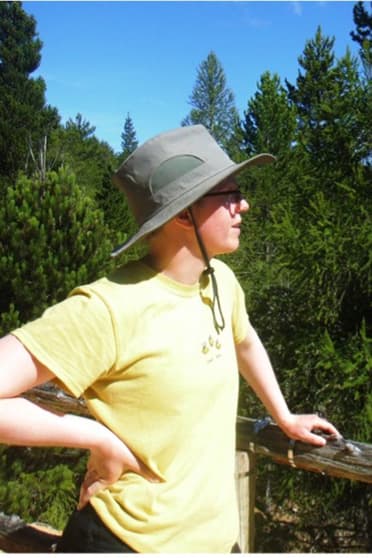
My main research interests are in evolutionary ecology, and conservation genetics. I think the ability to use the past to inform present management is both a very interesting and an incredibly important tool.
My MSc project is looking at how the extinct Chatham Island Falcon is related to the modern kārearea. This will be done using several methods including ancient DNA, bone morphometrics, and ecological niche modelling. Through this, I also hope to discover information about the phylogeography of modern kārearea.
Course: Master of Science (MSc)
Supervisor: Nic Rawlence (Zoology)
Email barmo236@student.otago.ac.nz
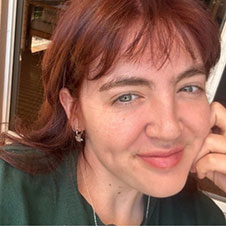 Charlie Bleby
My interests are in the uses of mathematical modelling, particularly in the context of ecosystem networks and interactions, and how different applications of maths can be used to inform on relationships in networks. My project aims to contribute to research on the ancient Lake Manuherekia networks 12–15 million years ago through the fossil record, trophic cascades and modelling phylogenetic relationships within food webs.
Course: Master of Science (MSc)
Supervisor: Ross Thompson and Nic Rawlence (Zoology)
Email blech652@student.otago.ac.nz
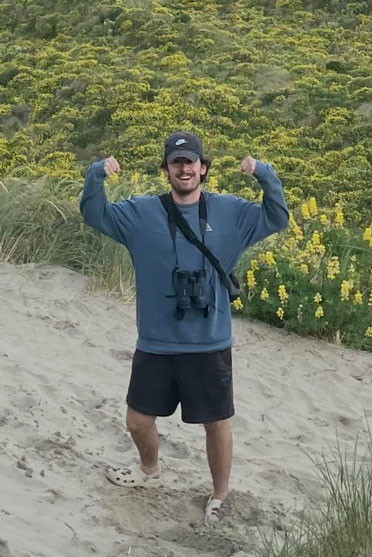 Ben Carter
I have strong interests in avian behaviour, conservation, macroecology, physiology, and community ecology. My project will use stable isotope analysis of Yellow-eyed Penguins (Megadyptes antipodes) from extant, deceased, and museum specimens. The goal is to compare the trophic levels at which Hoiho feed across mainland and sub-Antarctic sites throughout recent history. This will be done in collaboration with DOC to examine potential exploitation of mainland fishing sites, which may have forced Hoiho to feed at lower trophic levels. I'm hoping that this research can help push for marine focused management, alongside the current land-based focus.
Course: Master of Science (MSc)
Supervisor: Bruce Robertson, Mel Young, Yolanda van Heezik (Zoology)
Email carbe636@student.otago.ac.nz
Thomas Chapple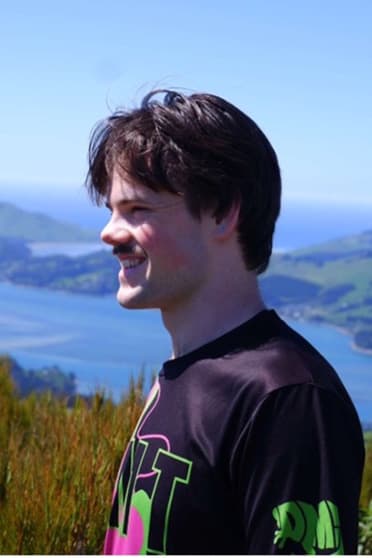
My research involves looking at the factors associated with success in community restoration efforts, particularly from a vegetation perspective. There’s a fantastic variety of community groups involved with all sorts of restoration and conservation work around Aotearoa. As a whole, these groups play a major role in the management of our environment.
I am particularly interested in how groups define success for themselves, and how their practices and/or the environmental conditions they work within influence this “success”.
Course: Master of Science (MSc)
Supervisor: Janice Lorde (Botany)
Email chath381@student.otago.ac.nz
 Anna Christensen
I'm interested in all things freshwater fish, particularly anything to do with tuna. At the moment I'm working on the elver trap and transfer program, so am also interested in fish barrier mitigation. There is some indication that elvers may be attracted to warmer water, based on the trap and transfer program in the Waitaki River. This project therefore aims to see if this is the case, such that the trap and transfer program can be improved in the future.
Course: Bachelor of Science with Honours (BSc(Hons))
Supervisor: Gerry Closs (Zoology)
Email chran649@student.otago.ac.nz
 Adair Clark
My MSc research is in phytoplankton and how they may respond to future environmental changes including marine heatwaves and proposed deliberate attempts to increase ocean pH (Ocean Alkalinity Enhancement). The research includes elements of marine science, chemistry, and botany.
I am interested in the underlying systems that control and connect the living world, and in the ways we have to work with them to combat modern challenges, which is why I study Ecology.
Course: Master of Science (MSc)
Supervisor: Linn Hoffman (Botany))
Email claad298@student.otago.ac.nz
 Victoria Clark
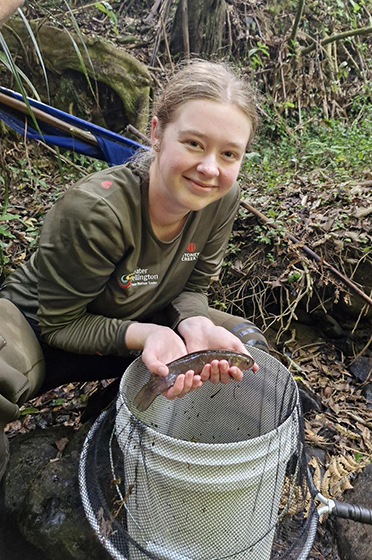
My interests include anything to do with freshwater ecology, freshwater fish, and community ecology. I really enjoy learning about species interactions in a wide range of environments, and what might be driving these interactions. My MSc research project investigates the trophic basis of salmonid fisheries in alpine lakes in the South Island of New Zealand.
Course: Master of Science (MSc)
Supervisor: Ross Thompson
 Ella Court
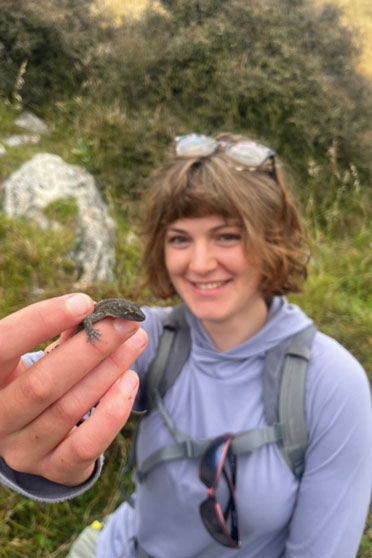
My research interests are in conservation and herpetology. I am particularly interested in research that can improve the management and conservation of Aotearoa New Zealand’s endemic species. I also love being outdoors and exploring new places through research and fieldwork. My MSc research aims to investigate the impact of wildfire on lizard condition and age structure, to understand lizard recovery post-wildfire better. I also intend to look at the recovery of predatory mammals post fires and how this may affect lizard recovery.
Course: Master of Science (MSc)
Supervisor: Jo Monks (Zoology)
Email davla144@student.otago.ac.nz
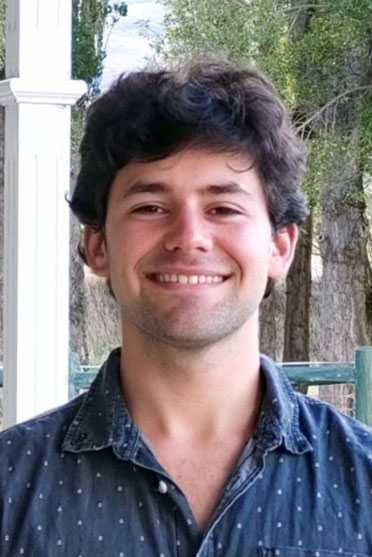 Curtis Dudley
I am interested in a range of topics across zoology, botany and ecology, ranging from entomology and herpetology to plant physiology and plant-insect interactions. I am particularly interested in ecosystem ecology and restoration, and I am currently engaged in my own restoration project on the family property. The aim of my project is to investigate the invertebrate communities on small-leaved shrubs in the Strath-Taieri basin.
Course: Postgraduate Diploma in Science (PGDipSci)
Supervisor: Janice Lord (Botany)
Email dudcu214@student.otago.ac.nz
 Taylor Duff
My research will focus on how a combination of native and exotic grasses as well as an exotic herb, affect the weight gain in larvae of the Cromwell Chaffer Beetle.
Being from Dunedin, I have a close connection to Central Otago, and I am grateful to be given the opportunity to aid in the conservation and hopefully translocation of this rare beetle.
Course: Postgraduate Diploma in Science (PGDipSci)
Supervisor: Jenny Jandt (Zoology), Barbara Barratt (AgResearch)
Email dufta134@student.otago.ac.nz
Louis Ferguson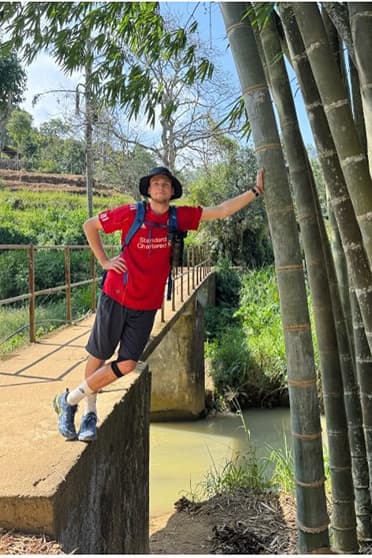
My main ecological interests involve the long-term developments of species, communities, and ecosystems, most often with a botanical focus. I have always been intrigued by the way natural processes work, and my studies at Otago have helped me understand these better.
My MSc research will investigate how leaf serrations may influence the drought tolerance of various native species, hopefully being able to link this to their ecological niches, and how they may fare with future changing climatic conditions.
Course: Master of Science (MSc)
Supervisor: Matt Larcombe (Botany)
Email ferlo314@student.otago.ac.nz
Alice Gilbert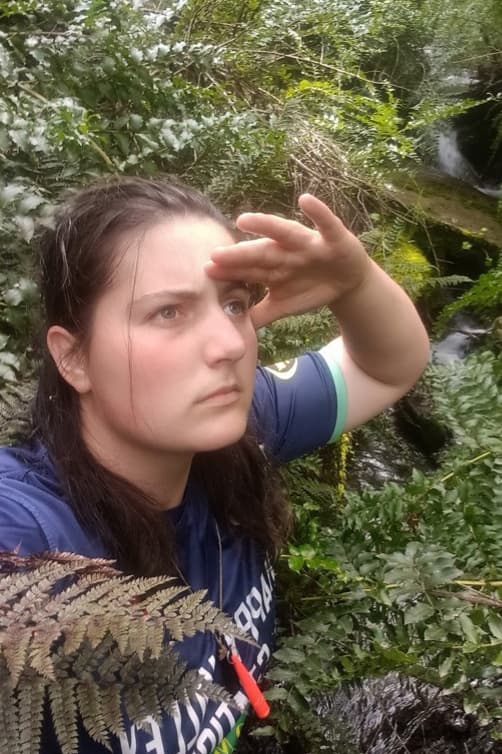
I am super keen on freshwater ecosystems, particularly those within the Central Lakes area, but I find pretty much anything to do with conservation or ecology in New Zealand very exciting to learn about or be involved with.
My MSc research focuses on the impacts and distribution of the invasive diatom Didymosphenia geminata (didymo) in streams across Fiordland national park. More specifically I will investigate how didymo mats affect stream invertebrate and fish communities by comparing streams with and without didymo mats.
Course: Master of Science (MSc)
Supervisor: Christoph Matthaei (Zoology)
Email gilal424@student.otago.ac.nz
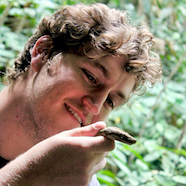 Liam Ireland
New Zealand's native frog species are cryptic, with little known about them. My masters looks at the specifically the movements and dispersal ability of Hochstetter's frog (Leiopelma hochstetteri) using new techniques of marking and tracking. I aim to study at the movements of frogs in relation to habitat structure and weather as well as developing ways of following their movements and identifying them in the field.
Course: Master of Science (MSc)
Supervisors: Christoph Matthaei (Zoology), Stephanie Godfrey (Zoology), Jennifer Germano (DOC)
Email ireli721@student.otago.ac.nz
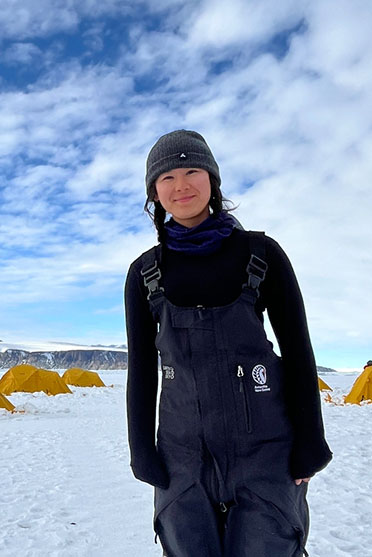 Anna Hiew
An increasing number of newly-emerged methane seeps have been found in Antarctica, but the processes that occur at these sites are poorly understood. I am interested in investigating how emerging methane seeps are influencing coastal benthic ecosystems in McMurdo Sound using stable isotope analysis, gut content analyses, and photogrammetry techniques. By addressing critical knowledge gaps surrounding seep-associated disturbance and ecological responses in the Antarctic coastal benthos, my project will advance our understanding of ecosystem structure, function, and resilience in the face of ongoing environmental change.
Course: Master of Science (MSc)
Supervisor: Sarah Seabrook (Marine Science)
Email hiean543@student.otago.ac.nz
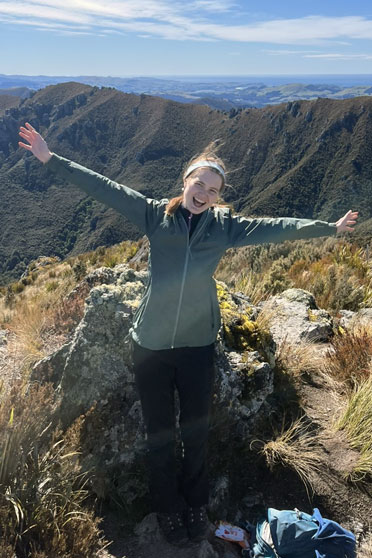 Lauren Jacquemard
I am super interested in the intersection of ecology and geology. Specifically, ecosystems where these elements are closely intertwined and can be important for conservation. My research is focused on the salt pans of Central Otago and their halophytic plant communities. This is a naturally uncommon ecosystem that is rapidly being lost in many places. I want to investigate geochemistry and other properties of salt pans to better understand underlying processes and ecology, with the goal to inform restoration.
Course: Master of Science (MSc)
Supervisor: Sophie Briggs (Geology)
Email jacla650@student.otago.ac.nz
 Hanna Johnson
My main interest is looking at the potential impacts of climate change on species so that these can be used to inform conservation and management. My master's project aims to look at the interactions between weather conditions and lizard behaviour to get an insight into how climate change may affect these populations. This will include camera monitoring of lizards and recording of associated environmental conditions.
Course: Master of Science (MSc)
Supervisor: Jo Monks (Zoology)
Email johha380@student.otago.ac.nz
 Lauren Johnson
My interests in ecology are both in terrestrial and freshwater systems, and are fairly broad but I particularly really enjoy learning about invasive species – how they spread and how they interact with the invaded ecosystem, and also thinking about how they might be managed. My masters project will look at the distribution of the invasive diatom Didymosphenia geminata in upland streams in Mahu Whenua (Central Otago), how this changes in both the long and short term, and what the effect is on invertebrate communities.
Course: Master of Science (MSc)
Supervisor: Christoph Matthaei (Zoology)
Email johla563@student.otago.ac.nz
 Devon Judd
Climate change has emphasised our need to meaningfully anticipate changes in how our ecosystems function. Moving from a social science background into ecology, my interest in nature-based solutions and climate adaptation has taken root in the form of how we might bolster ecosystem resilience and safeguard function in our riparian and floodplain systems.What plant traits promote survival and function in riparian and floodplain systems under expected changes to water flow? And how is this important for restoration practitioners? These are the questions that I seek to contribute to in my MSc in Ecology at Ōtākou Whakaihu Waka.
Course: Master of Science (MSc)
Supervisor: Matt Larcombe and Katja Schweikert (Botany)
Email judde894@student.otago.ac.nz
Isabelle Kettles
My research will focus on the influence of road disturbance and elevation on non-native plant invasions in Otago’s mountain ecosystems. Data collected will contribute to international databases: Mountain Invasion Research Network (MIREN), the Teabag Index and SoilTempProject. This study was created in collaboration with the Otago Regional Council with the aim to establish long-term research sites.
I am super interested in many aspects of plant ecology and botany. Anthropogenic effects on natural systems, specifically invasive species is an important area of research and always of interest to me. This study will supply insight into plant species re-distributions under climate change, with long-term sampling providing critically important data.
Course: Bachelor of Science with Honours (BSc (Hons))
Supervisor: Matt Larcombe (Botany)
Email ketis773@student.otago.ac.nz
 Jasmine Lane
My MSc in Ecology will focus on distribution and population structure of giant kōkopu within the Otago and Southland area. I will also factor in where these populations tend to reproduce, either freshwater (non-diadromous) or saltwater (diadromous).
My aim is to get a better understanding of population dynamics, and to assess where recruitment of new fish into these populations is limited. I hope to contribute to the management and conservation of native fish populations through my research.
Course: Master of Science (MSc)
Supervisors: Gerry Closs (Zoology)
Email lanja724@student.otago.ac.nz
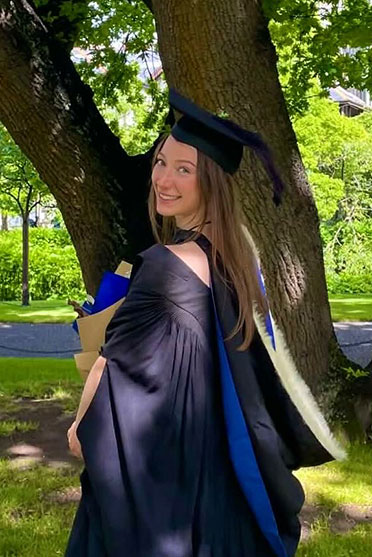 Akira Longshaw-Baxter
My interests are in ecology of systems (particularly marine) and gaining substantial bases of data for best management of fisheries, and preservation of essential marine community groups. I am also interested in trophic cascades, and how to manage them in a conservation, species-management setting. In my postgraduate work, I am looking into an ageing technique for Rock Lobsters (Jasus edwardsii) using growth bands on gastric ossicles as we do for that of otoliths of fish and the rings in a tree – by counting them and seeing if their formation aligns with the number of years they have lived.
Course: Postgraduate Diploma in Science (PGDipSci)
Supervisor: Gaya Gnanalingam (Marine Science)
Email lonak485@student.otago.ac.nz
Alexandra Rivera Luzunaris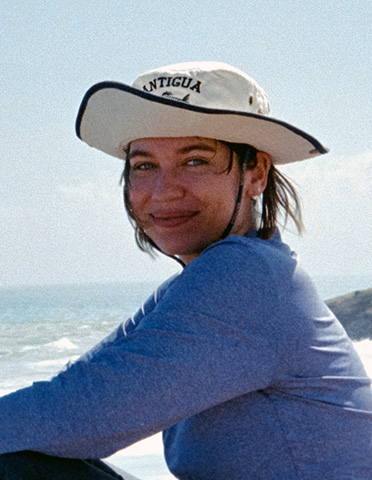
Ever since I was young, I have had an interest in understanding our natural resources and the different relationships that occur in them.
During the recent past, I had the opportunity of working with tropical herpetofauna, which launched my desire to pursue graduate studies.
Currently, my research focuses on alpine populations of the introduced southern brown tree frogs (Rawlinsonia ewingii), mainly looking at their distribution throughout South Westland and how their calling activity is affected by environmental and seasonal factors.
Course: Master of Science (MSc)
Supervisor: Jo Monks (Zoology)
Email rival913@student.otago.ac.nz
Ashley McMillan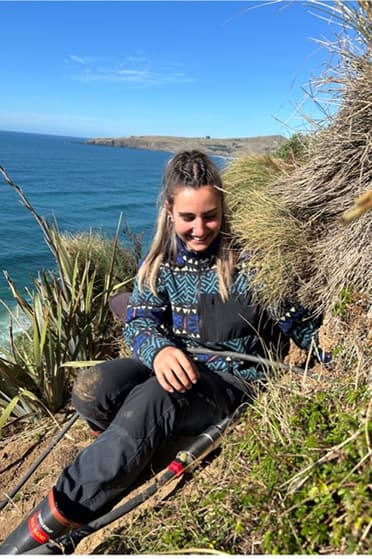
My ecological interests are wide but primarily marine based, ranging from sea birds, cetaceans, pinnipeds and now macroalgae. Currently the genus Durvillaea has captured my attention especially in warming climate contexts. Durvillaea species are an important part of the intertidal zone in the southern hemisphere, providing habitat, food and protection for a multitude of marine invertebrates and juvenile fish.
My research will investigate the effect of temperature on Durvillaea spp. reproduction and distribution around Te Waipounamu. This has potentially important implications for how we understand Durvillaea presence and persistence on the coasts of Te Waipounamu. I look forward to learning as much as I can and hopefully generating some pertinent findings.
Course: Master of Science (MSc)
Supervisor: Katja Schweikert (Botany)
Email mcmas237@student.otago.ac.nz
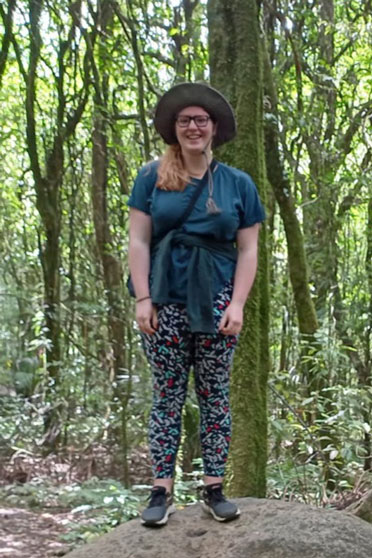 Harriet Hartley Pollard
My main area of interest within ecology is ornithology and in my free time I enjoy birdwatching and photography. For my project I will be investigating if the serial residency hypothesis applies to South Island Pied Oystercatchers when they migrate. To do this I will be looking at how differences in natal habitat result in differences in chick survival and growth and how this influences dispersal and first migration. This research will help to understand the migratory connectivity and population dynamics of South Island Pied Oystercatchers.
Course: Master of Science (MSc)
Supervisor: Bruce Robertson (Zoology) and Anne Schlesselmann (Bioeconomy Institute)
Email harha882@student.otago.ac.nz
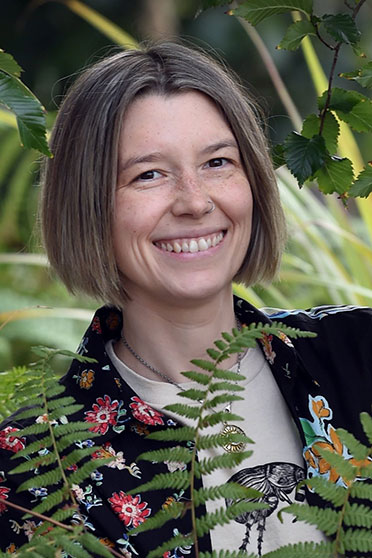 Jacqueline Theis
My research explores how cities can better support biodiversity and improve urban living. As part of my PhD, I’m developing the New Zealand Biodiversity Factor, a suite of tools for assessing the biodiversity value of urban developments. I further research invertebrate colonisation in urban green installations to inform urban planning and conservation strategies.
Course: Doctor of Philosophy (PhD)
Supervisors: Yolanda van Heezik (Zoology), Phil Seddon (Zoology), Barbara Barratt (AgResearch)
Email theja822@student.otago.ac.nz
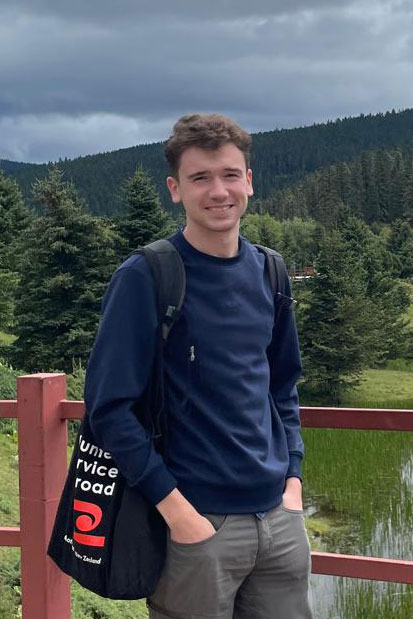 Alex Teulon
I’m particularly interested in how climate change is likely to impact New Zealand native species, and how species distributions are likely to shift as a result of warming temperatures. My research will focus on the re-settlement of southern bull kelp (Durvillaea antarctica) at sites where mass kelp die-off has recently occurred. I’ll be using genomic analysis to determine where newly established kelp at these sites have originated, which gives insight into how the species’ population genetic structure may change in response to climate change.
Course: Bachelor of Science with Honours (BSc(Hons))
Supervisors: Crid Fraser (Marine Science)
Email teual101@student.otago.ac.nz
Maddy Whitaker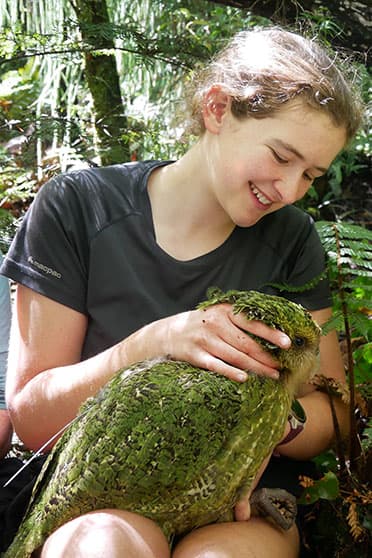
Right since I was a child, I have been fascinated by wildlife around me and have had a strong drive to protect it. I've had the privilege of being able to work on a number of offshore southern islands assisting with predator control, and to work hands on with a number of New Zealand bird species, including kākāpō, kea, rock wren, hoiho and takahe.
For my MSc, I am using GPS telemetry to map the space use of breeding female kākāpō and their offspring. This project will help us to further understand the habitat requirements of breeding females, and how this changes between nesting, chick rearing and post fledging periods, as well as any key differences between supplementary fed females and non supplementary fed females. I look forward to this unique opportunity to carry out this study part time, alongside my full time role of a kākāpō ranger.
Course: Master of Science (MSc)
Supervisor: Jo Monks (Zoology)
Email whima703@student.otago.ac.nz
Olive Verkerk
I am investigating and evaluating the effectiveness of the 'leaky fence' which is a type of predator controlled fence for protecting lizards. The research takes part at Macrae's mine in Middlemarch, Otago and is under management by Oceania golds environmental team. Three main lizard species have been translocated to conserve their population and therefore have been moved to protected areas (pens). The project involves both lizard and mammal pest monitoring and focuses on three lizard species: McCanns skink, southern grass skink and the kōrero gecko.
Course: Postgraduate Diploma in Science (PGDipSci)
Supervisor: Jo Monks
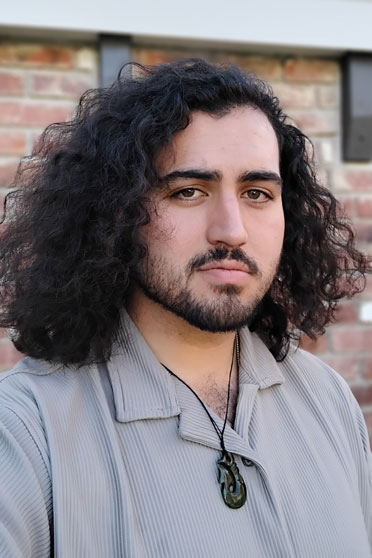 Jack Winiana
Aquatic environments have always been an interest and passion of mine, particularly those deep and unknown places such as the deep ocean, and Aotearoa's deep lakes. Through undergraduate my experience in both freshwater and marine environments have further driven me to inquire about and care for Aotearoa's unique aquatic environments, with particular interest in furthering research within unique, understudied environments, and determining how we can protect these precious ecosystems. My Master's project aims to investigate potential links between our rivers, and how we treat them, and the deep, understudied alpine lakes of Te Waipounamu like Lake Wānaka and Lake Hāwea.
Course: Master of Science (MSc)
Supervisor: Ross Thompson (Zoology)
Email winja102@student.otago.ac.nz
Completed postgraduate students
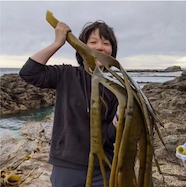 Pluto Liu
I studied the biogeography of Antarctic terrestrial species using population genetic/genomic methods and GIS spatial analysis, in order to infer the long-term distribution, survival and evolution of those species. I looked at their distribution patterns across Antarctica and the relationship with environmental factors, especially temperature and ice cover (<0.5 per cent of Antarctica is free of ice, but those species have survived millions of years!).
Course: Bachelor of Science with Honours ( BSc (Hons))
Supervisors: Ceridwen Fraser (Marine Science), Fraser Morgan (Manaaki Whenua – Landcare Research)
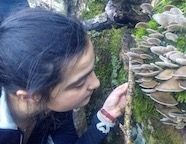 Shar Mathias
I am fascinated by ecosystem-wide interactions and their relevance to conservation, and love learning about intricate connections between species. I particularly enjoy big data and using R to analyse datasets.
My research aimed to get a better picture of the underlying factors driving beech tree (Nothofagus spp.) distributions in New Zealand and how climate change will affect this. Forests and alpine regions are some of my favourite ecosystems.
Course: Bachelor of Science with Honours ( BSc (Hons))
Supervisors: Matt Larcombe (Botany), Kath Dickinson (Botany)
Jack Mathieson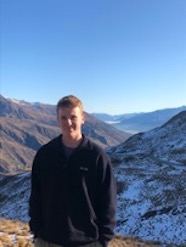
My interests growing up included fishing, swimming, tramping and anything outdoors. This lead me to studying Ecology at the University of Otago. I worked with an aquaculture company called Keewai that has aquaculture ponds of Paranephrops zealandicus (freshwater crayfish) among the unproductive riparian margins of forestry blocks.
This led me to a masters project interested in finding out why some ponds are extremely productive compared to other similar ponds and how we can improve this to boost breeding, growth and survival of not just an ecologically important species but also an important mahika kai species.
Course: Master of Science (MSc)
Supervisors: Gerry Closs (Zoology)
Amirah Norhayati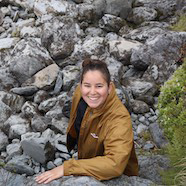
My masters looked at microplastics in New Zealand lakes. I conducted a mesocosm experiment and looked at whether microplastics are transferred through lake food webs and if trophic levels are directly or indirectly affected by microplastics. As well as this, I looked at fish behaviour in response to microplastic exposure.
Course: Master of Science (MSc)
Supervisors: Travis Ingram (Zoology), Christoph Matthaei (Zoology)
Myrene Otis 
I researched the movement and behaviour of two colonies of Tawaki/Fiordland Crested Penguin (Eudyptes pachyrhynchus) breeding in Milford Sound.
This project investigated the foraging ecology of Tawaki breeding in a fiord ecosystem and assess the significance of behavioural states and environmental variables in determining their foraging patterns.
Course: Master of Science (MSc)
Supervisors: Yolanda van Heezik (Zoology), Phil Seddon (Zoology), Thomas Mattern