
In dementia studies, the spotlight often falls on the person living with the condition. But one University of Otago academic has redirected her research lens – improving support for caregivers.
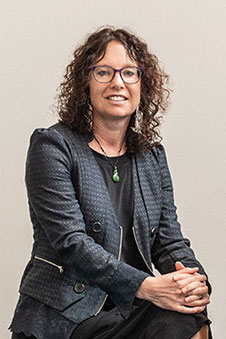
Professor Kirsten Robertson
Dementia care might seem unlikely territory for someone in the Department of Marketing. But, having previously courted the Division of Sciences and the Faculty of Medicine before moving to Commerce, Professor Kirsten Robertson’s academic style is resolutely hybrid.
“I’ve always worked at the intersection of psychology, health and wellbeing,” Kirsten (Kāi Tahu) says.
“My background is varied. I completed a PhD in Psychology, taught as an Assistant Lecturer in Psychology, then moved into Psychological Medicine before joining Marketing. But the common thread has always been an interest in wellbeing.”
There was happenstance at play too. Dementia pretty much landed unsolicited on Kirsten’s doorstep – both professionally and personally.
When Alzheimers Otago visited the University’s Department of Marketing in 2018 to seek help with their communications, it found two willing souls (and, subsequently, board members) in Kirsten and her colleague Professor Maree Thyne.
“Alongside this professional pathway, I’ve also had a personal journey as a caregiver for family members with dementia. It’s rewarding and deeply meaningful, but also hard, and at times lonely. You can feel grief for someone who is still physically present but slowly slipping away. It gave me a visceral sense of the unique pressures caregivers carry.”
Keen to help relieve some of those unique pressures, Kirsten has spent many years researching the gaps between dementia care and community responses. Interviewing a wide range of caregivers, she has built up a detailed picture of the practical intensity of dementia care, the anticipatory grief of watching the disease progress, and the sense of guilt about ‘not doing enough’.
Many respondents indicated that help-seeking was often inhibited by privacy, pride, embarrassment and a fear that others would not understand. There was also limited awareness of available services, a sense that supports were insufficiently tailored and a need for more education.
"In short, interventions must be relational, ongoing, and delivered in ways that feel safe and respectful, or they risk leaving loneliness untouched.” – Professor Kirsten Robertson
Feedback also identified measures that did help: empathetic private support that normalises feelings; peer groups that offer safety and solidarity; proactive regular contact; and clear information, education and referrals.
Another study showed that while caregivers were not necessarily more socially isolated than others, they were significantly lonelier.
“This underscored a wider community context that is not yet dementia-friendly, where stigma and subtle distancing contribute to caregivers’ sense of being alone. In short, interventions must be relational, ongoing, and delivered in ways that feel safe and respectful, or they risk leaving loneliness untouched.”
The fruits of Kirsten’s research have already had tangible community impact.
“I’m proud of our partnership with Alzheimers Otago. By bringing in volunteer Marketing students, we’ve helped the organisation grow stronger, attract support, and adapt its services to better reflect what clients actually want and need.”
She is not finished with this research strand yet though. Kirsten is currently working alongside other Māori researchers, kaumātua and whānau Māori on a project funded by the Health Research Council that seeks to understand whānau Māori experiences of ‘mate wareware’ (dementia).
“Rather than a one-size-fits-all, biomedical approach that focuses on the individual, this kaupapa places whānau, tikanga and relationships at the heart of the research. It’s whānau-led, not service-led.”
Recent statistics suggest that 170,000 New Zealanders will be living with dementia by 2050. Kirsten hopes there will be enough systemic change by then to better meet the needs and wants of those impacted by the disease.
With research like hers informing dementia-friendly community initiatives, the caregiver’s path should be a whole lot less lonely.
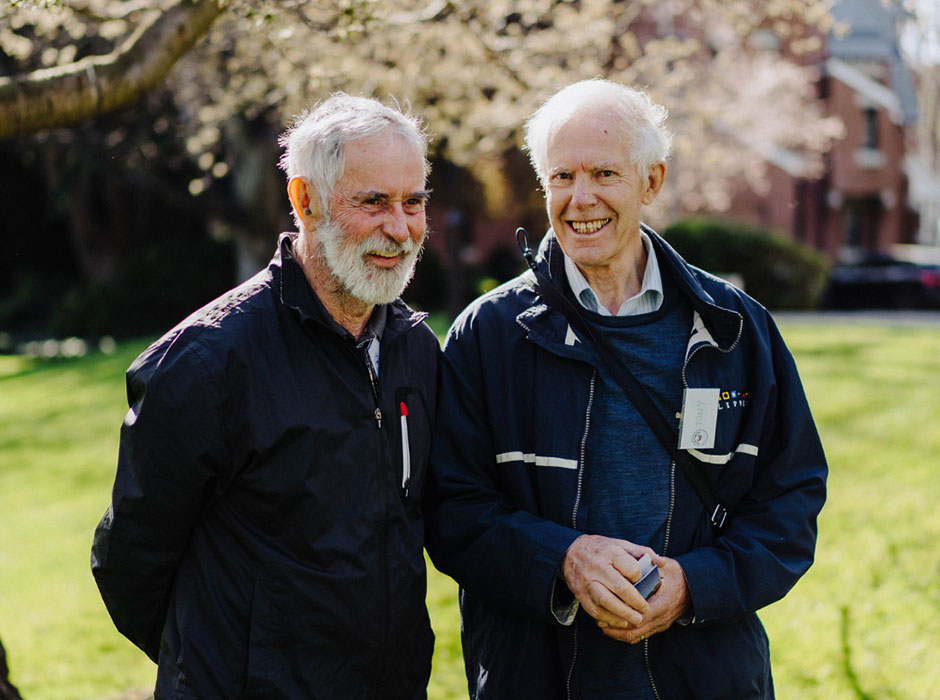
Two participants with dementia diagnoses take part in the Alzheimers Otago intergenerational programme ‘Minds Together’, a collaboration with the University of Otago’s Social Impact Studio.
A direct impact on Alzheimers Otago
Professor Kirsten Robertson’s research has had a direct impact on the work of Alzheimers Otago.
Following her findings, the organisation restructured its services to place greater emphasis on supporting the care partners of people living with dementia, says manager Antoinette McLean.
“We added monthly carer support groups to all areas of our region – in particular, rural areas like Oamaru, Balclutha, Alexandra and Wanaka.”
Alzheimers Otago also launched Cognitive Stimulation Therapy and a day club for people with dementia.
“This provided socialisation and cognitive stimulation for the person with dementia, as well as respite time for care partners and a network of other caregivers to connect with.”
In some areas, the organisation has introduced ‘dementia clubs’ – fortnightly social gatherings for people with dementia and their care partners – and trialled a support group for adult children caring for a parent with dementia in Queenstown.
“We also added this line to the ‘service pillars’ section of our strategic plan.
"We will be offering tailored support to meet the identified needs of the carers, ensuring we are inclusive of cultural and regional needs."
– Kōrero by Claire Finlayson
This story first appeared in He Kitenga 2025 – Impacts. He Kitenga is the University of Otago’s flagship research publication, which showcases the University’s cutting-edge research and explores how it is making a difference to people’s lives.