
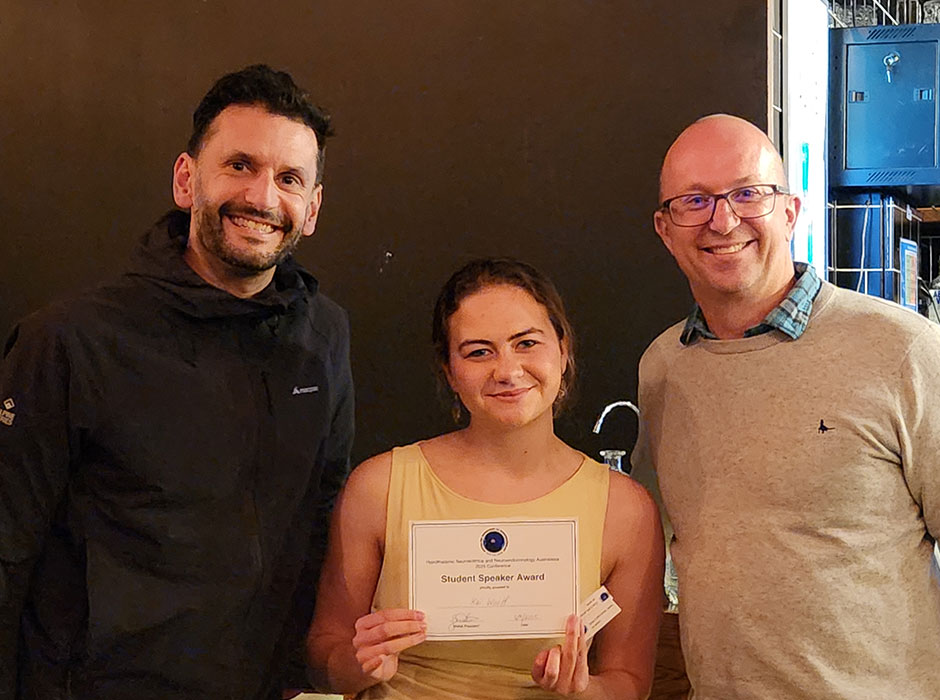
Dr Karl Iremonger, Kai Woolf and Hypothalamic Neuroscience and Neuroendocrinology Australasia President Professor Zane Andrews with her awards received at the recent Medical Sciences Congress in Christchurch.
Centre for Neuroendocrinology (CNE) students have again made their mark, returning from the 2025 Medical Sciences Congress and the Hypothalamic Neuroscience and Neuroendocrinology Australasia (HNNA) conference in Christchurch with four prestigious awards.
“Clearly, I’m not the only one impressed as they consistently bring home a stack of awards and prizes.” -CNE Lab Manager Dr Michel Herde
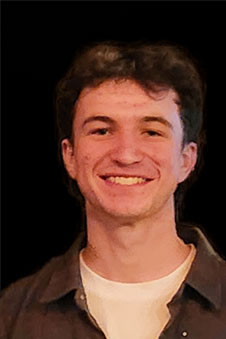
Sam Meikle
CNE Lab Manager Dr Michel Herde says each time he attends a conference with the Centre’s students he’s blown away by the quality of their work and presentation skills.
“Clearly, I’m not the only one impressed as they consistently bring home a stack of awards and prizes.”
Kai Woolf, a former 400-level student from Dr Joon Kim’s group, won two student speaker prizes, one at the HNNA conference and the other from the New Zealand Society of Endocrinology (NZSE) at the Medical Sciences Congress.
Her research explores a new chronic stress mouse model that activates brain centres involved in the stress response — an approach that could help scientists better understand how long-term stress affects mental and physical health.
Sam Meikle, an Honours student working with Professor Rebecca Campbell, received the HNNA Datablitz Award for his project on microglial remodelling of brain circuits linked to polycystic ovary syndrome (PCOS).
PCOS is one of the most common causes of infertility in women, and Sam’s work may contribute to new ways of understanding and treating this condition.
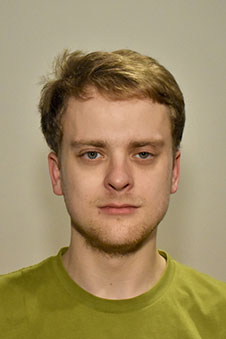
Daniel Lyth
Daniel Lyth, from Dr Megan Leask’s group, won the Mini-Oral Prize from the Physiological Society of New Zealand (PSNZ).
Daniel’s PhD research focuses on identifying blood markers that reflect the number of insulin-producing cells in the pancreas; a step toward improving how we monitor and manage diabetes.
More about the Centre
Formed in 2003, the Otago CNE is made up of 15 collaborative research groups, making it the largest cluster of neuroendocrinologists in the Southern Hemisphere.
Neuroendocrinology is the study of how the brain controls hormone levels in the blood and how those hormones influence brain function.
Research at Otago is especially interested in how the brain controls reproduction, parental behaviours, body weight and metabolism, stress, and the biology of ageing.
The Centre’s researchers focus on investigating fundamental mechanisms, looking at what happens if these go wrong and how this could be treated. Among these studied diseases and disorders are, for example, PCOS, diabetes and obesity, menopausal symptoms and postpartum mood disorders.
Respected globally, the Centre is renowned for its highly collaborative work which consistently generates high impact findings published in international journals. It won the Otago Research Group Award in 2023 and recently had its official University of Otago Research Centre status renewed for the next four years.
- Kōrero by Claire Grant, Communications Advisor, Faculty of Biomedical Sciences