
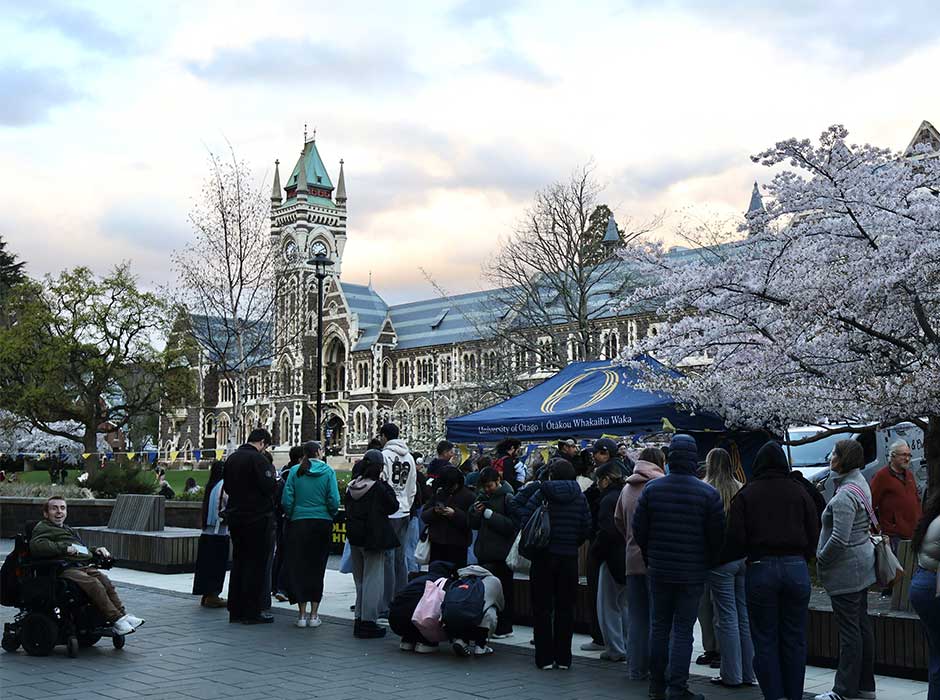
Earlier this month the University Staff Club hosted a pop-up for local mobile diner Patti’s & Cream, students and the wider community to hang out after work and enjoy some delicious kai on campus.
Two months into her new role as the University of Otago’s Campus Activation Manager, Jes Triscott says she is excited about building stronger connections between the teams and people who involved in creating a vibrant and engaging campus experience.
An Engagement Team Lead in the Sustainability Office, Jes has been seconded for 12 months as Otago’s very first Campus Activation Manager.
Jes says she was attracted to the secondment by the kaupapa of the role.

Jes Triscott
“What excited me was the opportunity to build connections between people and projects and help create experiences that make our campuses more vibrant, engaging, and connected.”
Jes describes campus activation as “the intentional curation of experiences on campus that connect people, create visibility, support activity, and encourage engagement.”
“Campus activation is about transforming our campus from a place people simply pass through into a place where they participate, connect, and feel a sense of belonging,” she says.
Otago’s Head of Campus and Collegiate Life James Lindsay says the role emerged from a review of Dunedin’s campus activation, which identified opportunities to make better use of our campus spaces and create more connected experiences.
“It recognised a need for a coordinated approach to ensure our campus is welcoming, accessible, vibrant and responsive to the needs of students, staff, and the wider community,” James says.
“Campus activation directly supports Pae Tata, the University’s strategic plan to 2030. The Places Enabler Plan identifies campus activation as a key priority, recognising the importance of creating welcoming, connected and engaging campus environments that support wellbeing, belonging and the overall University experience .”
This is increasingly important, James says, as students choose universities for the experience as much as the qualification.
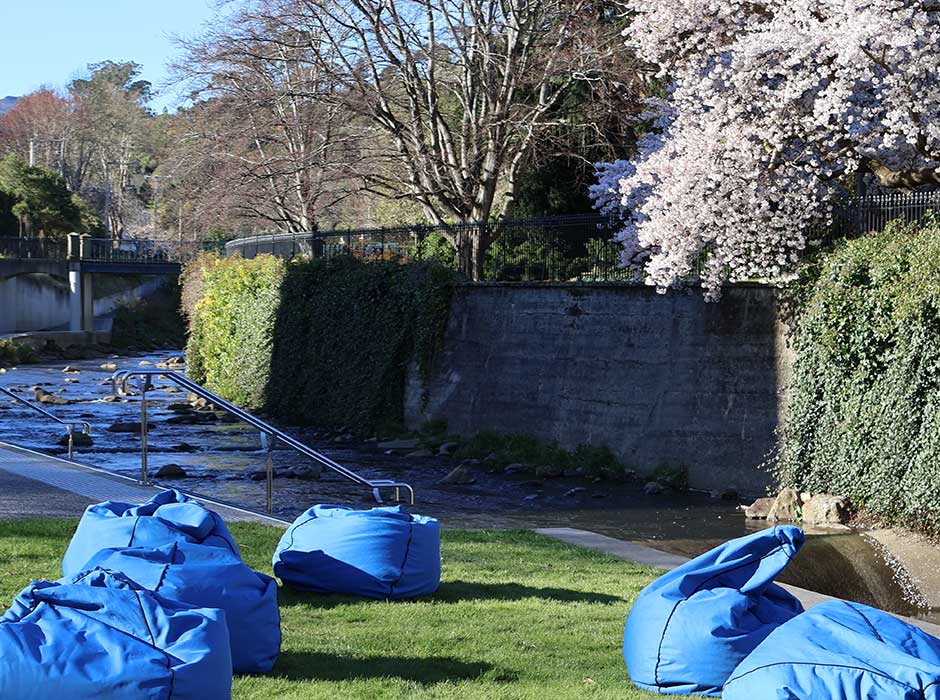
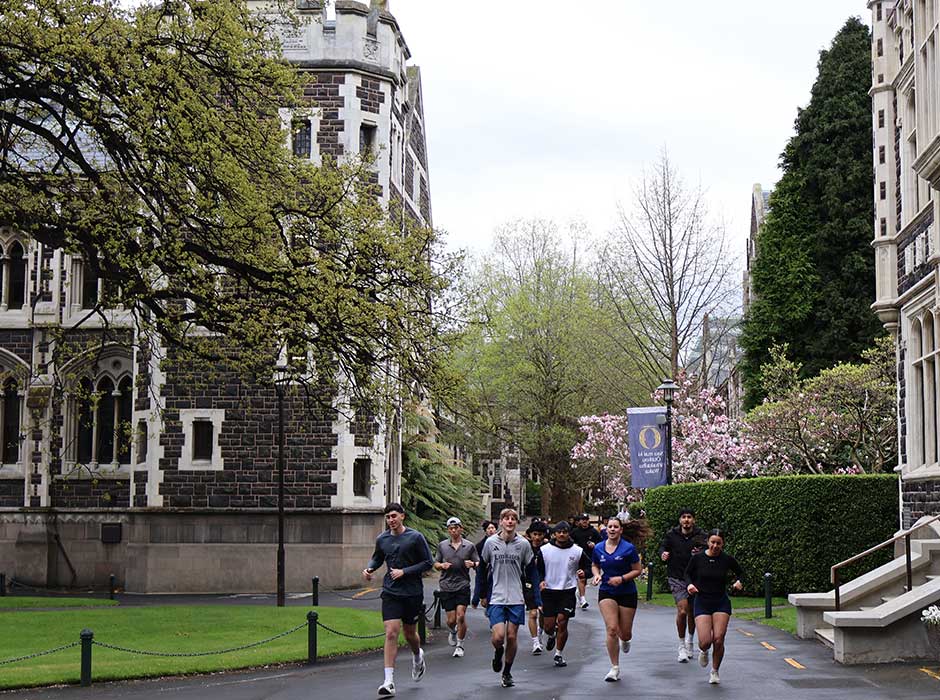
It’s not just for our students. Campus activation is about creating space and experiences for our staff and the wider community too, he says.
“The University is an important part of Dunedin's social and cultural fabric. There are exciting opportunities to create more shared experiences, partnerships, and programmes that invite the community onto campus and strengthen the connection between the University and the city.”
Jes says the opportunities are endless.
“Dunedin is a vibrant city that hosts incredible initiatives such as Fringe Festival, Wild Dunedin, and newer events like Foundations Festival. Finding ways for our campus to support and connect with this work has huge potential.”
Realising that potential requires connecting, learning and listening to better understand the foundations of campus activation at Otago, she says.
“So many people across the University already contribute to important aspects of campus life. The exciting work lies in creating stronger connections between those people and the initiatives they're leading.”
Jes says that ultimately the success of the role will be measured by the collaboration it inspires, bringing together the creativity, expertise, and passion of the many people helping shape a vibrant campus.
The more staff and students who get involved, the more opportunities there are to explore new experiences, build partnerships and pursue creative ideas together.
“I encourage people to get amongst it. This mahi will involve delivering a series of pilot initiatives to learn what resonates most with our communities. By participating, sharing feedback, collaborating, and bringing forward ideas, students and staff will play a critical role in shaping what campus activation becomes,” she says
Staff and students are encouraged to get involved by sharing their experiences and observations on campus via a short survey, or connect with Jes by reaching out to her directly at Jesikah.triscott@otago.ac.nz.
Sustainability at Otago
We connect student learning, operational practice and research to maximise the impact of our work.
View