
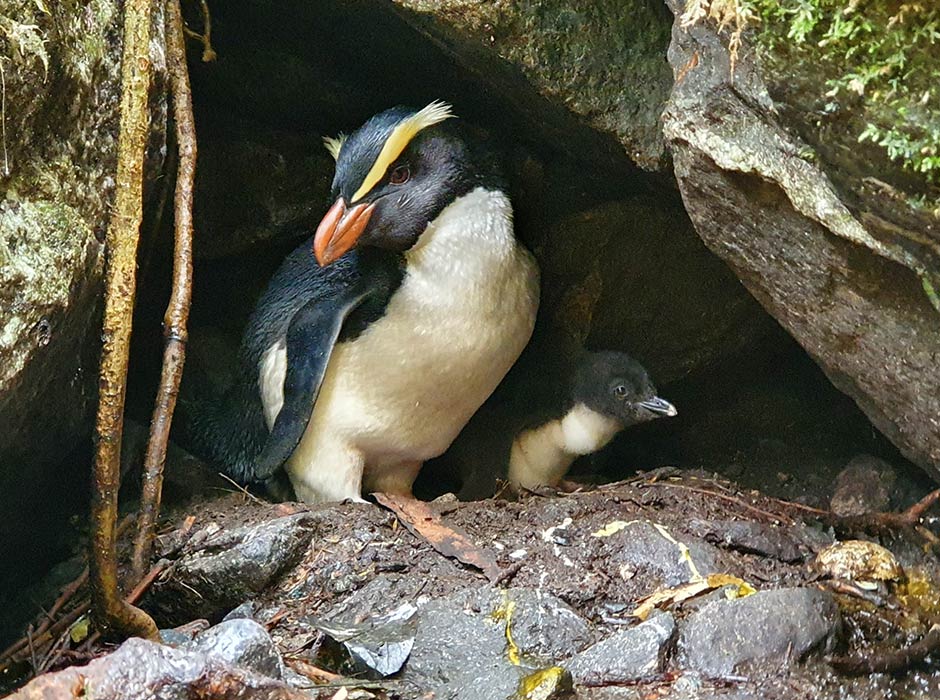
New research from the University of Otago - Ōtākou Whakaihu Waka, which investigated three species of Aotearoa New Zealand crested penguins, reveals Tawaki penguins, such as this dad and chick, are thriving. Photogrpah: Ursula Ellenberg
International researchers have taken an in-depth look at three Aotearoa New Zealand crested penguin species, revealing one is thriving while others face uncertain futures.

Dr Jeff White
Led by the Tawaki Project at the University of Otago – Ōtākou Whakaihu Waka, the study provides what is believed to be the most comprehensive look yet at the population genetics of three Aotearoa crested penguin species – tawaki/Fiordland penguins, erect-crested penguins, and Eastern rockhopper penguins.
Published in this week’s PLOS One, the findings reveal tawaki are flourishing as a single, healthy population but their subantarctic cousins face worrying declines and fragmented population structures.
Lead author Dr Jeff White, of Cornell University, who has collaborated with Otago throughout his studies, says the study underscores both good and bad news.
“It’s encouraging to see tawaki maintaining strong genetic health, which bodes well for their future if we continue to safeguard their marine habitats.
“But the situation for erect-crested and Eastern rockhopper penguins is far more concerning.
“Their genetic isolation and loss of diversity highlight just how urgent it is to understand and address their causes of their ongoing decline.”
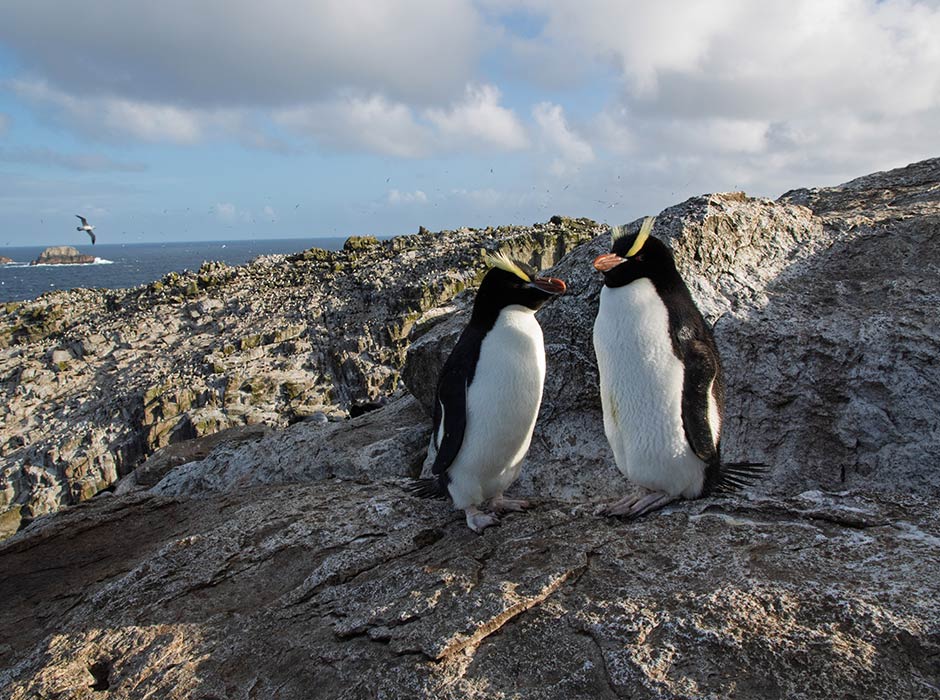
Erect-crested penguins are facing a tough future, with one of its two main populations shrinking. Photograph: Tawaki Project
Researchers used cutting-edge DNA sequencing to analyse thousands of genetic markers from penguin colonies across the South Island and the subantarctic Antipodes and Bounty Islands.
They found tawaki form a single, genetically diverse population with no signs of isolation between colonies – a reassuring result that aligns with recent surveys indicating stable or even increasing numbers.
This resilience is thought to stem from the species' ability to forage successfully across a wide range of marine environments, from shallow coastal waters around Rakiura/Stewart Island and the open ocean to the enclosed fjord systems of Fiordland.
In contrast, Eastern rockhopper penguins on the Antipodes Islands were found to have alarmingly low genetic diversity, consistent with decades of sharp population decline.
Erect-crested penguins, meanwhile, are split into two distinct populations: one on the Antipodes Islands, which is shrinking, and another on the Bounty Islands, which has remained more stable.
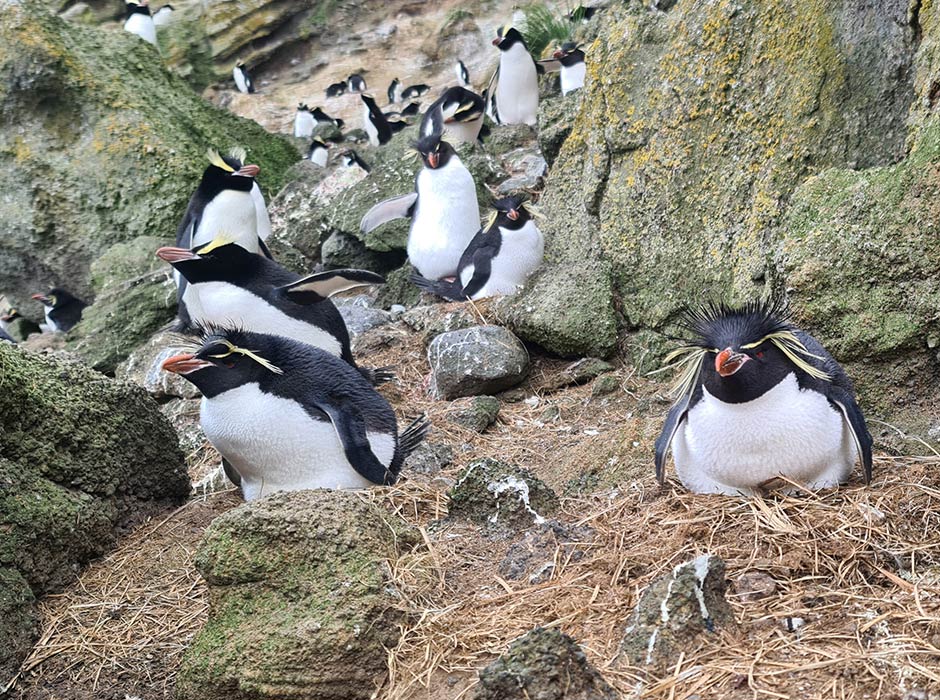
Eastern rockhopper penguins on the Antipodes Islands were found to have "alarmingly low genetic diversity". Photograph: Tawaki Project
Co-author and Tawaki Project co-leader Dr Thomas Mattern says these results are only possible thanks to long-term collaborations in the field.
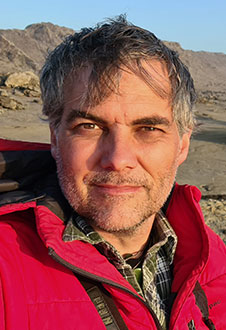
Dr Thomas Mattern
“These findings show why New Zealand's subantarctic penguins should not be managed as a single unit,” Dr Mattern says.
“The Bounty Islands population of erect-crested penguins is hanging on, while those on the Antipodes are heading towards collapse. We need to tailor conservation strategies to the unique realities of each species and island group.”
The study underscores the importance of New Zealand’s Fiordland region as a genetic stronghold for tawaki.
In contrast, the outlook for subantarctic penguins is more complex: while ongoing climate change may soon render the Antipodes Islands unsuitable for rockhopper and erect-crested penguins, the Bounty Islands will then represent the last viable refuge for erect-crested penguins, Dr Mattern says.
“Protecting this population is critical, particularly as proposals to loosen fisheries regulations could expose the Bounty Islands to intensified industrial fishing pressure.”
About the Tawaki Project:
The Tawaki Project, a charitable organisation led by scientists based at the University of Otago, is dedicated to advancing the understanding and conservation of New Zealand’s crested penguins. This research was made possible through close collaboration with the Antarctic Research Trust and the Global Penguin Society, which together bring international expertise and support to the work in New Zealand's remote fjords and subantarctic islands. Fieldwork was carried out under permits issued by the Department of Conservation.
Are you interested in a career that makes a difference?
Would you like to know more about how to study wildlife management?
Read more about it