
Innovation, engagement and empathy are just some of the qualities attributed to this year’s University of Otago Teaching Excellence Award winners.
They are Associate Professor Carolina Loch, Senior Teaching Fellow Nicole Power, Pūkenga Matua Paia Taani and Associate Professor Esther Willing.
University of Otago’s Acting Deputy Vice-Chancellor Academic, Emeritus Professor James Maclaurin, says the awards are a way of honouring outstanding staff for their innovation, dedication, and student-centred teaching – qualities this year’s winners have in abundance.
“I would like to offer my warmest congratulations to Carolina, Nicole, Paia and Esther, who stood out for the excellence, engagement and empathy they bring to their teaching.
“They share a deep commitment to helping our tauira succeed academically and to thrive during their time at Ōtākou Whakaihu Waka.”
The winners
Associate Professor Carolina Loch, Excellence in Teaching
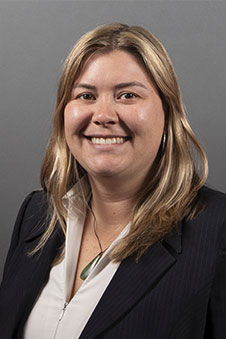
Associate Professor Carolina Loch
Associate Professor Carolina Loch, from the Faculty of Dentistry, teaches Oral Biology across the Bachelor of Dental Surgery (BDS) and Bachelor of Oral Health (BOH), and to a lesser extent in the Bachelor of Dental Technology (BDT) programme.
She was named one of this year’s winners for being a “gifted teacher who combines her passion for Oral Biology with enthusiasm, engagement, empathy for students' needs and wellbeing, and making learning fun and memorable”.
“I really enjoy seeing students get engaged and even excited about a subject they might have initially seen as dry or not very relevant to clinical practice,” Carolina says.
“Because I teach from second to fifth year, it’s especially rewarding to watch the students grow and develop over time.”
Carolina says it’s humbling to think her teaching has helped shape the education of more than 1500 oral health professionals over the past nine years.
“I see myself as a guide rather than just a lecturer, using a mix of teaching methods to help students connect Oral Biology to their own lives and future clinical work. At the core of my teaching is the belief that science isn’t just interesting – it really matters for society.
“I also lean heavily on storytelling and active participation to keep students involved and curious, and I make a conscious effort to create a friendly, supportive, and inclusive learning environment where students feel valued, seen, and comfortable making mistakes as part of learning.”
She believes one of the biggest and most lasting impacts of her teaching comes from a deliberate focus on hauora and student wellbeing.
“I make space for open conversations about mental health and work-life balance, recognising how important these are for supporting the success of our diverse student cohort.
“In some classes I use the last five minutes of each lecture for guided discussions on mental health and to share insights I wish I’d had as a student.”
Senior Teaching Fellow Nicole Power, Excellence in Teaching
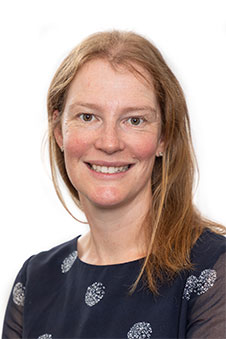
Senior Teaching Fellow Nicole Power
Senior Teaching Fellow Nicole Power teaches Biochemistry within the Health Sciences First Year programme and in the undergraduate Biochemistry major.
She was named one of this year’s winners “for inclusive, student-centred excellence in large-class Biochemistry teaching, combining clarity, care, and evidence-based design to foster belonging, engagement, and achievement”.
“Many first-year students arrive feeling intimidated by subjects like Biochemistry, so a big part of my role is helping them build confidence and develop effective ways of learning,” Nicole says.
“I especially value creating learning environments where students feel comfortable asking questions, making mistakes, and gradually building their understanding.
“Seeing students grow in confidence and begin to enjoy the subject is incredibly rewarding.”
Nicole’s teaching philosophy centres on “clarity, structure, and inclusion”.
“I try to make expectations and thinking processes explicit so that success does not depend on prior knowledge or familiarity with university systems.
“I also place a strong emphasis on helping students develop effective study strategies, particularly in large first-year courses where students are adjusting to a very different learning environment.”
As a neurodivergent academic, Nicole’s own experiences have shaped how she approaches teaching, she says.
“I’m very conscious of designing learning environments that reduce unnecessary barriers and support different ways of thinking and learning.
“Many of the practices that help neurodiverse learners – such as clear structure, predictable communication, and scaffolded learning resources – benefit the whole class.”
Nicole is increasingly interested in how universities can better support neurodivergent learners and students from a wide range of educational backgrounds.
“Small changes in course design can have a significant impact on student confidence, wellbeing, and success, and I’m excited to continue contributing to that work.”
Receiving this award is a real honour, but teaching is always a collaborative effort, she says.
“I’ve been fortunate to work with wonderful colleagues who share a strong commitment to student learning.”
Pūkenga Matua Paia Taani, Excellence in Teaching, Kaupapa Māori Category
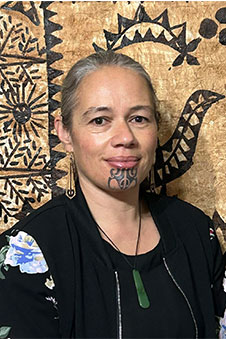
Pūkenga Matua Paia Taani
Pūkenga Matua Paia Taani (Te Whakatōhea, Ngāti Uenukukōpako, Ngāi Tūhoe, Ngāti Whare) is a kaiako in the Māori Studies programme at Te Tumu – School of Māori, Pacific, and Indigenous Studies.
She teaches 100 and 200-level te reo Māori papers, Te Kākano and Te Pihinga, and Te Mana o te Reo and Te Hiringa Taketake, which focus on te reo Māori in education and Māori pedagogies.
Paia was named one of this year’s winners for being a “caring, intentional and innovative kaiako who has a deep commitment to the personal and academic growth of tauira”.
“I am committed to supporting the revitalisation and reclamation of te reo Māori, tikanga Māori and mātauranga Māori, both personally and professionally,” she says.
Paia enjoys being on a learning journey with tauira, finding it “incredibly rewarding” to witness the growth of tauira in the classroom and beyond.
“Sharing my own experiences is an important part of this process, helping tauira recognise that they are not alone in their journeys. I was not raised with my heritage language and have an intimate understanding of the language and cultural trauma many Māori learners may bring with them.
“Students often tell me that hearing my story inspires and motivates them to persevere despite the challenges they face.”
Paia herself has been inspired by many people throughout her life, from the kaiako who taught her during her tertiary studies – some of whom she is now privileged to call colleagues – to the language champions at kura reo, wānanga and within her community.
The greatest support has come from her whānau.
“My Mum instilled in me commitment, perseverance, and a love for learning. My tamariki keep me grounded and remind me of my purpose. And my husband continues to inspire me in all that I do, including the incorporation of tākarokaro into my teaching philosophy and practice.”
Ehara taku toa i te toa takitahi, engari he toa takitini nō reira, nei a au e mihi maioha ana ki tōku whānau, ki ōku kaiako, ki ōku hoa mahi, otirā, ki ngā whakaihuwaka e tautoko mai ana kia whāia tonutia te iti kahurangi.
Associate Professor Esther Willing, Excellence in Teaching, Kaupapa Māori Category
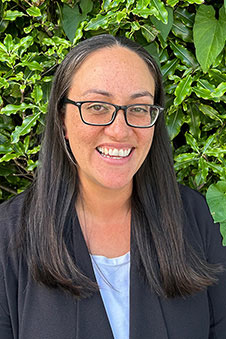
Associate Professor Esther Willing
Associate Professor Esther Willing (Ngāti Toa Rangatira, Ngāti Koata, Ngā Ruahine, Ngāi Tahu) teaches Hauora Māori within Medicine, Dentistry, Oral Health and the Bachelor of Health Sciences.
She was named one of this year’s winners for “creating safe learning spaces for tauira to understand and challenge the way in which colonisation has shaped health inequities to improve Māori health outcomes”.
“I do this by emphasising that we have all been affected by our history of colonisation, and by drawing from my own whānau experiences and histories as a person with a Māori mother and Pākehā father,” Esther says.
“I stress that we can discuss our challenging history together without carrying shame or guilt into our learning spaces and I support them to reflect on who they are, what worldviews have shaped them and how this reflective practice can help them to connect with their patients.”
Esther credits her whānau with encouraging her to go to University and to pursue academia.
“My Uncle Jock was my history teacher in high school and taught New Zealand history at a time when learning our own history was uncommon. He really made history exciting because he made it real for us, a class of young Māori students, learning about our own tupuna and iwi. I try to emulate this in my own teaching.
“My mum went back to university as a mature student while I was in high school and I saw how hard she worked, and tagged along with her to lectures in the school holidays.”
Esther also feels lucky to have had amazing teachers and colleagues, in particular Hauora Māori Administrator Tūī Kent, who “constantly encourages me to focus on the students we are teaching and supporting them on their development through manaakitanga”.
“Teaching so many of our health professionals is a real privilege as I can see the way they are changing health services for our society to be more culturally safe and to allow my own whānau to be seen and valued.”
– Kōrero by Internal Communications Adviser Laura Hewson