
Three University of Otago – Ōtākou Whakaihu Waka researchers have each received $1.16 million fellowships to support their research and scientific careers.
Dr Matthias Fellner, of the Department of Biochemistry; Dr John Kerr, of the Department of Public Health (Wellington); and Associate Professor Matthew McNeil, of the Department of Microbiology and Immunology, have been awarded Mana Tūānuku Research Leader Fellowships from the Royal Society Te Apārangi.
They are among 12 mid-career researchers from throughout Aotearoa New Zealand who will receive funding and support over four years.
The Fellowships are for mid-career researchers who have demonstrated excellent research since completing their PhDs. Each recipient will be supported to accelerate their research programme, consolidate and expand their leadership capability, boost their contribution to the sector, and enhance the impact of their work for Aotearoa.
Deputy Vice-Chancellor (Research and Innovation) Distinguished Professor Greg Cook says the Otago recipients are outstanding representatives of the impactful research undertaken across the University.
“I congratulate each of them on their achievement and acknowledge the work they have done establishing themselves as leaders in their respective fields.”
Chair of the Royal Society interview panel, Otago’s Professor Peter Dearden says: “Interviewing the shortlisted candidates for this year's Mana Tūānuku Research Leader Fellowships was a powerful reminder of the outstanding research talent we have in Aotearoa New Zealand.
“The Fellows chosen this year represent the next wave of research leaders who will help shape Aotearoa New Zealand’s future. Their contributions are set to create meaningful impact nationally and globally for years to come.”
The recipients:
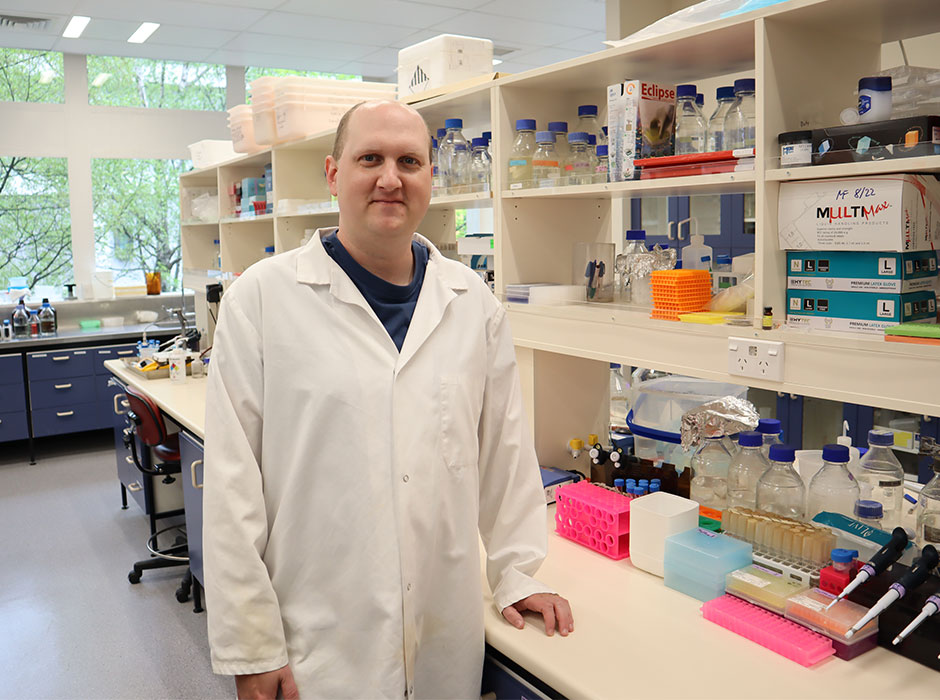
Dr Matthias Fellner will be tackling an antibiotic-resistant superbug.
Dr Matthias Fellner, Department of Biochemistry
Dr Fellner says the fellowship will provide a platform for him to establish himself as an international expert in the field of enzyme structure and function.
“It allows me to continue my highly productive research output, my research team expansion and career progression.
“Next to my own development, I look forward to bringing in new students, staff and collaborators to the field of structure-function characterisations of enzymes while expanding my engagement with industry, as well as Māori and Pacific communities.”
The fellowship will enable him to join a multidisciplinary global team which aims to develop an antibiotic for multi-drug resistant and hypervirulent strains of the pathogenic bacterium Klebsiella pneumoniae.
He says the research will be at the forefront of using synchrotron techniques for enzyme characterisations.
“Synchrotron facilities are large research complexes located across the globe that can be used to gain atomic information about disease related enzymes.
“Enzymes drive all of life and I will use a rapidly developing field of covalent binding molecules to target a subset of enzymes called serine hydrolases to develop new antibiotics that have the potential to overcome resistant mechanisms.”
To develop a new class of antibiotics to combat a drug-resistant superbug
Infections from antibiotic-resistant bacteria are a rising threat, rendering our current medicines ineffective and putting patients at great risk. The World Health Organization has classified Klebsiella pneumoniae as a critical priority pathogen for which new treatments are urgently needed. Dr Fellner has been awarded a fellowship to investigate a family of enzymes, called serine hydrolases, that are important for the survival of Klebsiella pneumoniae. This will require collaboration with an international team, to validate these enzymes as targets for inhibition, and then design new drugs that permanently disable them. The aim is to provide a pipeline of new antibiotic candidates designed to overcome resistance, treat dangerous infections, and save lives. The research supports better health outcomes for New Zealand by investing in capability to understand and address antibiotic resistance.
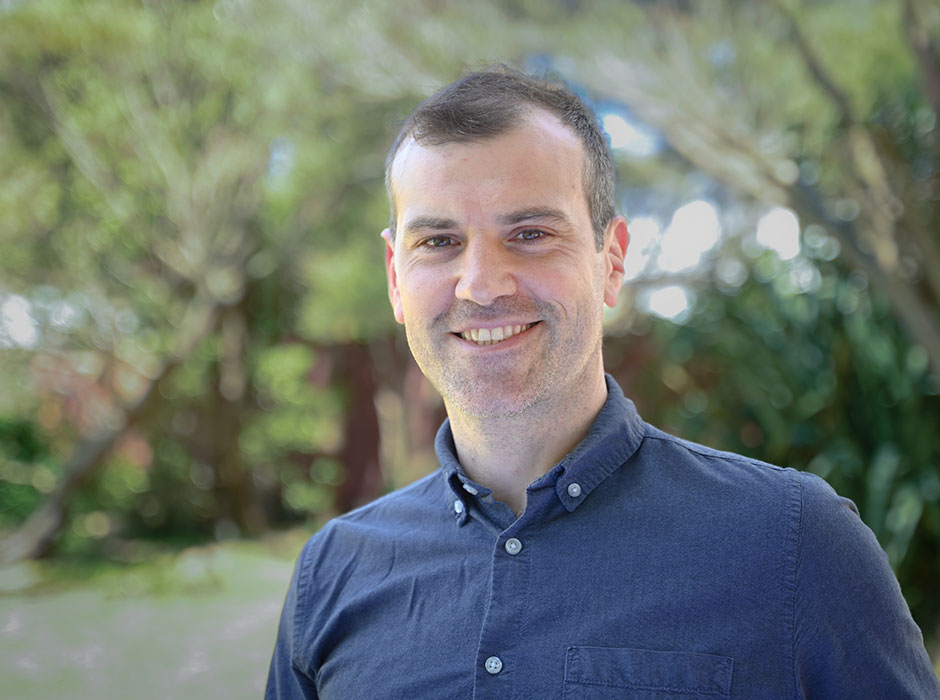
Dr John Kerr will investigate the prevalence and impacts of misleading health information.
Dr John Kerr, Department of Public Health (Wellington)
Dr Kerr is “thrilled” to receive the fellowship.
“It is a real honour and privilege. It gives me the time and support to dig deeply into this area of research and push the frontiers of what we know.
“It also enables me to bring early-career researchers into the project, giving them opportunities to develop their skills and be part of the journey,” he says.
A key goal of his research is to better understand what drives conflict over public health policies.
“I hope the insights we generate can help support the development of policies that are less divisive, and that genuinely address the major public health challenges we face.”
The project will also examine how different kinds of information, including misinformation, shape people’s beliefs about public health issues.
Dr Kerr believes this is particularly important with AI playing an increasingly significant role in our information environment.
“Understanding how various information sources influence public attitudes will help Aotearoa New Zealand navigate emerging technologies in ways that strengthen, rather than undermine, the health and wellbeing of us all.”
To investigate the factors that influence the public’s attitudes towards government decisions about public health measures
Effective public health measures rely on a foundation of public trust and acceptance. However, the spread of misinformation can undermine this trust, leading to debate, division, non-compliance, and ultimately, policies that fail to protect the community. Dr Kerr has been awarded a fellowship to use a range of methods, including media analysis, surveys, and online experiments, to explore the prevalence and impacts of misleading health information. The aim is to provide actionable insights for policy development and public health communication, and to mitigate the effects of misleading health-related information, strengthening New Zealanders’ resilience. The results will also inform broader debates about why people are divided in their beliefs about health and health interventions.

Associate Professor Matthew McNeil project focuses on how antibiotic-resistance genes emerge and spread.
Associate Professor Matthew McNeil, Department of Microbiology and Immunology
Associate Professor McNeil says the fellowships are prestigious and reflect how his research group is leading its field, at both a national and international level.
“Being awarded this fellowship demonstrates that by building a platform of scientific excellence, delivering on external research funding, and training the next generation of scientists we can have not only significant academic impact, but establish a pathway to having clinical impact and help to address infectious disease inequities,” he says.
He is “really excited” about the opportunities it will provide.
“It will allow me to take intellectual risks and pursue new collaborative opportunities both in Aotearoa and beyond. The fellowship will also allow us to work towards leaving a legacy that can benefit future generations.”
To investigate the molecular forces shaping the evolution of antibiotic drug resistance
Antibiotics have revolutionised the treatment of infectious diseases. However, antibiotic resistance threatens the long-term use of these essential medicines. Since Indigenous communities, both in Aotearoa and globally, experience disproportionate rates of infectious diseases, antibiotic resistance has the potential to exacerbate health inequities. Associate Professor McNeil has been awarded a fellowship to use the infectious bacterium Mycobacterium tuberculosis as a model to investigate how and why specific antibiotic-resistance genes emerge and spread. By advancing our fundamental understanding of bacterial physiology and evolution, this research will support the development of novel drugs and help us to predict and prevent the evolution of antibiotic resistance. The research supports better health outcomes for New Zealand by investing in capability to understand and address antibiotic resistance.