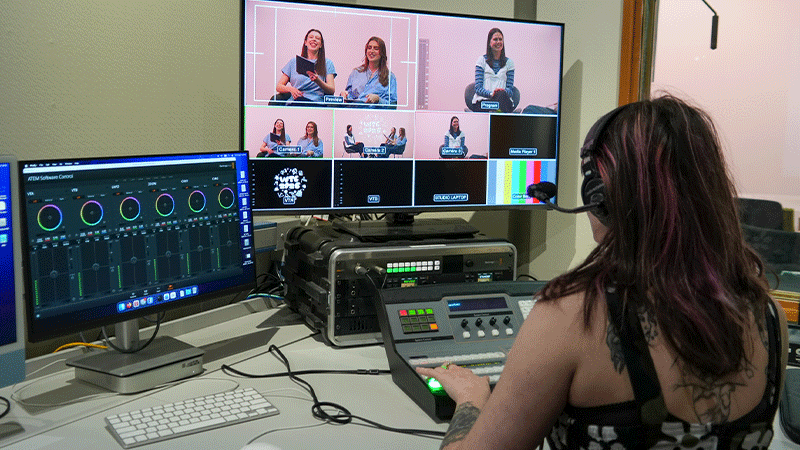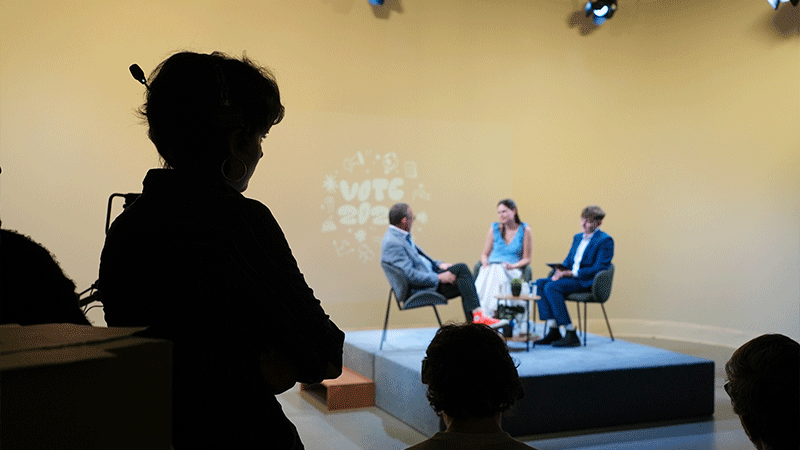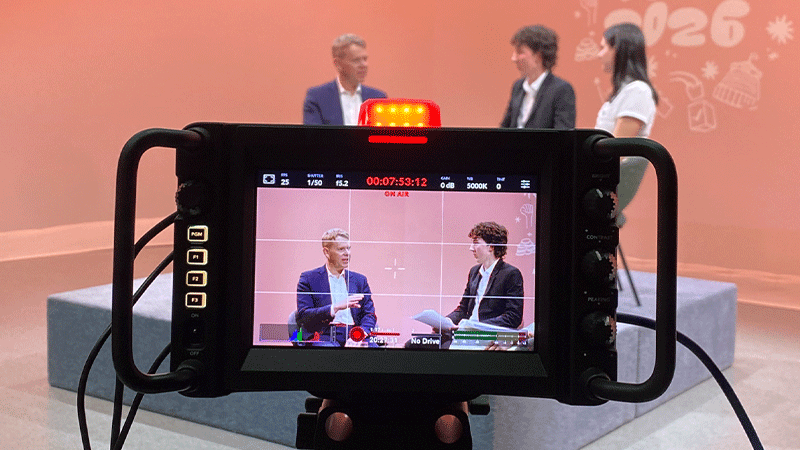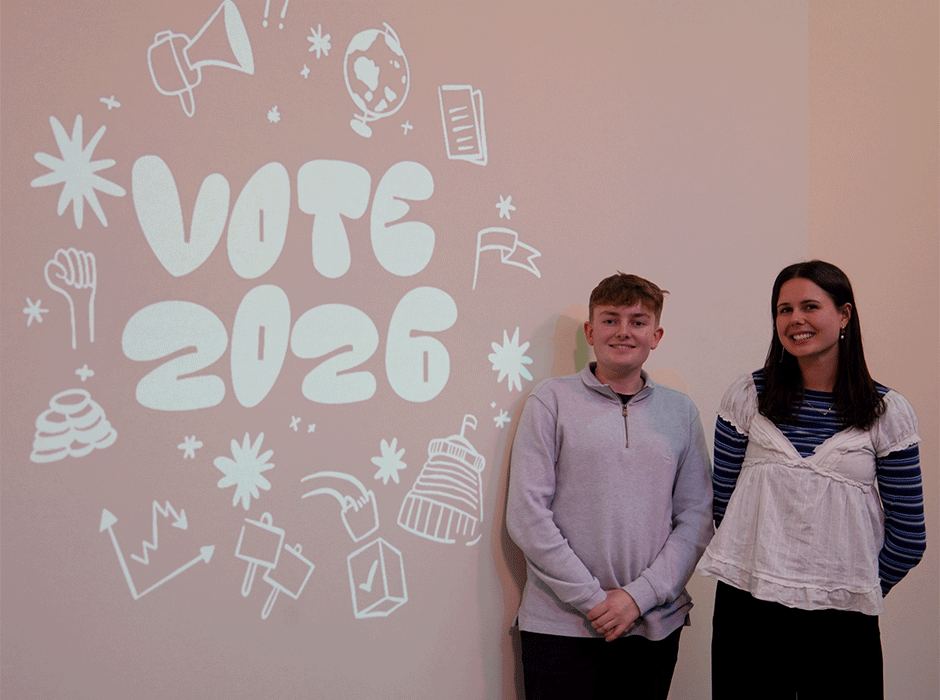
VOTE 2026 co-producers Alex van der Vliet and Sophie Bowmar, pictured in Otago's Media Production Studio, are part of a group of students interviewing politicians ahead of the 2026 election.
Otago students are holding the country’s top and aspiring politicians to account with a thorough grilling on camera ahead of the 2026 general election.
Student-led initiative VOTE 2026 is back in action for the third election in a row, transforming Law and Politics students into TV journalists as they interview politicians from a variety of parties in Otago’s Media Production Studio.
Co-producers Sophie Bowmar and Alex van der Vliet, both studying fourth year Law and Politics, are part of the group of about 30 students who signed up for the project.
Sophie, who was also part of VOTE 2023, says she wanted to be part of the unique experience a second time.
“It’s a pretty rare opportunity as a student to sit across from some of the biggest names in New Zealand politics and ask them questions that actually matter to young people.
“Coming back this year felt like a chance to be part of something I really enjoyed the first time around, but also to see how the political landscape has changed since 2023.”
The previous election saw interviews with the likes of former Minister of Finance, now Otago Vice-Chancellor Grant Robertson, as well as New Zealand First leader Winston Peters.
So far this year the students have snagged Labour leader Chris Hipkins and ACT candidate Paul Henry for sit-down chats and have lined up interviews with others from across the political spectrum.
Sophie describes the experience as “surreal at first”.
“You’re sitting across from people you’ve spent years watching on the news, but once you’re actually in the room with them, you realise they’re just people at the end of the day.
“I think the biggest thing is having the confidence to remember that you’re there for a reason, and that you have every right to ask them tough questions.
“Once you get past that initial intimidation, it becomes much more about having a genuine conversation and making sure you get answers to the questions that matter to students.”
However, she says the student interviewers aren’t just interested in issues that affect them in the short term.
“Students care about much bigger questions too - climate change, the economy, New Zealand’s place in the world, the future of public services and what kind of country we want to live in.
“So we’re asking politicians about what affects students now, but also about the much bigger issues that are going to shape the country we inherit.”
Alex, who is also the Academic Officer in the Politics Students’ Association, says the VOTE series gives students a chance to bring politics out of Parliament and into the university community.
“The big thing is making sure we’re asking questions about the issues that actually affect students’ lives, rather than just giving politicians an opportunity to repeat their campaign talking points.”
The students put a huge amount of work into producing the series, he says.
“We’re contacting the politicians through every platform or email address we can find, researching their policies, figuring out which issues are most relevant to students, developing and refining questions, organising filming and a media production crew, and then working through an enormous amount of footage afterwards.
“It’s a genuinely student-run project, so there are a lot of moving parts and a lot of generous people contributing their time behind the scenes.”
Academic liaison Dr Michael Swanson, an Honorary Research Fellow in the Politics Programme, has taught many of the students involved in this year’s project, and credits their hard work pulling together a team of students with production skills, social media know-how, research skills, and interviewing/presentation skills.
“Alex and Sophie, in particular, are doing some huge hours leading the whole process, but there is a group doing hours of editing, hours of research, and working hard to secure a big range of politicians,” Michael says.
“This isn’t a production run by academics, or by professional media, but students who are engaged in politics and media production getting together to do something specifically focused on issues students care about.”
The series is an opportunity for politician to talk directly to students in surroundings that support constructive conversation, he says.
“Often, the only chance for politicians to talk directly is in on-campus debates or candidate forums which can often become quite confrontational and aggressive, massively detracting from what’s being discussed.
“The VOTE project is such a great chance to have views and policies openly discussed with a couple of highly engaged student interviewers that can then be shared with a wide range of people that often just want good, clear information.”
Click here to watch the VOTE 2026 series.
- Kōrero by Media Engagement Adviser Lydia Anderson