
New Zealand does not have enough neurologists to keep up with the increase in demand for the diagnosis and treatment of conditions such as multiple sclerosis, Alzheimer’s disease and stroke, research from the University of Otago, Wellington – Ōtākou Whakaihu Waka, Pōneke, has found.
Professor Anna Ranta from the Faculty of Medicine’s Department of Medicine led a study on the neurology workforce, examining capacity, trends over time and future projections to assist with health sector planning. The findings are published in the British specialist medical journal, BMJ Neurology Open.
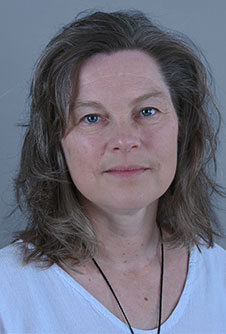
Professor Anna Ranta
She says that while the workforce has increased over the past 10 years, the number of neurologists per head of population in New Zealand ranks well below other high-income countries, and demand for services continues to significantly exceed supply.
“If current trends continue, the gap is expected to widen rather than narrow over the next 12 years.”
There were 83 neurologists working in New Zealand across the public and private sectors in 2024, providing 67.3 full-time equivalents, including 8.3 full-time equivalent specialist paediatric neurologists. The combined individual adult neurologists equate to one neurologist per 74,000 people. Australia has one neurologist per 41,000 people.
Professor Ranta says a recent Australian workforce model estimated that to achieve best practice management requirements, one neurologist per 28,000 people would be required.
“If current training, recruitment, retention and practice patterns persist, projections indicate there will be a gradual worsening in the New Zealand neurology workforce over time.”
She says lack of resourcing in the health sector means not everyone who would benefit from seeing a neurologist has the opportunity to do so, and those who do are being discharged back to their general practitioner after a single visit. Only about one in five patients with chronic neurologic disease are regularly reviewed by a neurologist.
“We should expect about six times as many follow-up appointments as first specialist assessments. However, Health NZ reports an overall ratio of 1:1 first assessments to follow ups.”
Aotearoa New Zealand facing looming shortage of neurologists
A video of Professor Ranta discussing the findings.
Professor Ranta says new and sometimes more complex treatments are increasing the need for neurology services.
“Multiple sclerosis treatment options have become more complex, requiring more specialist input, and new Alzheimer’s treatments are on the horizon. Rarer diseases, such as spinal muscular atrophy, now have treatment options, and there are many more treatments for neurogenetic diseases imminent.”
Professor Ranta says other changes which are increasing the demand for neurologists include advances in acute stroke treatment, such as reperfusion therapies which can enable doctors to clear blocked arteries and restore the blood flow to the brain before major damage occurs.
“There has also been an increase in tertiary hospitals routinely providing telemedicine or telephone expert decision making support to smaller hospitals and in the number of patients transferred for reperfusion therapy.”
Professor Ranta says the new treatments make a significant difference, reducing death and disability, and bringing long-term savings to the health sector.
“Despite this, there has been minimal additional investment in the neurology workforce to ensure these savings can be realised.”
Currently New Zealand has the capacity to train only four to five new neurologists a year, with neurology specialist training taking three years.
Professor Ranta says compared to Australian and World Federation of Neurology figures, the number of neurologists working in New Zealand falls woefully short.
“New Zealand requires strong funding, recruitment and training initiatives if we want to be ready for the projected increase in neurological burden of disease now and over the next decade.”
The research was supported by funding from the Australian and New Zealand Association of Neurologists.
The research paper, Aotearoa New Zealand’s Neurologist Workforce: A 2024 Analysis of Demand, Supply and Projections, is published in BMJ Neurology Open, read the article here.
University of Otago, Wellington
We teach medicine, radiation therapy, physiotherapy, postgraduate qualifications and papers, and undertake a wide variety of health-based research.
View