
The University of Otago - Ōtākou Whakaihu Waka is pleased to announce that 27 academics will be promoted to the position of Professor in the new year. This includes one academic who will become a Clinical Professor and three who will become Research Professors.
Vice-Chancellor Grant Robertson says he is delighted to extend his congratulations to this group of talented kaimahi.
“It is fantastic to see that the dedication and commitment that each of these people have made to their field is to be recognised in this way,” he says.
“Their mahi contributes so much to Aotearoa and we are proud that they are part of our academic community.”
In addition, 36 academics are being promoted to Associate Professor, including nine to Research Associate Professor and one to Clinical Associate Professor.
As part of the promotion process at Otago an individual’s record of contribution to research, teaching and service to the University and community is evaluated. This includes input from international experts, who consider the candidate’s research contributions.
The promotions take effect from 1 February 2027.
Professorial promotions
Antonie Alm – Languages and Cultures Programme
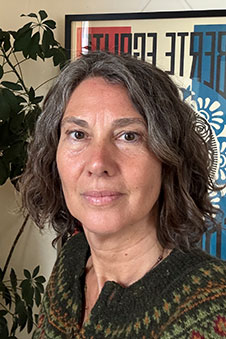
Antonie is an applied linguist with a lifelong passion for languages, which she teaches, researches and continues to learn. She specialises in Computer Assisted Language Learning (CALL), focusing on motivation and learner autonomy. Research on social media and an autoethnography of learning Spanish led to her concept of intraformal learning, where formal study builds on informal experience, equipping students for independent language use. Studying German learners in the ‘AI wilderness’ of early ChatGPT, she redefined autonomy as the capacity to use AI productively with agency and critical awareness. Antonie led the New Literacies section of The Palgrave Encyclopaedia of CALL. Her editorial work includes serving as associate editor of Computer Assisted Language Learning and on several editorial boards. Her teaching won Otago Teaching Excellence and Te Whatu Kairangi National Teaching awards. She’s held leading roles in the NZ German teachers’ association, including President, and was Head of Programme, Languages and Cultures.
Caroline Beck – Department of Zoology
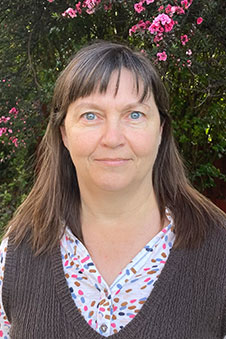
Caroline is a developmental biologist who uses tadpoles of the African clawed frog, Xenopus laevis, to study regeneration and the genetic causes of rare infantile onset epilepsy. Tadpoles can regrow tails, spinal cords, limbs and eye lenses, and her lab investigates why this ability is lost during development. Her Marsden-funded team recently uncovered a role for commensal skin bacteria in triggering tail regeneration through the innate immune system’s Toll-like receptors, revealing a pro-regenerative role for the microbiome. Her rare disease work combines genetic engineering with transcriptomics, pharmacology and machine learning for posture tracking of seizure-like movements, offering a rapid platform for finding and testing potential therapies. Caroline is a former Director of the Genetics Teaching Programme, will soon become Deputy Head of the Zoology Department, and has recently published a book of Xenopus laboratory protocols.
Vincent Bennani – Department of Oral Rehabilitation
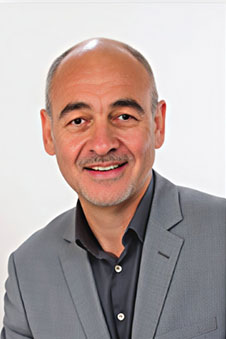
Vincent is an internationally recognised specialist prosthodontist and researcher whose work integrates dental biomaterials, clinical prosthodontics and implantology. With a PhD in biomaterials and over three decades of specialist clinical experience, he leads research in biomimetic restorative materials, implantology and peri-implant soft tissue management. His research also encompasses digital dentistry, including CAD/CAM, intraoral scanning and ultrasonic technologies. He founded the Biomimetic Research Group at the Sir John Walsh Research Institute, University of Otago, developing an international network of academic and industry collaborators. His research has generated peer-reviewed publications, books, a patent and substantial research funding, including a prestigious Health Research Council Explorer Grant. His translational research includes collaborations on bioactive oral care products, innovative biomaterials and semi-customised orbital implants for fracture management, alongside industry and maxillofacial specialists. An award-winning researcher and international keynote speaker, Vincent is committed to translating scientific discoveries into advances in clinical practice and patient care.
Peter Cathro – School of Business, School of Dentistry
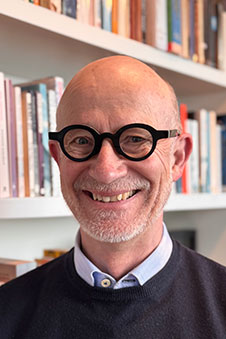
Peter’s research interests span a broad range of topics. As an endodontist (specialist in saving teeth), his work supports clinical practice and teaching. During his tenure at the University of Adelaide, he examined how a bacterium associated with persistent root canal infection adapts to the high-alkaline conditions used in treatment. As Head of Discipline, he established an Endodontic and Oral Microbiology research theme for postgraduate and honours students, focusing on endodontic materials and medicaments, regenerative approaches and clinical outcomes. Returning to Otago, he led the Department of Oral Rehabilitation for seven years, collaboratively supervising projects on microbial adaptation and biomaterials that help preserve the vitality of the pulp. His work links laboratory science to improved patient care and to the education of future clinicians. Peter is currently the Director of Executive Programmes at the Otago Business School, where he welcomes the opportunity to supervise Doctor of Business Administration students across an even wider range of subjects.
Harsha De Silva – Department of Oral Diagnostic and Surgical Sciences
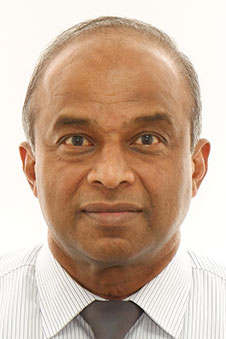
Harsha is a clinical academic with special interests in the clinicopathological behaviour of oral cancer and precancer and in the surgical management of dentofacial deformities. He is the academic lead for Oral Surgery in the Faculty of Dentistry and a Joint Clinical Consultant in Oral and Maxillofacial Surgery for Te Whatu Ora Southern. He established a clinical research platform to develop interventions to improve the outcomes of wisdom teeth surgery and to survey practitioners' opinions in New Zealand dental practice to better inform and reshape oral surgery teaching. Harsha played a leading role in the development of postgraduate oral surgery curricula in Sri Lanka and in Pacifica. He was a commissioned officer in the Sri Lanka Air Force, a Consultant Oral & Maxillofacial Surgeon to the Ministry of Health and chaired the Board of Study in Dental Surgery at the Postgraduate Institute of Medicine before joining the University of Otago.
Mani Ekambaram – Department of Oral Sciences
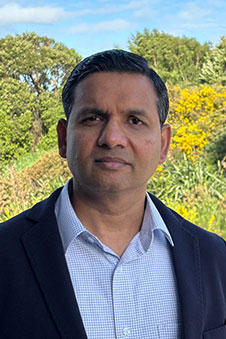
Mani is Head of Discipline and postgraduate programme director of Paediatric Dentistry. He is an internationally recognised clinician-scientist whose research has made important contributions to the prevention and management of dental caries (cavities), and management of developmental enamel defects in children. His research expertise spans enamel remineralisation, enamel and dentine adhesion, molar incisor hypomineralisation, and paediatric oral health. His research has advanced understanding of dentine bond durability, improved adhesion to hypomineralised enamel, and contributed to development of novel remineralisation strategies for early enamel caries lesions. His work has strengthened the evidence base for minimally invasive approaches to managing childhood oral disease and improving oral health outcomes. Mani is a recognised leader in dental education and postgraduate training, contributing extensively to curriculum development, clinical teaching, postgraduate supervision, and professional leadership. His service to the University, the profession, and the international paediatric dental community has helped shape research priorities, clinical guidelines, and standards.
Ben Gray – Department of Primary Health Care, Wellington
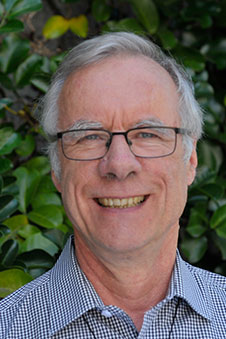
Ben, a now retired GP, has combined clinical work with a high-needs population at Newtown Union Health Service, with teaching and research in general practice, interprofessional practice and bioethics at Ōtākou Whakaihu Waka ki Poneke. He convened Professional Development and Ethics teaching for 19 years. His research on working with interpreters for people with Limited English Proficiency led to significant input into Government policy on Language Assistance. As chair of the Wellington Welfare Guardianship Trust, he contributed to the Law Commission review of Adult Decision making. He has been a leading advocate on the importance of the intersection between culture and ethics, in both publications and teaching. He is a distinguished fellow of the Royal New Zealand College of GP’s, a long-time member and past conference convener for the Australasian Association of Bioethics and Health Law, and an affiliate of the Department of Bioethics.
Hilary Halba – School of Performing Arts
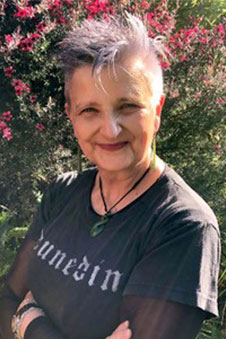
Hilary has maintained a 40-year career as a professional actor and director, alongside an internationally recognised research profile. Her creative practice includes a life-long commitment to working in partnership with mana whenua, including as a founder member of Kāi Tahu-based theatre collective Kilimogo Productions. Most recently she co-directed the 2025 world premiere of Wahine Mātātoa by Cindy Diver (Kāi Tahu), a work grounded in Kāi Tahu whakapapa, mātauraka and tikaka. Hilary has co-ordinated several major funded creative research projects. Her research in verbatim theatre, developed in collaboration with Emeritus Professor Stuart Young, has gained international recognition, with their particular ‘headphone verbatim’ methodology adopted by a range of practitioners and companies. She also leads the ‘Physics/Theatre Project’, an innovative interdisciplinary initiative that explores how scientific principles can be expressed, embodied and understood through theatre. Each of these research projects have generated publications, international invitations, and led Hilary to develop fresh approaches to teaching. Drawing on her career of teaching, theorising about – and championing – acting throughout the motu and around the world, Hilary co-wrote Acting in Aotearoa with David O’Donnell (Routledge, 2025). In 2025, she received two lifetime achievement awards. Throughout her career Hilary has held leadership positions in the university, alongside significant national arts governance and advisory roles. She has supervised postgraduate research, examined higher degrees and served on international editorial boards.
Maria Hook – Faculty of Law
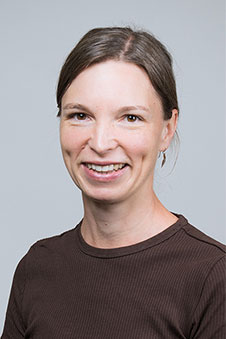
Maria is an expert in private international law, which is the body of law that deals with cross-border aspects of civil claims in domestic courts. Her research ranges across the entire field of private international law, covering questions of civil jurisdiction, choice of law, civil procedure, and recognition and enforcement of foreign judgments. Much of her work focuses on the rules of private international law that are applicable in New Zealand courts. Maria is a passionate advocate for New Zealand private international law and its reform. She has worked with government agencies and lawmakers, is a founding member and executive director of the Australasian Association of Private International Law, and is co-editor of The Conflict of Laws in New Zealand – News and Comment, a blog that seeks to stimulate engagement with the discipline and make it more accessible to lawyers, law students and the general public.
Jenny Jordan – Department of Psychological Medicine, Christchurch
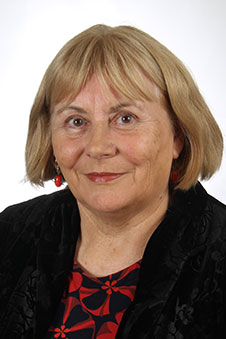
Jenny is a clinical psychologist specialising in psychotherapy-related research, aiming to improve outcomes for those with eating, mood and anxiety disorders. She co-developed Specialist Supportive Clinical Management (SSCM), originally a control therapy for anorexia nervosa, which proved so effective it is now included in international treatment guidelines. Jenny has delivered training in 10 countries and is creating a sustainable SSCM dissemination platform. Her other eating disorders research ranges from co-leading the Aotearoa site for international eating disorders genetics consortia, prevention (adapting a media-literacy risk reduction program for 11-year-olds in Aotearoa), co-leading a service utilisation study for Māori with eating disorders, and establishing the costs of eating disorders for those affected in Aotearoa. These studies have created essential networks across the eating disorders community, clinicians, and researchers. Jenny is privileged to support and collaborate with early career Māori researchers and other keen students interested in equity, and mental health research.
Sherlock Licorish – School of Computing
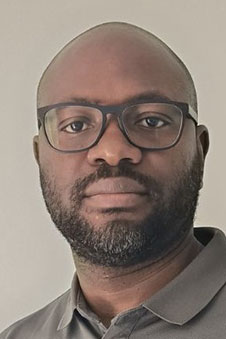
Sherlock’s research has an applied focus across software engineering and artificial intelligence, with recent interest in applications of AI in software engineering. His research portfolio includes over 100 articles, leading to several research prizes, awards/honours, fellowships and special invitations. Sherlock has attracted research funding, including MBIE Endeavour Fund Smart Ideas and SfTI National Science Challenge awards focused on automating software fault detection and repair. He has supervised 32 postgraduate students (15 PhDs), with his students achieving outstanding careers (including at the Canadian Institute for Cybersecurity, Tulane University, University of Melbourne and Xi’an Jiaotong-Liverpool University). Sherlock provides research leadership across all levels of academia, serving on various panels and committees at the University, nationally and internationally. He seeks out opportunities to advance Māori and Pasifika development, including through research co-design. Sherlock is Vice-Chair of Software Innovation NZ and led the development of the first Software Engineering Research Strategy.
Jevon Longdell – Department of Physics
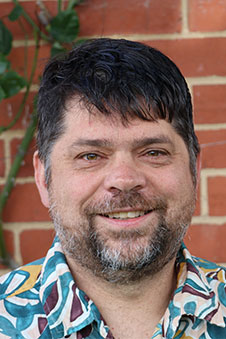
Jevon is an experimental physicist whose research explores how rare-earth element impurity atoms in very cold crystals can be used for quantum technologies. He has made important contributions to the development of quantum memories for light and to converting microwave quantum signals into optical light. Recently he and his group have demonstrated the unexpected and exciting benefits of using magnetic crystals as hosts for rare-earth ions. He has led the acquisition of New Zealand's first modern dilution refrigerator, which supports research on superconducting quantum computing. He led the development of the Quantum Technology Aotearoa national research programme. He enjoys teaching physics courses at all levels, from first-year papers through to fourth-year. He has also served the Department of Physics as Deputy Head of Department (Research) and in a range of other roles. Jevon is a Principal Investigator in Te Whai Ao – the Dodd-Walls Centre.
Susan Houge Mackenzie – Department of Tourism
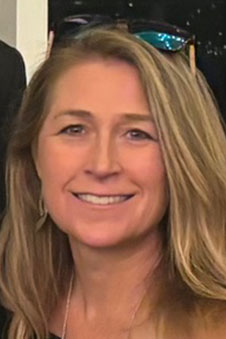
Susan’s interdisciplinary research bridges psychology, tourism and sport to explore how adventure and nature-based experiences enhance psychological well-being. Drawing on her background as an adventure guide and footballer, her research has advanced understanding of human motivation and optimal flow experiences. Her work has also challenged traditional ‘risk and thrill’ approaches to adventure by demonstrating the broader well-being benefits of adventurous activities and their potential to benefit diverse populations. Her research also advances regenerative tourism by investigating how tourism can deliver lasting benefits for communities, visitors and natural environments. She is passionate about translating research into policy and practice and works with businesses and government agencies to translate regenerative tourism principles into meaningful action. As Co-Director of the Otago Tourism Policy School, Susan provides national leadership by connecting academics, policymakers and industry leaders to address key challenges facing New Zealand’s tourism system and inform long-term policies that support the well-being of destinations and communities.
Grace Moore – English and Linguistics Programme
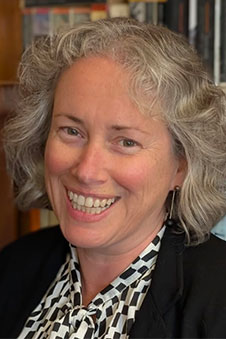
Grace is a Dickens scholar, who also works in the Environmental Humanities. Her research examines how Australian settler literature responded to bushfires. She has held fellowships at the University of British Columbia, Yale, and UC Santa Cruz, and she was a senior fellow of the Australian Research Council’s Centre of Excellence for the History of Emotions. Grace also works on crime writing, critical animal studies, and pirates. The author of the first book-length study of Charles Dickens’s racial politics, her recent work includes essays on George Eliot and the weather, HG Wells and food, and the nature writer Louisa Atkinson. Since January 2024, she has been the General Editor of the online Literary Encyclopaedia, a thriving digital humanities project that recently celebrated its 26th birthday. Grace believes passionately in advocacy for the Humanities and is particularly fond of public engagement events. Her next book is Anthony Trollope and the Global Environment.
Meredith Perry – School of Physiotherapy
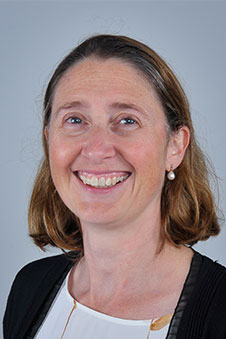
Meredith is a physiotherapist and researcher with a strong commitment to reducing health inequities, particularly for disabled people. Her research platform centres on community partnered, co-designed projects across micro, meso, and macro levels of the health system. She works in an interprofessional and disability responsive manner; one example includes research into green space, wellbeing and access for disabled communities. Based within the School of Physiotherapy, Meredith has taught on the undergraduate curriculum and in clinical education for over two decades, convenes postgraduate papers, and supervises PhD and master’s students. She is Deputy Dean of the School, sits on the management board of the Centre for Ageing Research Excellence, and represents Health Sciences on the Equity Advisory Committee. Meredith is an Honorary Fellow of Physiotherapy New Zealand, holds roles on several national and international editorial boards and grant assessment committees, and is a curriculum advisor for two international universities.
Tracy Perry – Sciences Divisional Office
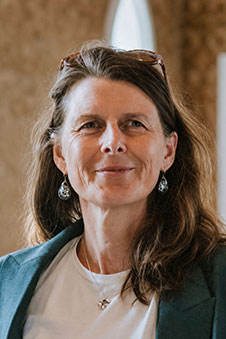
Tracy (Ngāti Porou, Waikato) is the Associate Dean Māori (Sciences) and a registered dietitian. Her research sits at the interface of multidisciplinary science and mātauranga Māori, integrating nutrition research and Kaupapa Māori-informed qualitative methodologies. It has evolved from randomised controlled trials on nutritional metabolism, diabetes, glycaemic index, sedentary behaviour and sports nutrition to research grounded in te ao Māori approaches spanning kai sovereignty, kaumātua wellbeing, intergenerational narratives and Māori-centred storytelling methodologies. She also uses life stories to explore how past experiences, present circumstances and future aspirations shape Māori students’ journeys to degree completion. She has a strong commitment to building research capability through mentoring students and to advancing equitable outcomes for Māori. Tracy co-directs the Research theme Interface of Diverse Systems of Knowledge. She previously co-directed the Ageing Well National Science Challenge and chaired the Te Poutama Māori Advancing Research Collaboration Grant Committee.
Nic Rawlence - Department of Zoology
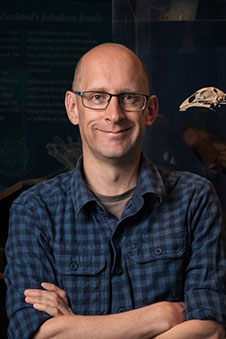
Nic is a palaeontologist who is passionate about rediscovering the lost pages of Aotearoa New Zealand’s biological heritage. He is Director of the Ancient Ecology Lab Mātai Hauropi Tawhito. His research uses a multidisciplinary toolbox and focuses on reconstructing past ecosystems ranging from hundreds of years to tens of millions of years old. It considers how these ecosystems responded (and in some cases didn't) to Aotearoa's dynamic geological, climatic and human history and how this information can be used to inform evidence-based kaitiakitanga and conservation management of our taonga species. Nic is also an internationally recognised and in demand science communicator, bringing his lab’s latest discoveries into the community and acting as critic and conscience on topical scientific issues affecting societies today. He has been awarded both the 2025 Prime Ministers Science Communication Prize and the Cranwell Medal for Science Communication by the New Zealand Association of Scientists.
Annika Seppälä – Department of Physics
Annika is a physicist whose research has established the effects of energetic particles from space as a recognised component of the Sun’s influence on climate in international modelling and assessments. Her early work provided the first observational evidence that large solar storms cause lasting chemical changes and ozone depletion in the polar atmosphere. Her subsequent research explained the physical mechanisms connecting chemical changes high in the atmosphere to regional climate variability. Through international research leadership, Annika contributed to the first inclusion of energetic particle effects in global climate simulations informing the Intergovernmental Panel on Climate Change’s Sixth Assessment Report. She continues to contribute to international climate modelling efforts. Annika leads the Atmospheric Science team in the Tuwhiri MBIE Endeavour Research Programme, building Aotearoa New Zealand’s capability to monitor the climate from space. Since 2024, she has served as the Deputy Head of the Physics Department, with leadership responsibility for research.
Bridgette Toy-Cronin – Faculty of Law
Bridgette is a socio-legal scholar whose work concentrates on people’s access to legal institutions and services to solve every day legal problems. Her research focuses on how legal institutions operate in practice and how they can better respond to the needs of the communities they serve. Central to her research is the idea that legal institutions must work for the people who rely on them, particularly those who face barriers to accessing justice. Her work looks not only at deficiencies within the justice system but also at the evidence, institutional relationships, and practical reforms needed to improve it. Through close engagement with communities, policymakers, practitioners and justice institutions, her work supports the development of a more accessible, effective, and responsive civil justice system.
Andrew Trotman – School of Computing
Andrew’s research has focused on reducing search engine latency while increasing results quality. That is, getting better results in less time. Reducing latency has the obvious effect of reducing the number of computers needed in a datacentre, and therefore the environmental impact of large-scale search engines. His work in this area has generally focused on core computer science topics including new compression algorithms, merging algorithms, scheduling, optimisation, parsing, and parallel computation. He has also worked in computer graphics, computer science education, recommendation systems, human computer interaction, the history of computing, bioinformatics, computer science experimental reproducibility, and AI ethics. He founded the Poly Preservation Project to document and preserve the history of the New Zealand designed and manufactured Poly computers.
Greg Walker – School of Pharmacy and Pharmacology
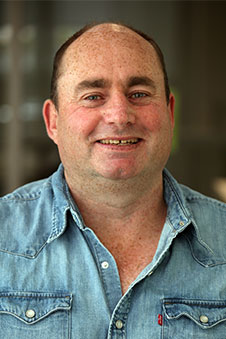
Greg is a pharmaceutical scientist whose research focuses on developing innovative medicines and drug delivery technologies to improve human and animal health. His current research includes developing an injectable pre-hospital treatment for life-threatening bleeding, advanced nanoparticle technologies for RNA-based medicines, and novel veterinary antimicrobials to combat antimicrobial resistance. Greg has extensive international pharmaceutical industry experience. As R&D Manager in the UK, he invented PeproStat, a novel medicine to control surgical bleeding, which successfully completed early human clinical trials before the company was acquired. His research has attracted contracts from multinational animal health companies, including DSM-Firmenich, Bayer Animal Health and Elanco, to develop innovative veterinary medicines. Beyond the laboratory, Greg is passionate about science outreach, recently visiting Samoa and the Solomon Islands to engage with local communities and schools, inspiring young people and sharing the science behind medicines. His work bridges scientific discovery, industry innovation and community engagement.
Leah Watkins – Department of Marketing
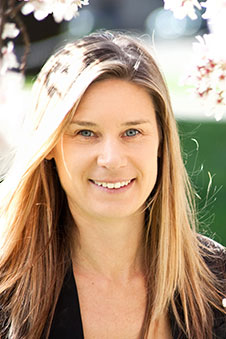
Leah is a consumer behaviour researcher whose work examines marketing’s influence on individuals, communities and society. Her research explores how marketing practices shape consumer behaviour and influences broader social, environmental and public health outcomes, emphasising sustainable consumption, consumer wellbeing and marketing’s ethical responsibilities. A key focus is the societal impact of harmful product marketing, particularly its implications for children, vulnerable consumers and on population health. Her work informs debates about protecting vulnerable consumers, regulating harmful marketing practices and encouraging responsible consumption. Leah leads the long-running New Zealand Consumer Lifestyles Study, which tracks changing consumer values, attitudes and lifestyles, providing insights into how New Zealanders live, consume and respond to social and economic change. She also co-leads the Research Network for Sustainable Business, fostering interdisciplinary collaboration on sustainable business practices. Her current research examines how simpler, more sustainable lifestyles can enhance wellbeing and how marketing systems shape population health.
Nancy Rehrer – School of Physical Education, Sport and Exercise Sciences
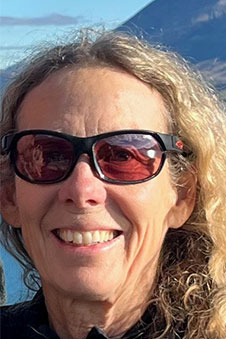
Nancy has throughout her career pursued a greater understanding of nutrient and exercise interactions, from limitations and regulation of fluid and carbohydrates to the efficacy of protein supplementation and the role of the gastrointestinal tract. She, and her post-graduate students and colleagues, have monitored and described energy and substrate utilisation in a variety of situations from extremely demanding sporting endeavours to activities in daily life. They continue to contribute female specific data in exercise physiology. Recent collaborative work looks at how microbes in the gut affect how the body uses and responds to nutrients.
Clinical Professors
Patrick Dawes – Department of Surgery and Critical Care, Dunedin
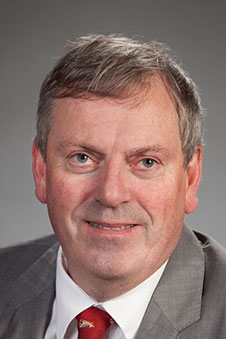
Patrick’s research interests have been varied with a major focus on chronic middle ear disease and adenotonsillar disease (inflammation, infection and enlargement of tonsils and andenoids). The persisting impact of childhood otitis media (glue ear) has been explored within the Dunedin Study cohort through description of surgical outcomes as well as through describing the anatomy related to management of middle ear disease and use of long-term grommets for glue ear persisting into adolescence and adulthood. With Professor Barbara Galland, he has studied the role of both physiological assessment and sleep questionnaire for assessing the impact of adenotonsillar hypertrophy on children’s sleep and in predicting expected surgical outcomes. He has supervised two double blind randomised controlled trials that have contributed to optimizing post-operative pain relief after tonsillectomy. More recent research has focused on undergraduate ENT teaching. This has both informed the revitalisation of the ENT module and demonstrated its positive impact on student motivation and self-efficacy.
Research Professors
Claire Cameron – Biostatistics Centre
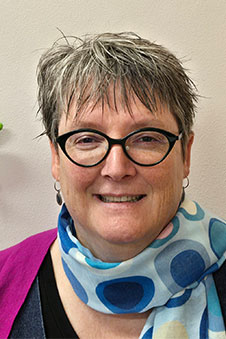
Claire is the Director of the Biostatistics Centre Te Pokapū Tatauranga Koiora in the Division of Health Sciences. Her career has followed a decidedly crooked path, shaped by curiosity, opportunity, and, as a biostatistician, a commitment to enabling biostatistics (as a discipline) and biostatisticians (as methodology-focused academics) to improve the quality of health-related research. Working across disciplines and alongside colleagues from a wide range of backgrounds, her research focuses on strengthening the methods, evidence, and decision-making that underpin better health outcomes. She is particularly interested in producing work that is rigorous, relevant, and useful to the communities it serves. She is also committed to building supportive connections between biostatisticians and improving non-biostatisticians’ understanding of the discipline. She achieves these goals through her leadership roles, her many collaborations, networks, and mentoring. In 2025, she was the recipient of the New Zealand Statistical Association’s Campbell Award.
Aniruddha Chatterjee – Department of Pathology and Molecular Medicine, Dunedin
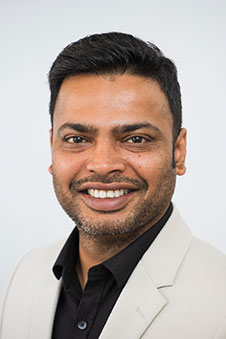
Aniruddha is a prominent cancer epigeneticist and the current Associate Dean International (Division of Health Sciences). His research focuses on DNA methylation, a layer of instruction code on DNA that strongly influences how cells behave. He is currently a Sir Charles Hercus Health Research (HRC) Fellow and was previously a Rutherford Discovery Fellow (RSNZ). He leads Otago’s Epigenetics and Disease Laboratory, where his team investigates how changes in DNA methylation contribute to tumour development, metastatic spread, and treatment resistance, with a focus on lung, prostate, colorectal, and pancreatic cancers. His research programme combines cutting-edge laboratory experiments, genome-scale sequencing, and advanced computational approaches to study methylation patterns in tumour tissue and circulating tumour DNA in the blood. Working collaboratively with clinicians, researchers and communities in Aotearoa New Zealand and internationally, he aims to develop blood tests that can detect cancer earlier, predict how patients may respond to treatment and monitor disease over time. He also leads research using epigenome editing to understand which methylation changes drive cancer and whether reversing them could open new avenues for cancer treatment.
John Pearson – Biostatistics and Computational Biology Unit, Christchurch
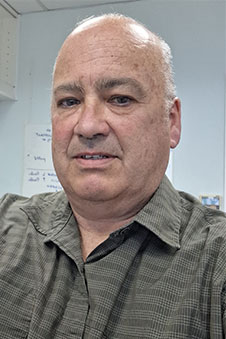
John’s research combines statistics, epidemiology, and genomics to map health conditions as we age. Lead roles in the Canterbury Health and Ageing Life Course Study (CHALICE) and the Christchurch Health and Development Study (CHDS) have furthered our understanding of risk factors for cardiac and psychiatric conditions. Long term collaborations have yielded genomic insights into neurodegenerative disorders including Multiple Sclerosis and Huntington’s Disease, and breast and colon cancer.
Promotion to Associate Professor
Alana Alexander, Anatomy
Jon Cornwall, Office of the Head of Faculty, Medicine
Courtney Ennis, Chemistry
Sebastian Gehricke, Accountancy and Finance
Greg Giles, Pharmacy and Pharmacology
Joanna Gullam, Obstetrics and Gynaecology, Christchurch
Sarah Harris, Paediatrics and Child Health, Christchurch
Laura Joyce, Office of the Dean, Faculty of Medicine, Christchurch
Nathan Kenny, Biochemistry
Amanda Landers, Medicine, Christchurch
Campbell Le Heron, Medicine, Christchurch
Jenny Jandt, Zoology
Greg Leonard, Surveying
Fabien Montiel, Mathematics & Statistics
Michael Pankhurst, Anatomy
Narun Pat, Psychology
Meredith Peddie, Human Nutrition
Rosemary Overell, Media, Film and Communications
Matiu Ratima, University of Otago College of Education
Shakila Rizwan, Pharmacy and Pharmacology
Dominic Searles, Mathematics & Statistics
Jeremy Simcock, Office of the Dean, Faculty of Medicine, Christchurch
Lili Song, Faculty of Law
Henrietta Trip, Nursing
Murat Ungor, Economics
Ryan Ward, Psychology
Promotion to Research Associate Professor
Nick Bowden, Paediatrics and Child Health, Dunedin
Jennifer Dunn, Orthopaedic Surgery and Musculoskeletal Medicine, Christchurch
Sue McAllister, Centre for International Health and Public Health, Dunedin
Bronwen McNoe, Public Health, Dunedin
Kimberley O’Sullivan, Public Health, Wellington
Toni Pitcher, Medicine and Psychological Medicine, Christchurch
Rachel Purcell, Surgery and Critical Care, Christchurch
Andrea Teng – Public Health, Wellington
Jonathan Williman – Office of the Dean, Christchurch
Promotion to Clinical Associate Professor
Bryony Simcock, Obstetrics and Gynaecology, Christchurch