
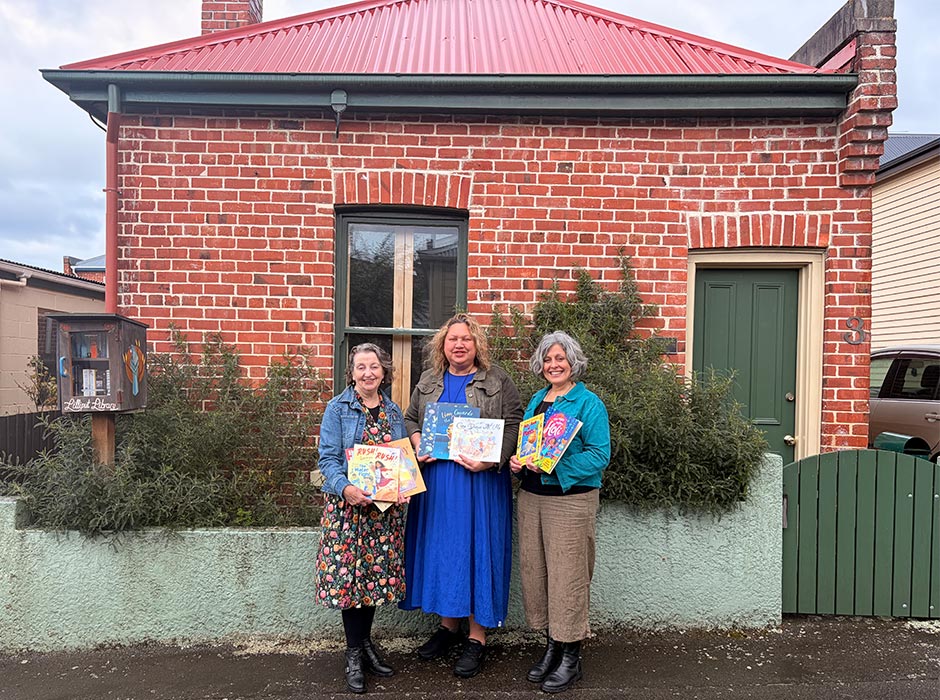
Celebrating the return of the College of Education Children’s Writer in Residence are, from left, Trish Brooking, Maria Kewene-Edwards and Vivienne Anderson holding works of some previous residents, outside the Robert Lord Writers Cottage in Titan Street.
New Zealand’s longest established residency for children’s writers returns and with it the promise of more stories for, and about, our children and young people.
The University of Otago College of Education Children’s Writer in Residence resumes its vital role in supporting children’s literature, in partnership with Robert Lord Writers Cottage Trust, after receiving Creative New Zealand funding.
Dunedin’s literary community rallied to get the residency back after it was paused in 2026 due to a funding shortfall. This is the only year the residency has not been offered since it was established in 1992.
Dean of the College of Education Professor Vivienne Anderson says they are thrilled to see this residency return to the community.
“Children’s literature educates, entertains, fosters a sense of cultural identity, and brings joy. By supporting children’s writers, we ensure new books are created that reflect and represent Aotearoa New Zealand, and that our children and young people can see themselves in the pages,” Vivienne says.
Vivienne says the resident children’s writer is greatly missed on campus this year, but there have been some positives from the pause.
“We have really been made aware of how much Dunedin and New Zealand children’s writers value this residency. We have had great support and collaborated with partners to review and refine this offering – and the success is evident in this funding support.”
"By supporting children’s writers, we ensure new books are created that reflect and represent Aotearoa New Zealand, and that our children and young people can see themselves in the pages.” – Professor Vivienne Anderson
The Robert Lord Writers Cottage Trust remains an important partner to the University in this residency and provides rent-free accommodation for the writer. Located in Titan Street, the cottage was the home of playwright Robert Lord who bequeathed it as writers’ accommodation.
Trustee Vanessa Manhire says she and the other Trust members are delighted at the return of the residency.
“A big part of the values and vision for the cottage is to support writers from across every genre, and we are thrilled to be partnering with the College of Education again on this dedicated residency for children’s writers.”
The restructured residency now runs for 14-weeks and aligns with the University semester. Its core purpose remains supporting high-quality creative work and public engagement by children’s writers. The children’s writer also has an office at the College of Education campus.
“While the residency is primarily intended as an opportunity for writers to write, writers also become an integral part of our community while they are here,” Vivienne says.
“Locating a children’s writer in residence at the College of Education has a profound multiplier effect for our students, staff and the writer.”
Pro-Vice-Chancellor of Te Kete Aronui - Division of Humanities, Professor Hugh Campbell also welcomes this news and says he is grateful to everyone involved in bringing the residency back.
“We consider this residency an important member of the creative crew that is our Arts Fellowships, and I am absolutely delighted we can once again offer them all in 2027. I am aware of the financial challenges across our creative sectors, and so this is welcome news. Thank you to everyone who has been involved in reinstating this offering.”
The funding through the Arts Organisations and Groups Fund is $25,331 each year for the next three years. This will support three writers to take up the annual residency.
Applications for 2027 are open now, until Sunday, 18 October read more details and apply here: Application page for the College of Education Children’s Writer in Residence 2027
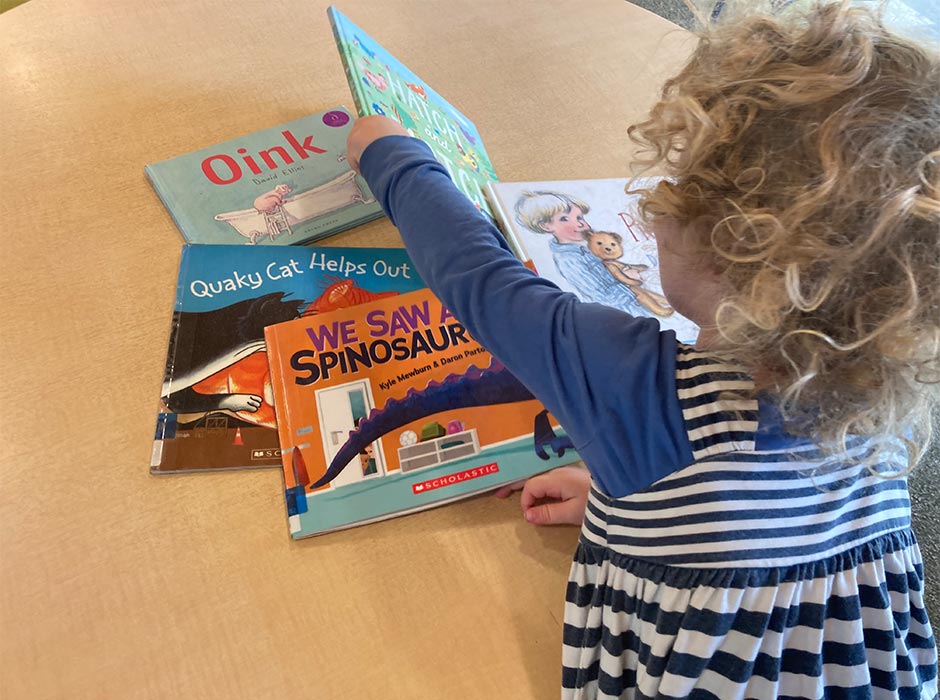
“By supporting children’s writers, we ensure new books are created that reflect and represent Aotearoa New Zealand, and that our children and young people can see themselves in the pages,” Dean of the College of Education, Professor Vivienne Anderson says.