
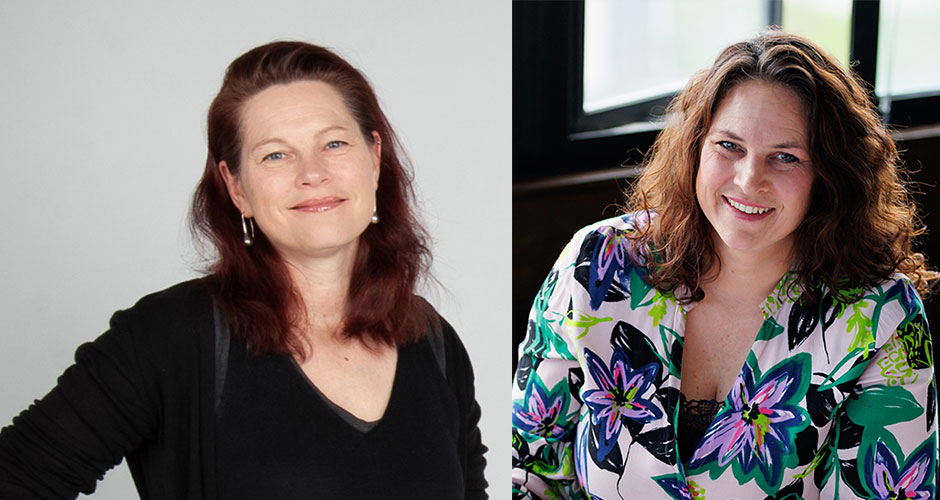
This year’s Otago Research Awards honour nine researchers and one research group across a range of disciplines. Pictured from left: Professor Anna Ranta, of the Department of Medicine, Faculty of Medicine – Wellington, who is this year’s recipient of the Distinguished Research Medal, and Associate Professor Christina Ergler, School of Geography, who has been awarded the Rowheath Trust Award and Carl Smith Medal.
From improving health outcomes and strengthening communities to exploring the frontiers of science and technology, University of Otago – Ōtākou Whakaihu Waka researchers are making an impact in Aotearoa New Zealand and beyond.
Their achievements have been recognised in this year’s Otago Research Awards, with nine researchers and one research group honoured for excellence across a range of disciplines.
Vice-Chancellor Hon Grant Robertson says the annual awards celebrate the extraordinary contributions Otago researchers make to communities in Aotearoa and around the world.
“I congratulate this year’s recipients who reflect the very best of Otago. Through their curiosity, innovation and commitment to improving lives, they are helping address some of society’s most significant challenges,” he says.
“Research excellence remains at the heart of Ōtākou Whakaihu Waka, and the achievements recognised through these awards demonstrate both the depth of expertise across our institution and the real-world impact of our research.”
Deputy Vice-Chancellor (Research and Innovation) Distinguished Professor Gregory Cook says the calibre of nominations for this year’s awards was exceptional.
“What really stands out among this year’s recipients is their commitment to ensuring their research makes a meaningful difference, whether through improving health outcomes, strengthening communities, informing public debate or advancing scientific understanding,” he says.
“It is particularly pleasing to be able to recognise researchers at different stages of their careers. From emerging scholars establishing themselves as future leaders to internationally recognised researchers at the forefront of their fields, the recipients showcase the depth and breadth of research at Otago.”
The Awards
Distinguished Research Medal
Professor Anna Ranta
Department of Medicine, Faculty of Medicine – Wellington
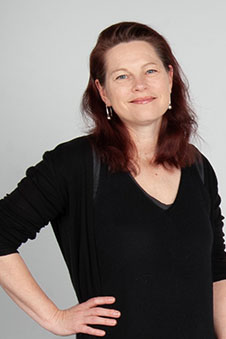
Professor Anna Ranta
The Distinguished Research Medal is awarded to Professor Anna Ranta from the Department of Medicine in the Faculty of Medicine – Wellington.
Anna is a stroke neurologist whose work has fundamentally changed the way stroke care is delivered in New Zealand and directly influenced practice worldwide.
In New Zealand, her development of telemedicine systems to enable specialist stroke expertise to be delivered remotely into provincial hospitals has dramatically increased the number of patients receiving urgent treatment to restore blood flow to the brain. Her work means people who would previously have died, or lived with severe disability, have instead survived and regained their independence.
She has played a critical role in identifying and addressing inequities in stroke care, with her work going beyond identifying gaps in outcomes and service provision for Māori and Pacific peoples and those in rural communities to improving care in those communities.
With stroke being one of the leading causes of death and long-term disability worldwide, Anna’s work represents one of the most significant and sustained contributions to improving the health and wellbeing of New Zealanders in recent decades.
Internationally she has helped build capacity for stroke diagnosis, treatment, and research in South Pacific countries, including in Papua New Guinea, Samoa, Vanuatu, Solomon Islands, Tonga and Fiji.
Anna says she is deeply honoured and humbled by this recognition from her peers.
“I am grateful not just for the recognition of myself but also for the incredible people and communities who have walked this path alongside me both within Aotearoa and across the globe.”
Of all her achievements, she is proudest of reducing inequities in stroke care access.
Anna is President-elect of the Australian and New Zealand Stroke Organisation and a board member of the World Stroke Organization, the global lead body for stroke.
Rowheath Trust Award and Carl Smith Medal
Associate Professor Christina Ergler
School of Geography
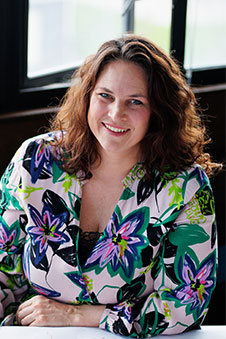
Associate Professor Christina Ergler
The Rowheath Trust Award and Carl Smith Medal is awarded to Associate Professor Christina Ergler, from Te Iho Whenua – School of Geography.
Through her research, Christina aims to contribute to fairer, healthier and more liveable communities.
“I aspire to creating communities, cities and institutions where people of all ages, abilities and socio-economic and cultural contexts can flourish and actively participate in shaping more equitable, sustainable and caring futures,” Christina says.
Her research into wellbeing, care, mobility and urban transformation examines how inequalities affect people’s daily lives and how places can better support wellbeing, belonging, participation and inclusion.
Christina has gained international recognition for her research. Her achievements include more than 90 widely recognised publications, the Royal Society of New Zealand Early Career Research Award, an Honorary Associate Professorship at the University of Nottingham, and Marsden funding.
Her research is recognised not only for its findings but also the unique methodologies she has developed to undertake it, which are described as innovative, ambitious, and robust.
Central to her work is ensuring that the voices of groups who are often overlooked are heard and valued.
“Bringing the perspectives of often-overlooked groups into discussion ensures a wider range of experiences, knowledge and expertise are considered,” Christina says.
One of these groups is children and young people. Christina’s research challenges assumptions that pre-schoolers can’t meaningfully contribute to research on urban development. She has developed creative ways for them to participate in urban design debates and provide valuable insights that inform design decisions.
“Their voices remind us that young children are not just passive and dependent users of urban environments; they are active participants in shaping them,” Christina says.
Through her research, Christina develops practical solutions and works with communities, policymakers, practitioners, and decision-makers to ensure these findings are translated and applied.
Christina says this award is both a tremendous honour and a humbling experience.
“While the award recognises my research, I see it as reflecting the collective effort of many people who have shaped and supported this work over the years.
“I’ve been fortunate to work with wonderful colleagues and friends whose support, encouragement and critical conversations have continually challenged me to think differently and ask new questions.
“I am also deeply grateful to the research participants and communities I’ve worked with who have generously shared their time, experiences, expertise and hopes.”
Māori Early Career Award for Distinction in Research
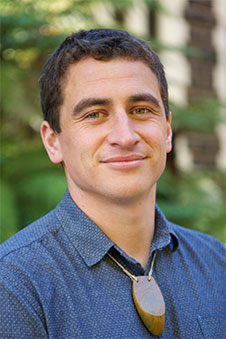
Dr Hitaua Arahanga-Doyle
Dr Hitaua Arahanga-Doyle
Department of Psychology
Hitaua (Ngāi Tahu, Te Ati Haunui-a-Pāpārangi) is a Lecturer in the Department of Psychology. His research focuses on the field of social psychology, linking elements of core Māori values, such as whanaungatanga, with contemporary social psychological theories, such as belonging and social identity. His further fields of study have examined adolescent resilience, self-esteem, and cultural understandings of identity.
The Fulbright Graduate Award recipient is notable not only for his own work, but also for his support for other Māori and Pacific researchers through his leadership in He Paiaka Tōtara – Māori Psychologist’s Network, Te Poutama Māori – the University of Otago Māori Academic Staff Collective and Ngā Ngaru a Kiwa, an indigenous research group of psychologists from universities around the Pacific.
Tofā Sāili Pacific Early Career Award for Distinction in Research
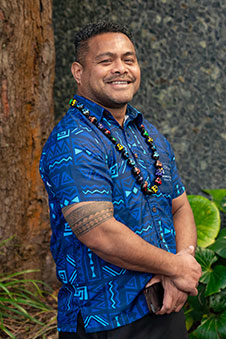
Dr Maiono Jekope Ramala
Dr Maiono Jekope Ramala
Department of Management
Jekope is a lecturer in the Management department whose research centres on Indigenous Fijian knowledge, sustainable development, and climate resilience across Pacific communities.
His work explores how culturally grounded research methods can reflect iTaukei ways of knowing in responding to climate change, land development, and sustainable livelihoods.
Using interdisciplinary research brings together his management, social science, and business perspectives. This includes research on Recognised Seasonal Employer workers and their use of hazardous substances, and using marine science to explore sustainable approaches to farming coconut crabs.
Altogether, Jekope focuses on research accountable to communities and supports practical outcomes for Pacific peoples.
Early Career Award for Distinction in Research
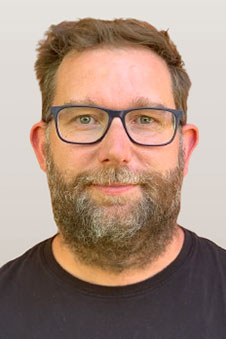
Dr Nicholas Bowden
Dr Nicholas Bowden
Department of Paediatrics and Child Health
Nick is a quantitative social scientist whose work has established him as one of Aotearoa New Zealand’s leading experts in the use of linked whole-of-population administrative data for health and social research.
His research programme integrates health, education, justice, disability and social development data to examine lifecourse outcomes among children and young people, particularly those with neurodevelopmental and mental health conditions, and chronic health needs.
Nick leads multidisciplinary research programmes at Otago, while also contributing to Māori, Pacific and disability-led research. He collaborates extensively with researchers across Aotearoa and internationally, including through longstanding research programmes with Harvard University and Brown University.
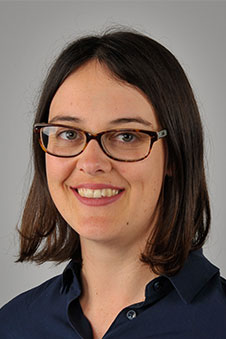
Dr Elinor Chisholm
Dr Elinor Chisholm
Department of Public Health
Faculty of Medicine – Wellington
Elinor is a senior research fellow in the Housing and Health Research Programme where her work has generated new knowledge on the mechanisms through which housing conditions, tenure, and insecurity influence New Zealanders’ physical and mental health.
Her research examines lived experiences of housing, and the policy and regulatory settings that affect these, with the aim of informing policies and interventions that improve housing conditions, strengthen social connectedness and reduce health inequities.
She is currently investigating employer-provided housing, funded by a Marsden Fund Fast-Start grant awarded in 2023. On an international level, she has worked with the World Health Organization on the development of the WHO Housing and Health Guidelines.
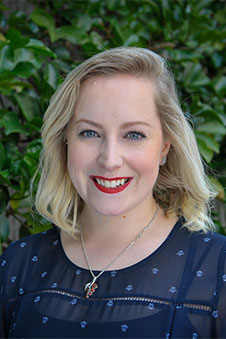
Dr Kathryn Hally
Dr Kathryn Hally
Department of Surgery and Critical Care
Faculty of Medicine – Wellington
Kathryn is a translational research scientist working to build a detailed picture of immune system response with a spectral flow cytometer, which uses lasers to analyse individual blood cells stained with fluorescent dyes.
She has partnered with clinicians to develop a rapid testing platform which could give surgeons a guide to which of their patients are more likely to suffer complications after surgery – and which could also be used by ED doctors to discover whether a patient’s infection is more likely to be caused by a bacteria or a virus.
She is the only New Zealand scientist ever to have been awarded a prestigious International Society for Advancement of Cytometry (ISAC) Marylou Ingram Scholarship.
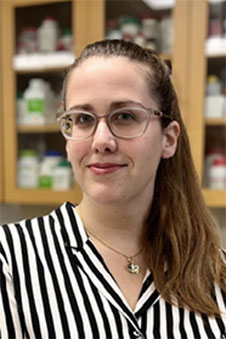
Dr Leah Smith
Dr Leah Smith
Department of Microbiology and Immunology
Leah is a Research Fellow in the Department of Microbiology and Immunology, working on a Marsden Fast-Start Grant project to improve the efficacy of bacterial viruses (phages) as therapies against bacteria associated with antibiotic-resistant infections.
An emerging leader in bacterial genetics and functional genomics, Leah has had multiple publications in leading journals and shown exceptional success in securing competitive funding and fellowships early in her career.
Winning the prestigious 2024 L’Oréal-UNESCO For Women in Science Young Talent Fellowship enabled her to visit collaborators in Europe to learn critical new techniques and expand her international research network.
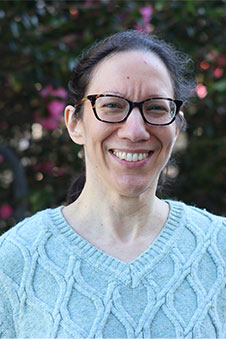
Dr Ana Stojanov
Dr Ana Stojanov
Department of Psychology
Ana is a Senior Lecturer in the Centre for Science Communication. Her research sheds light on some of the most relevant and challenging issues of our time: conspiracy beliefs, academic misconduct, and human-AI interaction.
She has published work on a range of topics, including the psychological underpinnings of conspiracy beliefs and the potential of generative AI in education and research.
Her citation metrics reflect growing international interest: her 23 peer reviewed articles have been cited over 1000 times, more than 2.5 times the world average.
She is currently examining whether Large Language Models can be used in research to complement human data.
Research Group Award
International Dental & Oral Health Education Innovation Group
Led by Professor Andrew Tawse-Smith, and Senior Lecturers Hanna Olson and Samuel Carrington
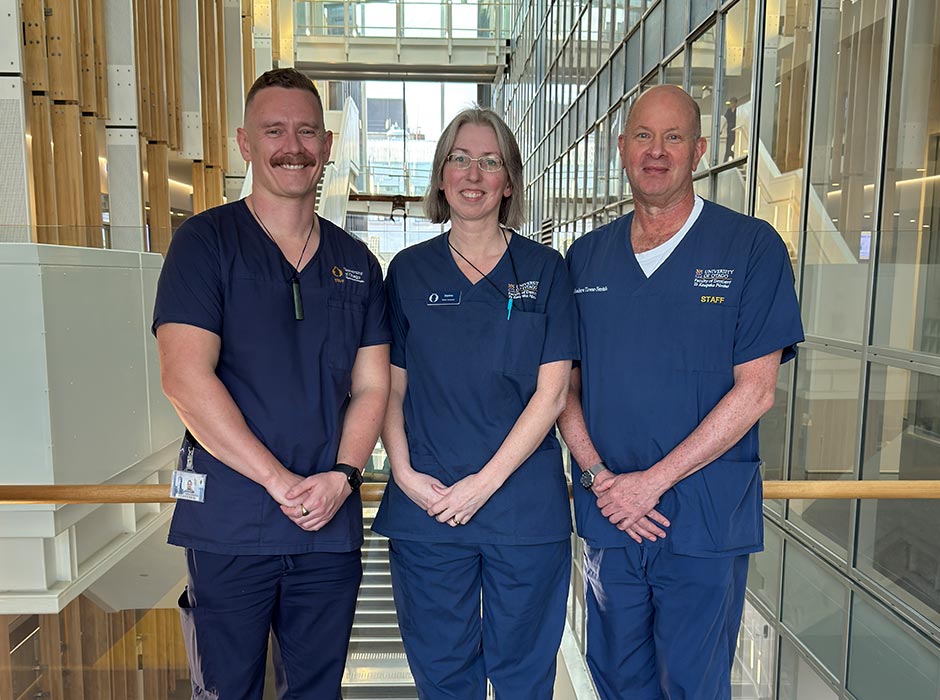
The Research Group Award went to the International Dental & Oral Health Education Innovation Group, led by Professor Andrew Tawse-Smith, pictured right, and Senior Lecturers Samuel Carrington and Hanna Olson.
This Faculty of Dentistry research team worked with several world-leading dental schools and educational organisations to develop state-of-the-art online teaching resources for students in dentistry and oral health programmes.
Comprised of Professor Andrew Tawse-Smith, and Senior Lecturers Hanna Olson and Samuel Carrington (Te Arawa, Ngāti Whakaue, Ngāti Hurungaterangi), the team developed virtual reality e-learning materials covering foundational dentistry concepts.
This work was done alongside Karolinska Institute’s Department of Dental Medicine (Sweden), the University of Leuven’s Oral and Maxillofacial Surgery Centre (Belgium), and Atlas Education (England).
Results from undergraduate dental and oral health therapy students indicated an increased knowledge when the tools were used during their pre-clinical sessions.
Research at Otago
Globally significant, regionally responsive research excellence at Otago. Hiranga ā-ao, aronga ā-rohe, kounga ā-rangahau
More about our research