
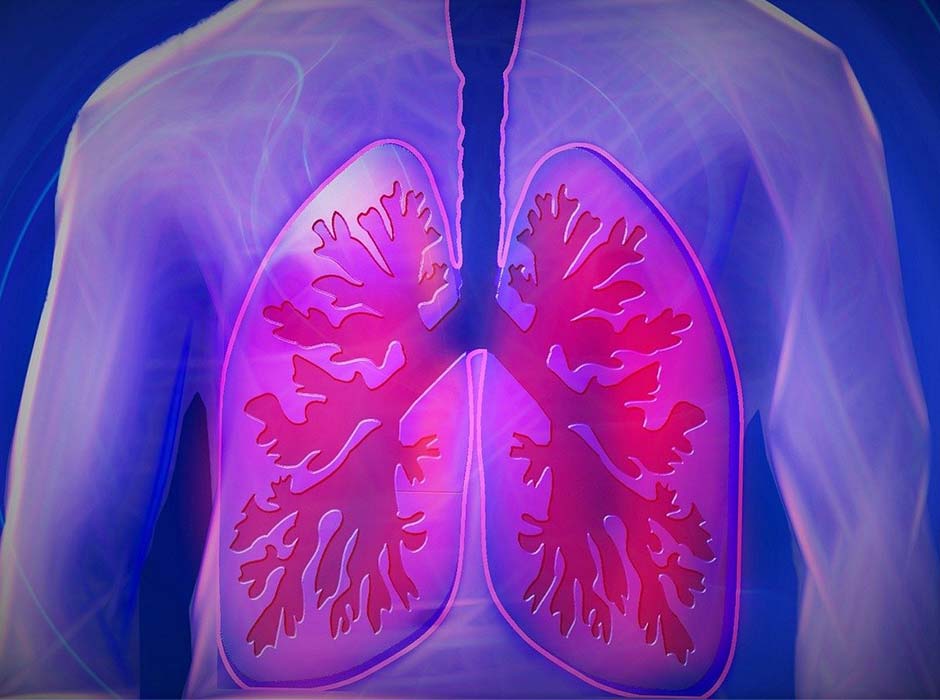
Global collaboration is crucial to the work of Otago kaimahi researching tuberculosis .
World Tuberculosis (TB) Day – 24 March – is a good reminder that Aotearoa has a part to play in efforts to end the global TB epidemic, and Otago researchers are heeding the call.
Tuberculosis, a progressive lung disease caused by a slow-growing bacterium, kills more people annually than any other single infectious cause. The disease progresses so gradually, over years or decades, that it brings none of the drama of acute infections like Covid-19 or Ebola. In New Zealand, there are approximately 300 cases of TB diagnosed each year.
Despite plaguing humankind for thousands of years, TB remains one of the most serious global infectious threats; it is difficult to diagnose, antibiotic resistance is on the rise, and the only vaccine to prevent this disease in adults is not very effective.
Department of Microbiology and Immunology Head Associate Professor Jo Kirman says that although this may be seen as a global problem, it also affects New Zealanders.
Transformative University of Otago - Ōtākou Whakaihu Waka studies are supporting global and local TB research efforts, Jo says.
“The research is making a difference, both globally and for the people of Aotearoa.”
Funded by Te Niwha Infectious Diseases Platform, a group of collaborative, internationally recognised TB-research leaders are focusing on four research streams – TB diagnosis and prevention, public health measures, vaccinations, and improving treatment options for antimicrobial-resistant organisms.
These Health Sciences researchers have been working with Māori and Pacific communities to understand and address how the disease disproportionately affects them.
- Associate Professor Htin Lin Aung and Professor James Ussher (Department of Microbiology and Immunology) are helping reshape how TB is detected, understood, and addressed across the Pacific and Aotearoa New Zealand, with a focus on improving outcomes for communities most affected by the disease. Guided by a “with-Pacific-for-Pacific-by-Pacific” approach, their work focuses on strengthening technical capacity and supporting the next generation of Pacific researchers and leaders, while fostering sustainable expertise that connects regional research with TB challenges in Aotearoa.
- Associate Professor Jo Kirman (Department of Microbiology) and her team have been studying vaccine protection against TB, to decipher why some strains of the bacteria that cause TB appear resistant to the only vaccine that is currently available. They have found that some strains of the bacteria are able to modulate and disarm the vaccine-induced immune response, which allows certain strains to survive and thrive even in vaccinated individuals.
- Dr Matthew McNeil (Department of Biochemistry) and his team have been developing an artificial intelligence framework to combat antimicrobial resistance.
- The research of Dr Sue McAllister and Professor Philip Hill (Centre for International Health) is integrating economic, social network analyses, and whānau hauora assessment for Māori with TB in the Waikato region to inform a new Māori model of care for TB elimination.
Other current Otago research projects are looking at ways of improving TB drug and vaccine development, and understanding drug resistance and immunity.
- Professor Shyamal Das (School of Pharmacy) is investigating inhalable formulations of TB drugs for direct to lung delivery.
- Associate Professor Allan Gamble (School of Pharmacy) is studying TB drug development.
- Professor Kurt Krause (Department of Biochemistry) is investigating TB physiology and drug development.
- Professor Phillip Hill’s project covers clinical investigations of TB .
- Distinguished Professor Greg Cook is investigating TB physiology efforts to end the global TB epidemic and drug development.
- Kōrero by Claire Grant, Communications Advisor, Faculty of Biomedical Sciences