
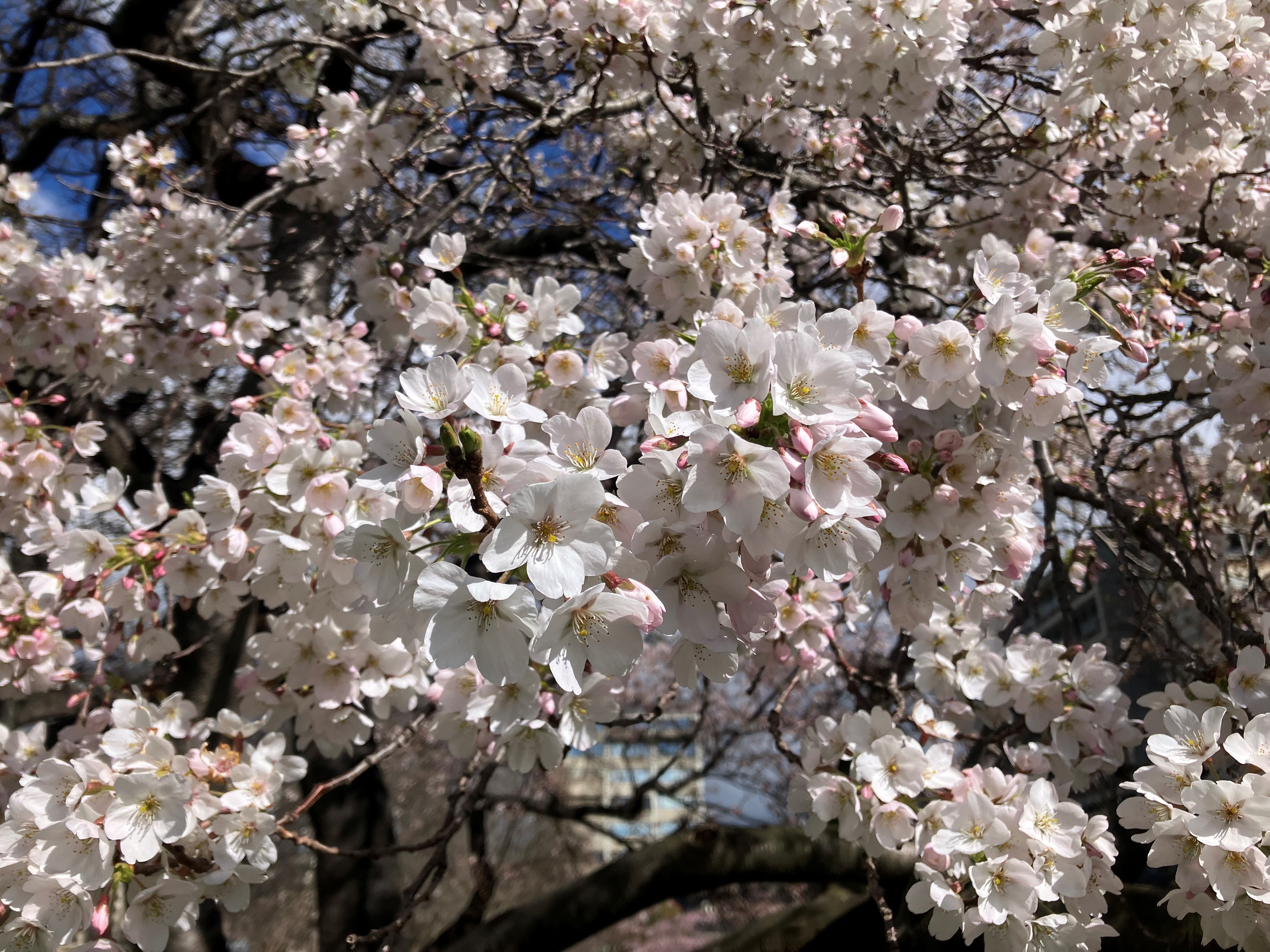
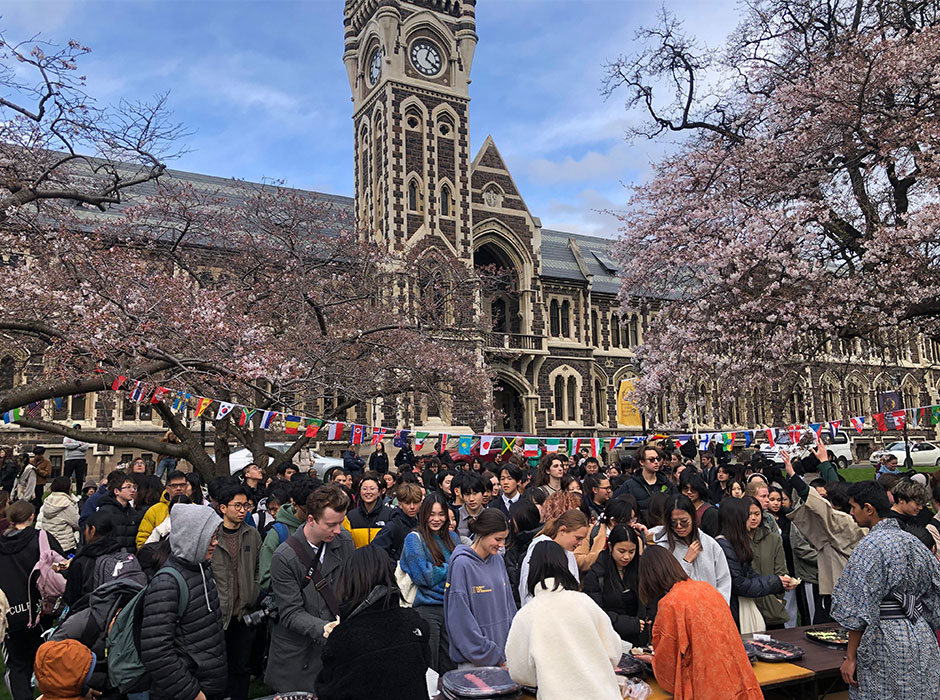
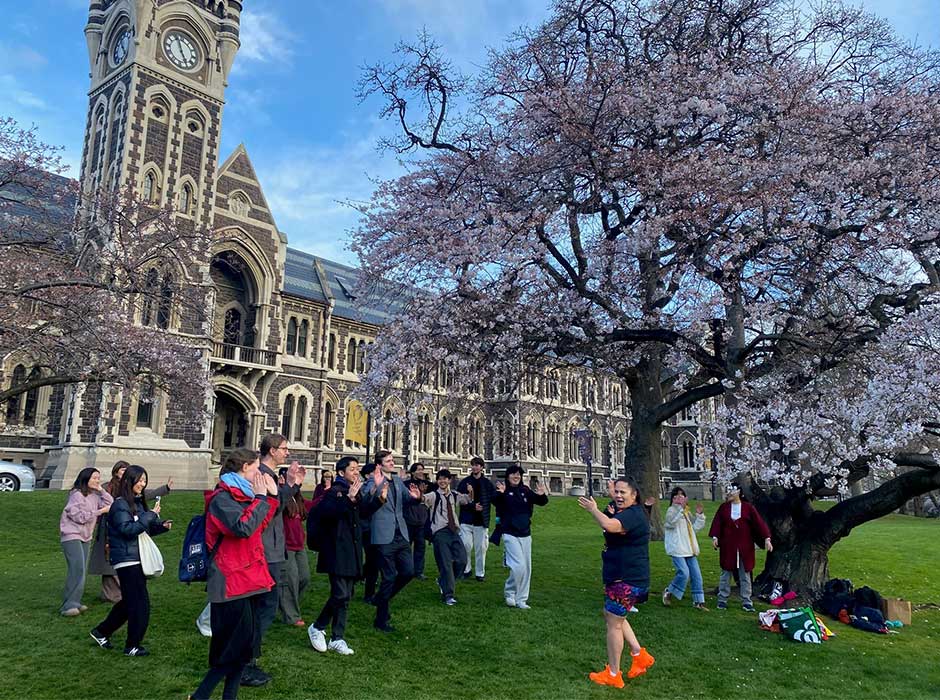
The flowering blossom trees on the Clocktower lawn were the cause for celebration last Wednesday. More than 100 people came together to celebrate Hanami, a traditional Japanese custom that sees people enjoying the temporary nature of the blooms.
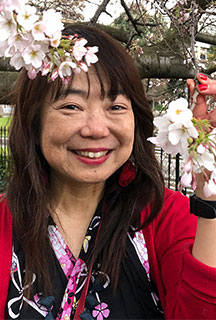
Hanami organiser Haruko Stuart
The cherry blossoms were the guests of honour on Wednesday when more than 100 people gathered to mark Hanami on the Clocktower lawn.
Hanami - the traditional Japanese custom of enjoying the temporary beauty of flowers, most often cherry blossoms – has been marked at Otago for almost 15 years.
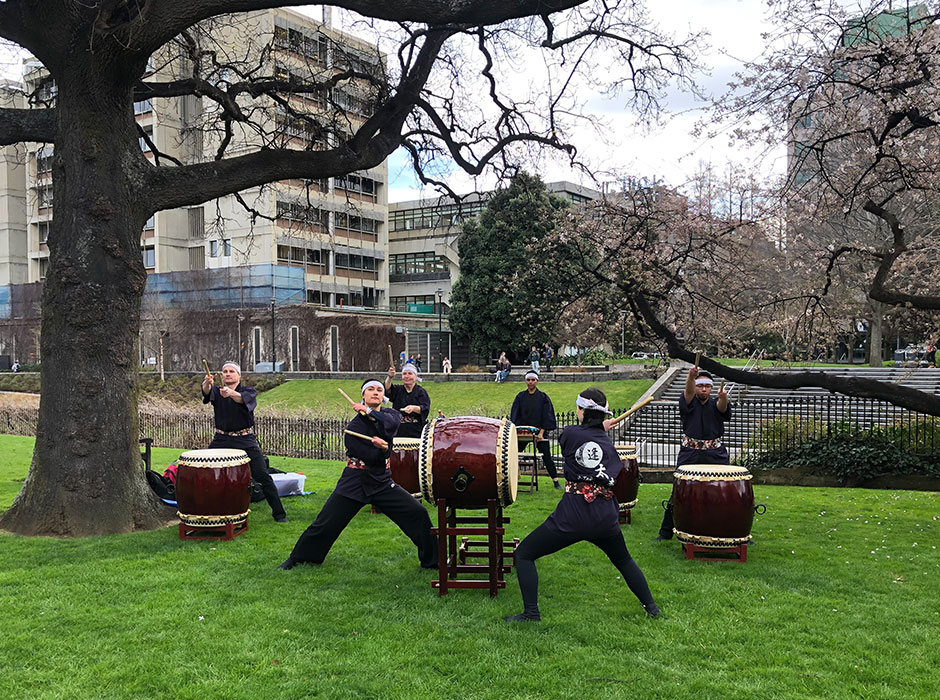
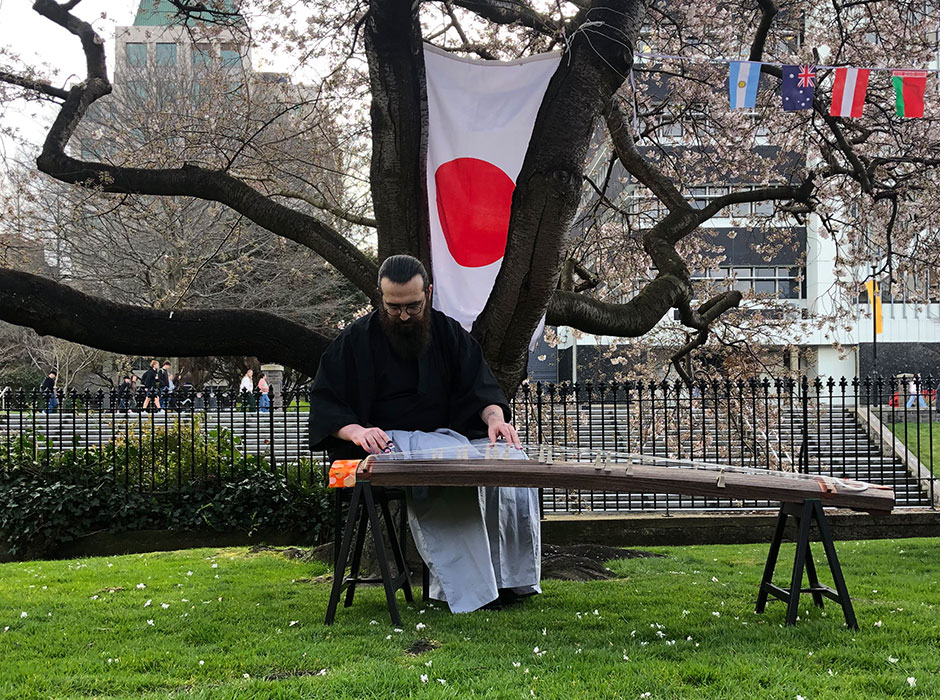
This year, attendees from the University were joined by local high school students for a show of Taiko drums and a Koto – a stringed instrument – followed by sushi and zumba.
Haruko Stuart, a Japanese Senior Teaching Fellow in the Languages and Cultures Programme, organises the annual event to promote the importance of cultural exchange and language learning.
“Hanami is a very big deal in Japan. Everybody goes to a park, everybody goes to places where they can see cherry blossoms,” she says.
“Even at night the Sakura cherry blossoms are very beautiful … people have fun because everything starts in Spring in Japan.”
Hanami has been celebrated by Otago University since 2010, but has been celebrated in Japan since the 8th century, Haruko says.
Initially it was enjoyed only by aristocrats, but by the 12th century – the Samurai era – samurai started to also appreciate the event, and warriors were inspired to live like the blossoms.
“The blossom flowers bloom gracefully, and then they wither gracefully. It’s a metaphor for life. Life is short, so enjoy that transience and impermanence.”
By 17th century – the Edo era – commoners were also partaking in the celebration, she says.
“So it’s a very long history.”
Languages and Cultures
Become a global graduate. It's more than just speaking another language – it's understanding the depth and complexity of other cultures.
View