
Organisers of Aotearoa New Zealand’s first course on procedural sedation and analgesia for rural medical professionals hope it will enable rural people to get the care they need closer to home, whānau and whenua.
The University of Otago – Ōtākou Whakaihu Waka Rural Health Academic Centre Ashburton (RHACA) is launching a simulated procedural sedation and analgesia (PSA) in the rural context course later this month.
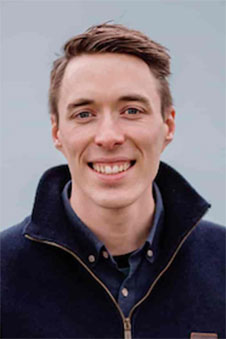
Dr Jack Haywood
Course Director Dr Jack Haywood says it is the first time such a course has been offered in Aotearoa.
“It will enable participants to increase their clinical competence and courage when performing PSA in their specific rural setting,” he says.
PSA involves the planned and controlled delivery of sedating medications to adults or children, facilitating patient comfort and cooperation during potentially painful procedures.
“This helps avoid the need for deeper general anaesthesia, which is typically delivered in operating theatres by specialist anaesthetists.
“In the rural context, we hope it will prevent transfers to urban centres, allowing increased access for care closer to home, whānau and whenua, with the potential to decrease rural-urban health inequities. For rural patients, this could mean less time and financial costs incurred to them to receive the care they need.”
RHACA director Dr Chris Hill says procedural sedation and the space where acute medicine and anaesthesia collide, has been evolving over the last 20 years.
“With better evidence around techniques, drugs and the use of technology it made sense to bring everything together in a rurally delivered and contextually appropriate course.
“This course will allow rural practitioners to safely and confidently deliver procedural sedation. Thus, delivering better patient outcomes and keeping patients closer to home, rather than referring to a larger hospital for help."
The course is aimed at both rural hospital doctors and nurses.
RHACA rural nursing lecturer Karly Burrowes says rural nurses are a vital part of the procedural sedation team.
“Being able to learn and practise alongside rural doctors in realistic simulation scenarios helps build confidence, strengthen teamwork and ensure patients can receive safe, high-quality care, no matter where they live,” she says.
Dr Haywood says expressions of interest for the first course, which runs next week with attendees from across the motu, have been significant.
“The course definitely seems to be tapping an unmet need from rural health professionals,” he says.
Dr Nina Stupples, of the West Coast, says the course will boost her confidence.
"It will be great to learn from experienced rural clinicians and to have the opportunity to practice scenarios in a safe environment that simulates rural settings.”
Similarly, Dr Natalie Reid, of Wairoa, is looking forward to learning procedural sedation in a safe, structured and controlled way.
“I haven’t had any opportunities to do this in my working career so far, but I feel it’s such an important skill to have as a rural hospital doctor.”
About RHACA
RHACA is a collaboration between the University of Otago, Health New Zealand |Te Whatu Ora, Advance Ashburton Community Foundation, and Mackenzie Charitable Foundation. It is part of the University of Otago's Centre for Rural Health.
Located within Ashburton Hospital, RHACA is a physical and virtual hub for inter-professional rural-health training and research. It focuses on rurally relevant education, research, clinical skills, and simulation.
Funding from the Advance Ashburton Community Foundation and the Mackenzie Charitable Foundation is helping support academic posts and student training within the Centre. This includes supporting Dr Haywood’s PhD work, which includes development and evaluation of this course.