
Training doctors for rural practice is important, but on its own is not enough to help reduce health inequities for people living in rural areas, University of Otago – Ōtākou Whakaihu Waka researchers argue.
Associate Professor Katharina Blattner, of the Centre for Rural Health, says people living in rural areas have worse health outcomes than those living in urban areas, with disparities accentuated for Māori.
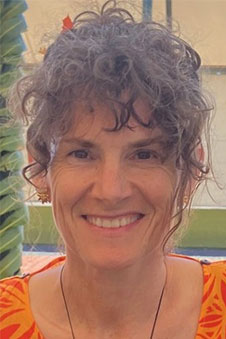
Associate Professor Katharina Blattner
“Rural health services have experienced decades of under investment, continual workforce shortages and progressive service erosion.
“Establishing vocational rural medicine pathways and rural academic leadership has been essential to workforce sustainability and disciplinary legitimacy.
“However, broader support for rural-based research, academic leadership and teaching capacity is needed to strengthen rural medicine, improve its long-term sustainability and help reduce health inequities for people living in rural areas,” she says.
In a study published in the New Zealand Medical Journal, she and fellow Otago researchers reviewed the past 30 years of rural medicine literature on postgraduate clinical training and academic activity in Aotearoa New Zealand.
The aim of the study was to help inform both current and future developments of the discipline.
The researchers identified three themes within the pieces analysed: early development of rural medicine; establishing rural-specific postgraduate training; and the development of rural medicine as an academic discipline.
There were also repeated calls for change.
“The literature shows a long-standing push for rural medicine to be recognised as its own medical speciality, along with calls for training programmes after medical school that better prepare doctors to work in rural communities,” Associate Professor Blattner says.
“It also highlights the importance of supporting rural-based research, academic leadership and strong partnerships between health services, universities and local communities.”
While Rural Hospital Medicine vocational training has strengthened the rural workforce through innovative, rurally focused education, a dedicated rural general practice training pathway remains a significant gap.
Fragmented funding, limited integration of training across primary and secondary care, and the lack of a rural general practice pathway continue to constrain the development of rural medical generalism across both general practice and rural hospital medicine.
Rural health services and communities also rely on rural-specific research and its translation by rural health academics to inform and guide health systems, service delivery, education and population health needs.
“This integration of clinical practice and academic activity is essential. However, rural medicine academia remains under-developed in New Zealand with limited rural-centred infrastructure, senior academic leadership and research capacity.”
Any changes that need to be made must be grounded in strong rural community engagement and focussed on reducing persistent rural and Māori health inequities.
“Only then will we start to see the poorer health outcomes of those living in rural areas start to change,” Associate Professor Blattner says.
Publication details:
Rural medicine in Aotearoa New Zealand: a narrative synthesis of the literature with a postgraduate focus
Katharina Blattner, Lynne Clay, Rory Miller, Garry Nixon, Tim Stokes
New Zealand Medical Journal
2026 Sep 25; 139(1642). ISSN 1175-8716 https://www.nzmj.org.nz/