
How health is defined, measured and addressed by Indigenous communities doesn’t match Western frameworks, leaving health systems to fall short when caring for vulnerable communities, a University of Otago – Ōtākou Whakaihu Waka-led study has found.
Lead author Laura Gemmell-Sinnott (Ngāti Kahungunu, Ngāti Tūwharetoa, Raukawa, Ngaruāhine, Waikato), PhD candidate in Kōhatu Centre for Hauora Māori, says how health systems set priorities, and the definitions used to do so, need to be challenged and reorientated.
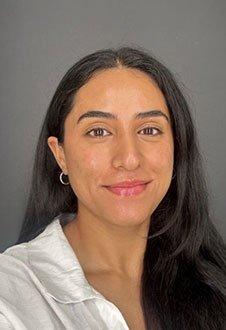
Laura Gemmell-Sinnott
“The World Health Organisation’s definition of health – a state of complete physical, mental and social well-being, not just the absence of illness – is the most internationally influential framework governing how health systems are designed, funded and evaluated.
“The definition hasn’t changed in 80 years, but the global understanding of the burden of disease has transformed, the evidence base for structural determinants of health has grown substantially, and international human rights frameworks have been reoriented toward self-determination.
“It also doesn’t reflect how Indigenous peoples define and view health. Indigenous peoples have their own knowledge systems, ways of thinking, priorities, and needs, and our health systems don't account for them well, which has serious implications for equity,” she says.
The study, published in SSM - Qualitative Research in Health, explored how Indigenous peoples in Aotearoa, Australia, Canada, mainland US and Hawai’i define health.
Five themes were identified: holistic wellbeing, cultural knowledge, connection to land, relationships, and self-determination.
“These themes demonstrate that Indigenous understandings of health are distinct knowledge systems, with depth and breadth, and need to be recognised as such.
“Colonisation still shapes the knowledge systems that our health care approaches are built on. We need to move beyond that and build genuine partnerships that work in Indigenous communities' interests, as they are still impacted by that history.”
She would like to see health frameworks which are community and culturally driven, to best support Indigenous self-determination and drive more sustainable, culturally responsive health solutions.
“In practice, this means health systems need to move beyond clinical measures of health and develop culturally driven indicators which reflect what Indigenous people themselves identify as central to their wellbeing.
“This is not about whose knowledge is more valid, but a recognition that not all peoples understand or experience health and wellbeing through the same lens.”
She believes there is an opportunity for health systems to support Indigenous communities to determine health for themselves.
“The importance of health equity has long been recognised, yet Indigenous populations continue to experience persistent and preventable health inequities. Closing this gap requires systems that are genuinely built with, and accountable to, the communities they serve.
“I would like to see Indigenous peoples leading the representation, partnership and decision-making about health care for their own communities. How can we make fair and accurate decisions about communities we don't fully understand?
“Meanwhile, health care systems should explore and implement mechanisms that enable individuals, communities, and populations to define health on their own terms, driven by their knowledge systems, belief systems, and lived realities.”
She also sees the research applying beyond Indigenous groups.
“It reminds us that cultural, ethnic and community groups around the world view health in different ways. Current approaches in New Zealand and in many jurisdictions may not be as equipped to meet health needs as we think.”
Publication details:
How do Indigenous peoples define health? A systematic review of definitions across Aotearoa New Zealand, Australia, Canada, and the United States
Laura Gemmell-Sinnott, Miriam Laugesen, Robin Quigg
SSM - Qualitative Research in Health