
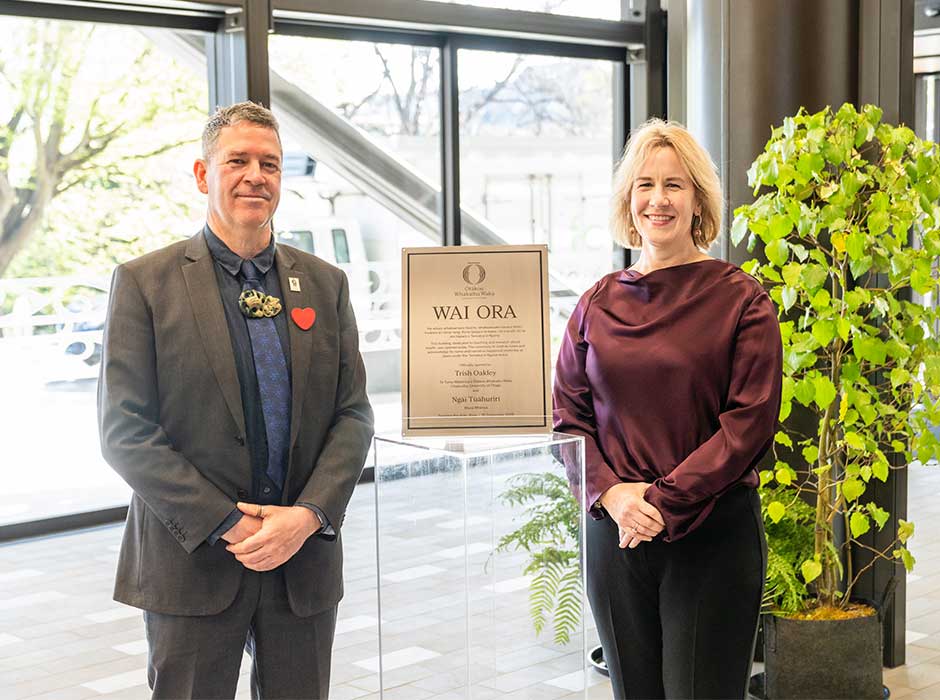
Te Marino Lenihan and Chancellor Trish Oakley with the Wai Ora opening plaque.
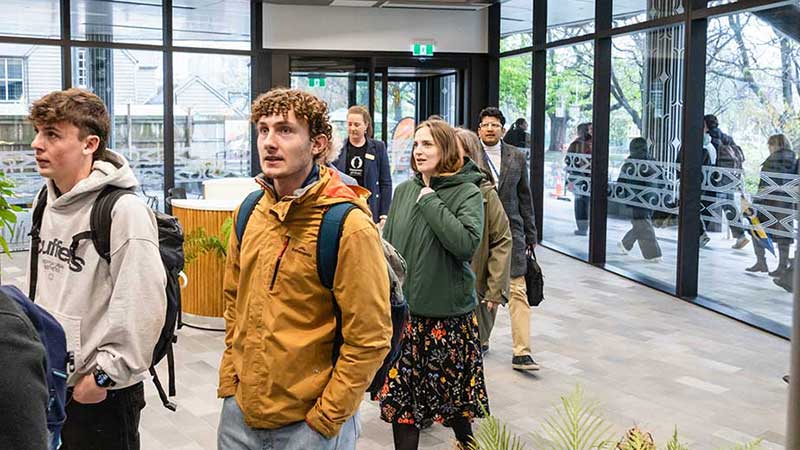
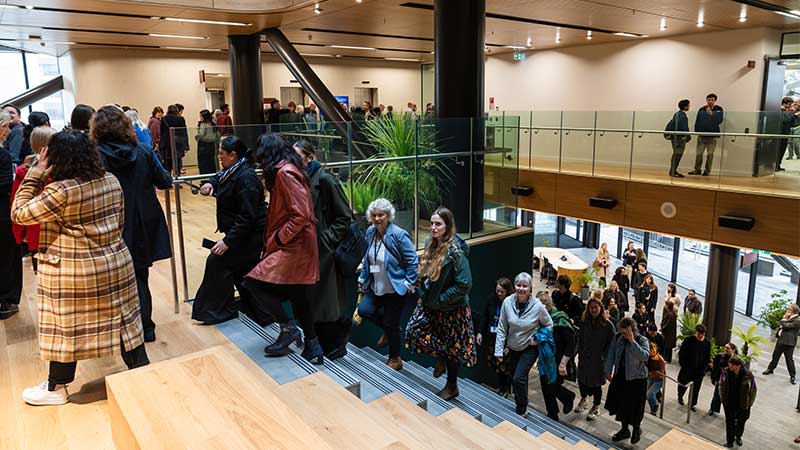
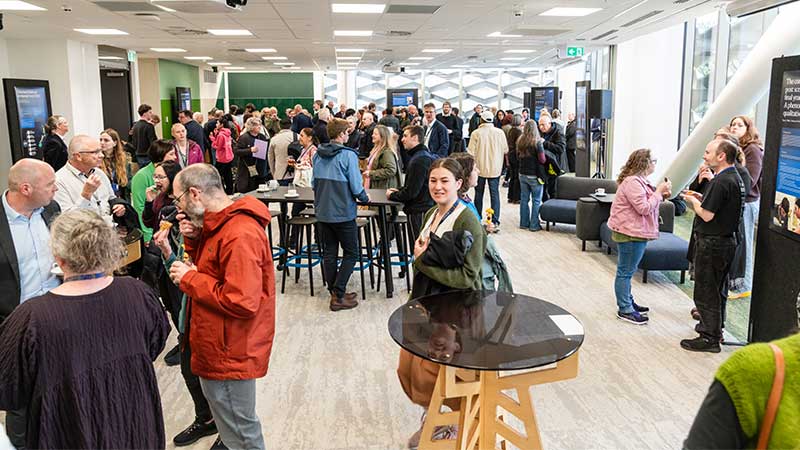
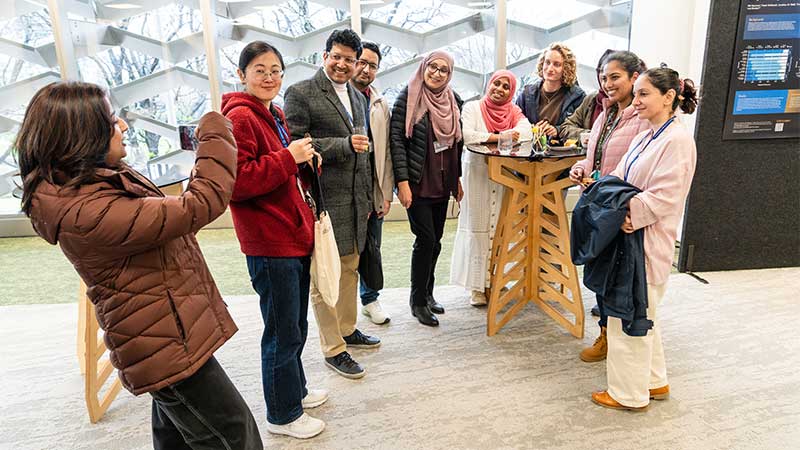
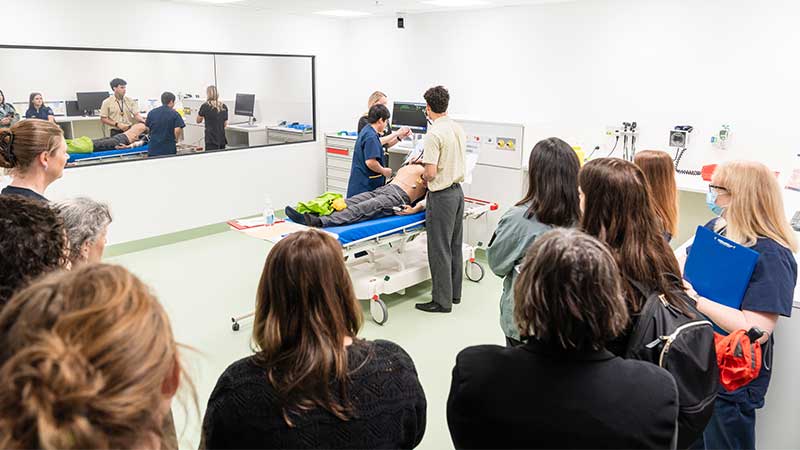
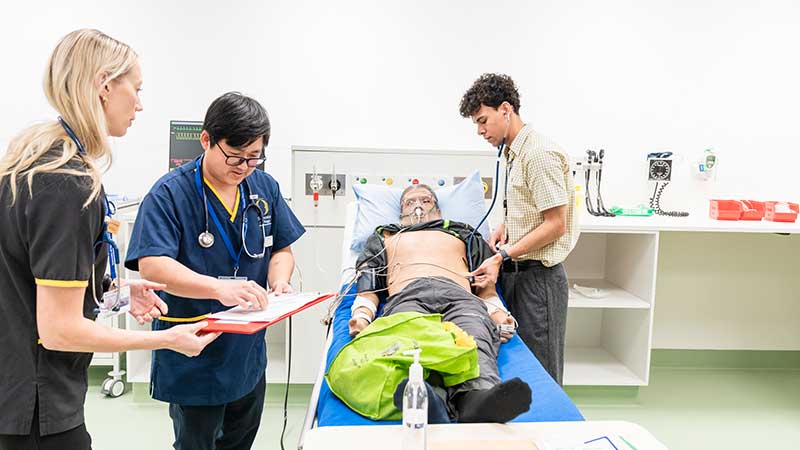
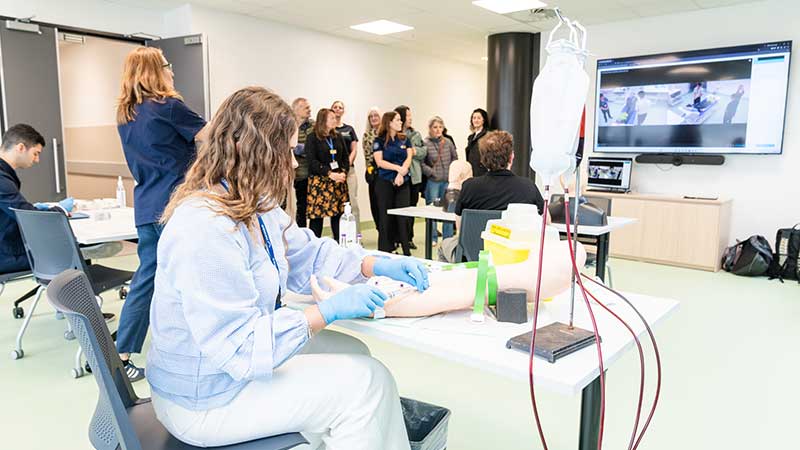
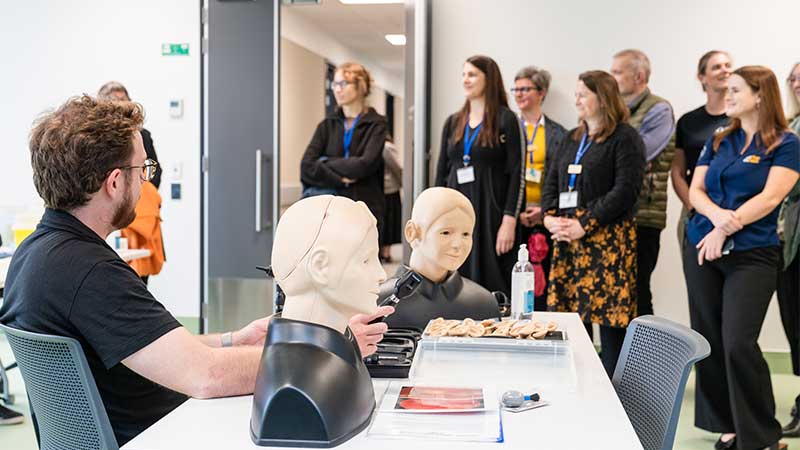
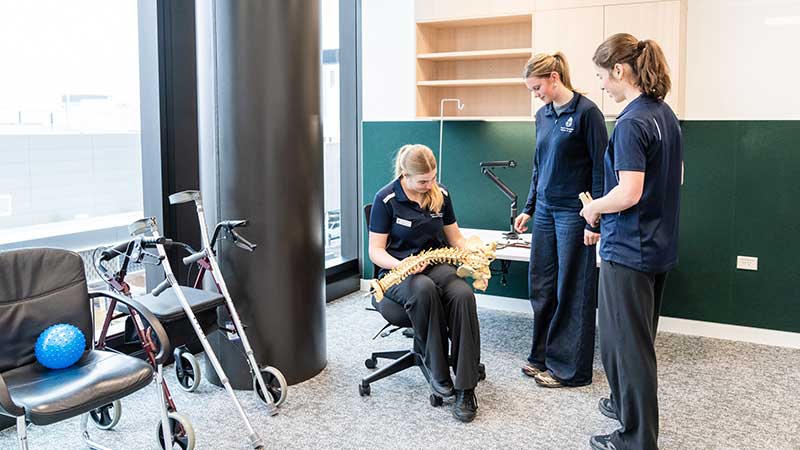
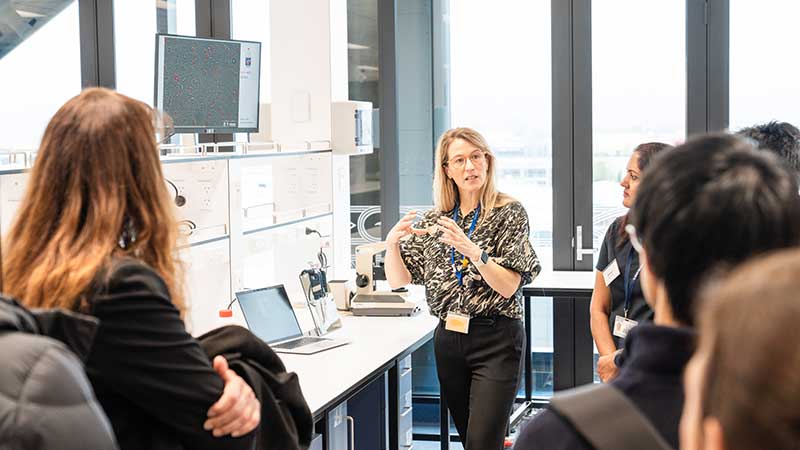
Last week the University of Otago - Ōtākou Whakaihu Waka held opening ceremonies for Wai Ora, a transformative facility that will significantly expand health research, clinical trials, and health professional education in Ōtautahi Christchurch.
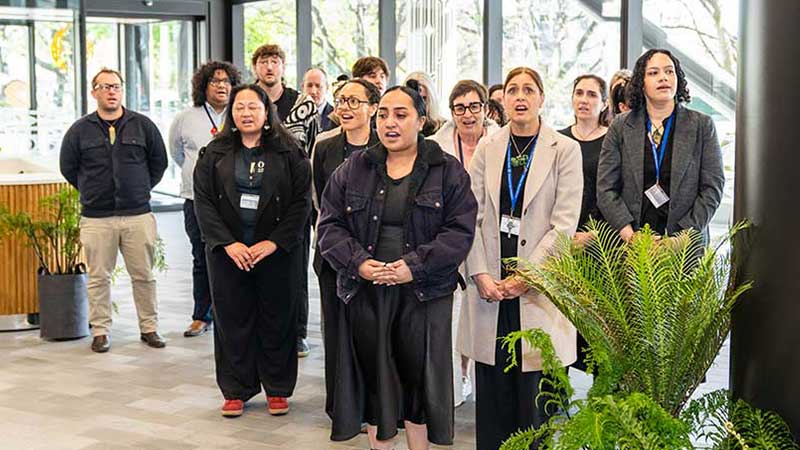
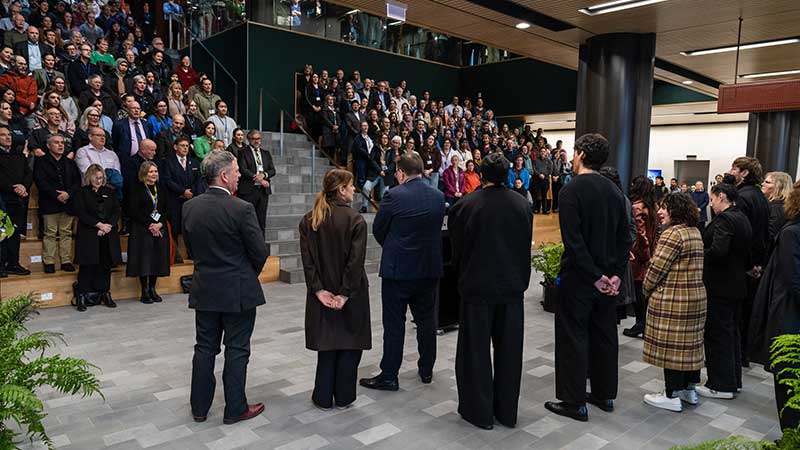
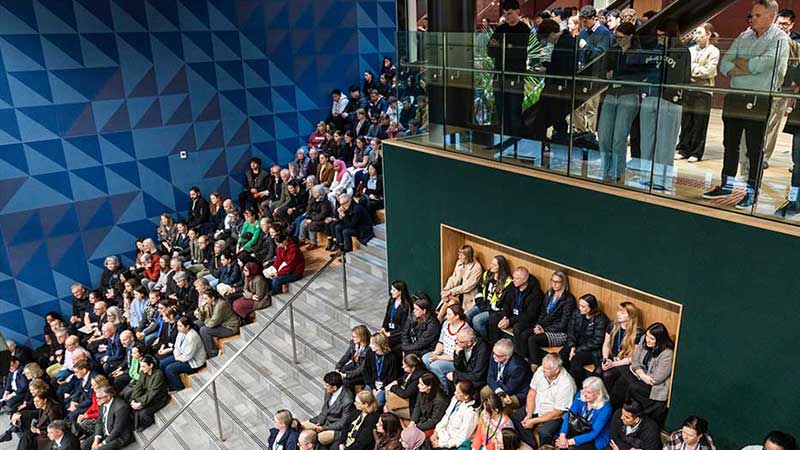
During the week a wide range of ceremonies were held including the whakawātea, staff and student welcomes, alumni tours, a Court of Benefactors event, and various media tours.
University Chancellor Trish Oakley says Wai Ora is the largest and most ambitious capital development in the University’s history.
“But even more importantly, it is a facility designed to support the future of health education, research and clinical collaboration.
“Universities exist to expand knowledge, but they are also called upon to ensure that knowledge creates real-world impact.
“Wai Ora has been designed with that purpose at its heart,” she says.
Vice-Chancellor Grant Robertson says the University is very proud of its more than half century presence in the city.
He says the new facility will bring most of the faculty and students together on one site for the first time since the Canterbury earthquakes.
“This project spans multiple Vice-Chancellors, Pro-Vice-Chancellors, Deans and other campus leaders, and many others have contributed to the project in their own way.
“The students who will study at Wai Ora 50 years from now haven’t even been born yet and when they are they will have no idea who came before them. Yet we have a responsibility to create the best possible environment for them.
“Wai Ora will become known not simply as an exceptional building, but as a place where knowledge is shared, partnerships are strengthened, future health professionals are formed, and research makes a tangible difference to the lives of whānau and communities,” he says.
Faculty of Medicine Head Professor Suzanne Pitama says the building’s name, Wai Ora (water of life), was gifted by Ngāi Tūāhuriri. Reflecting the connection between the environment, health and wellbeing, the cultural narrative woven throughout the building draws on themes of whakapapa, hauora and interconnectedness.
Professor Pitama says the purpose of a cultural narrative within a building is not simply to tell a beautiful story, nor to provide inspiration for its artworks and design.
“A cultural narrative locates a building within the whakapapa of its whenua and its people. It reminds us that the place in which we stand had a history, an identity and a mauri long before this building was imagined.
“It asks us to know where we are, to remember those who came before us and to recognise the knowledge and responsibilities we have inherited.
“Every building begins in a place that cannot yet be seen. It begins as an aspiration, an idea, a possibility held in the minds and hearts of people. Gradually, through vision, persistence and collective effort, its form emerges.”
She says Wai Ora is a place of medical education and research excellence. But excellence cannot be measured only by what we discover, publish or teach.
“It must also be measured by how we care for people; how we honour whakapapa; how we uphold mana; and how our knowledge contributes to the health and hauora of our communities.
“Like water, knowledge must remain alive. It must move. It must connect. It must nourish. And it must be shared with care,” Professor Pitama says.
-Kōrero by Kerry Dohig, Communications Adviser
Ōtākou Whakaihu Waka, Ōtautahi
Research and study in Christchurch for a career in medicine and health science.
View