
Wednesday 18 May 2022 2:26pm
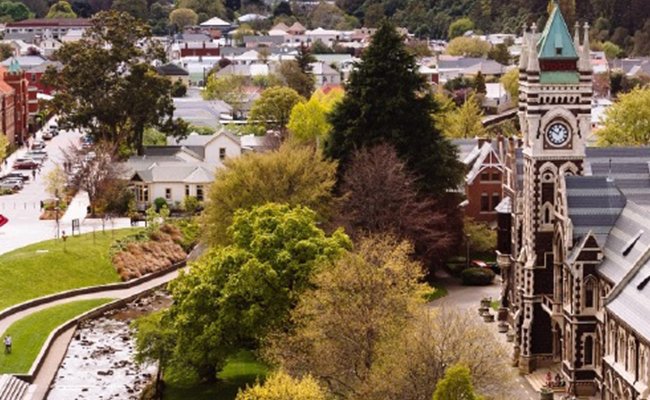 A new set of guidelines called He Aratohu formalises the university’s commitment to matāuraka Māori on campus development projects
A new set of University project design guidelines aims to connect iwi better with campus.
The University’s commitment to matāuraka Māori on campus development projects was formalised in early May when the University Council approved a new set of guidelines called He Aratohu.
He Aratohu: Mana Whenua Project Engagement Guidelines underlines the University’s ongoing working relationship with Māori in the project design space, especially in Dunedin to make the campus more welcoming and inclusive of Māori staff and students.
He Aratohu: Mana Whenua Project Engagement Guidelines will be followed by design teams in the planning of University projects from Auckland to Invercargill.
They embed mana whenua values in the design of built environment projects in each region where campus development is planned, with particular attention paid to Dunedin, home to the biggest Te Whare Wānanga o Otāgo community.
The University is in the biggest development phase of its 150-year history, with construction projects including the new (Dunedin) Te Rangihīroa residential college, the Food Sciences redevelopment, Hākitekura academic retreat in Queenstown, and major redevelopment on the Christchurch campus within Te Papa Hauora health precinct.
He Aratohu Mana Whenua Project Engagement Guidelines are the culmination of the efforts of many people, Campus Development Division (CDD) Strategic Resource Planner Kevin Wood says. “They both recognise and formalise the existing process of cultural engagement in project design to allow better outcomes.”
Representatives of the CDD and Office of Māori Development (OMD) engaged with cultural consultancy, Aukaha, to create the design guidelines. Their work builds on the University’s Equity and Diversity Policy and the Māori Strategic Framework.
Mr Wood’s enthusiasm for what He Aratohu represent is palpable. He sees the guidelines as a roadmap to help the University commit to its obligations under te Tiriti o Waitangi and transform the campus “to a place where iwi can feel at home”.
"We want to celebrate our heritage, our place, our Māori and European culture, and our notable University alumni,” He Aratohu declare. “Design can be a positive tool to aid development and help achieve better quality environments by creating great buildings, spaces and places that are distinctive.
“Positively working with te ao Māori and embedding mana whenua values into design offers up significant opportunities and responds appropriately to the intention of partnership in the Treaty of Waitangi.”
Mr Wood believes He Aratohu are important for the potential they offer the University to help transform campus spaces from places built by and for Pākehā settlers to become welcoming facilities for today’s students, staff and visitors.
He Aratohu celebrate and respect the core concepts of mauri, whakapapa, tapu, and mana. The guidelines’ strategic objectives for the future include a greater acknowledgment of the past and future direction for the organisation, allowing Māori students to see themselves and their communities within the University community, helping tell the stories of the land and its people to current and future generations, and creating context in the environment with buildings and developments that are of their place.
- Kōrero by Rebecca Anderson, Communications Adviser (Projects)