
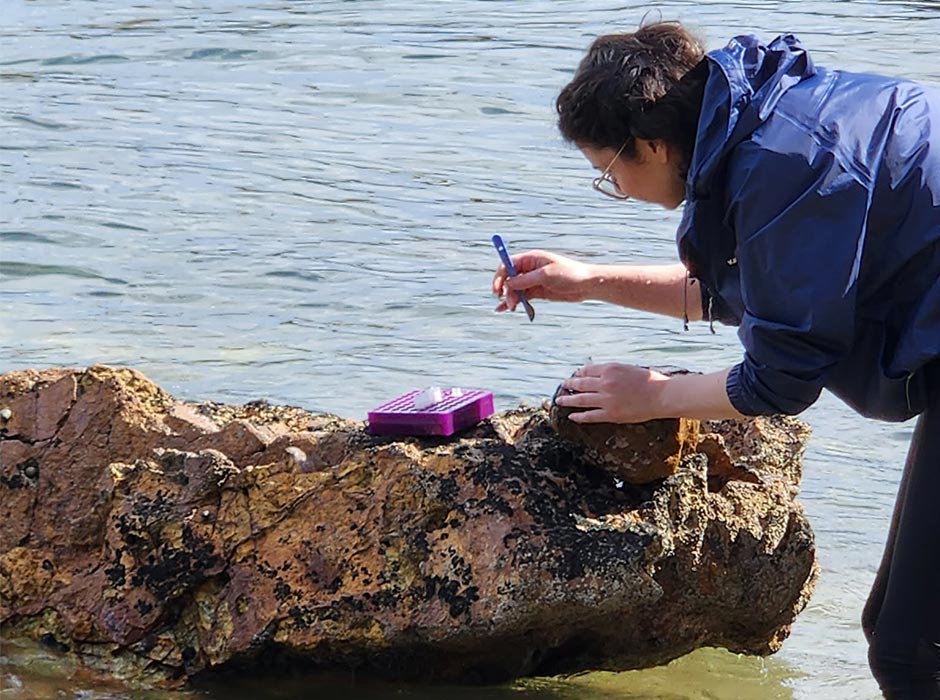
Dr Katerina Achilleos, from the Department of Biochemistry, has received a grant to study Watersipora subatra, a bryozoan that has successfully spread around the world.
New Zealand is a global hotspot for bryozoan diversity – but what are bryozoans and are they important?
Bryozoans, commonly known as moss animals, are aquatic invertebrates. They are filter feeders, taking microscopic food particles from the water using their tentacles. Each bryozoan colony consists of hundreds or thousands of genetically identical individuals, called zooids, that work together.
They occur in almost every marine environment, from shallow coastal waters to thousands of metres deep, and from the Arctic to the Antarctic. Some also inhabit freshwater environments.
What this means to our country is the subject of a new Otago study investigating how climate change could exacerbate the threat posed by invasive species to Aotearoa New Zealand.
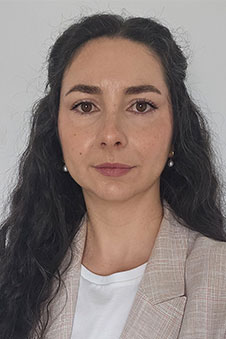
Dr Katerina Achilleos
Dr Katerina Achilleos, from the Department of Biochemistry, plans to study Watersipora subatra, a bryozoan that has successfully spread around the world.
She is one of 20 New Zealand researchers awarded a 2026 Mana Tūāpapa Fellowship through the Royal Society Te Apārangi and is incredibly excited and grateful to receive this fellowship.
“It gives me the opportunity to develop my own research direction and investigate questions that I find genuinely important.
Marine invasive species are a growing challenge for coastal environments, both in Aotearoa and globally, yet there is still so much we don't understand about their biology, their ability to adapt and what makes them so resilient. I'm really looking forward to exploring some of these questions and contributing to our understanding of how marine ecosystems will respond to environmental change."
Over the next four years, Katerina will investigate how W. subatra responds at the molecular level to changes in temperature and ocean acidity.
New Zealand has a long history of bryozoan research and is well known for its fossil bryozoans. In fact, Oamaru's famous white limestone is largely made up of bryozoan fossils, and you can even spot them in the stone used in many of the town's buildings.
While many bryozoan species are important components of natural ecosystems, others have become successful marine invaders, often spreading internationally through shipping. W. subatra is one such species.
By understanding how W. subatra responds to changing conditions and how these responses may be passed down through generations, Katerina hopes to provide insight into how invasive species succeed in rapidly changing environments.
“Understanding how marine organisms respond and adapt to environmental change could also help us better understand the future of native marine species."
These findings will inform conservation efforts and improve strategies for managing invasive species.
But although the focus is on invasive species, she thinks the findings could have much wider implications.
“Understanding how marine organisms respond and adapt to environmental change could also help us better understand the future of native marine species. These species are increasingly under stress as climate change warms and acidifies our oceans, while invasive species continue to thrive, spread and become established in areas where native species are already struggling.”
She says dedicated funding is essential for this type of research, which brings together long-term fieldwork, experimental biology, and molecular approaches.
“It allows us to investigate not only where invasive species occur, but why they are so successful, how they respond to environmental change, and what this could mean for the ecosystems they invade.”
Katerina’s passion for bryozoans started with undergraduate then Master’s research looking at benthic communities (ocean floor dwellers) growing on a newly discovered ancient Greek shipwreck.
She was immediately fascinated by their extraordinary diversity and particularly their ecological importance.
“Although most people are familiar with corals and coral reefs, bryozoans can also act as major ecosystem engineers, creating complex habitats that support diverse marine communities and fisheries, particularly in environments where coral reefs cannot develop,” she says.
Their ecological importance, particularly the bryozoan reefs found on the Otago Shelf, was one of the reasons Katerina moved to New Zealand to undertake a PhD in Marine Science at Otago. Her doctoral research further developed her interest in bryozoan ecology and biology, an interest that continues to shape her research today.
– Kōrero by Claire Grant, Communications Advisor, Faculty of Biomedical Sciences - Te Kaupeka Mātai Rokoā-Koiora
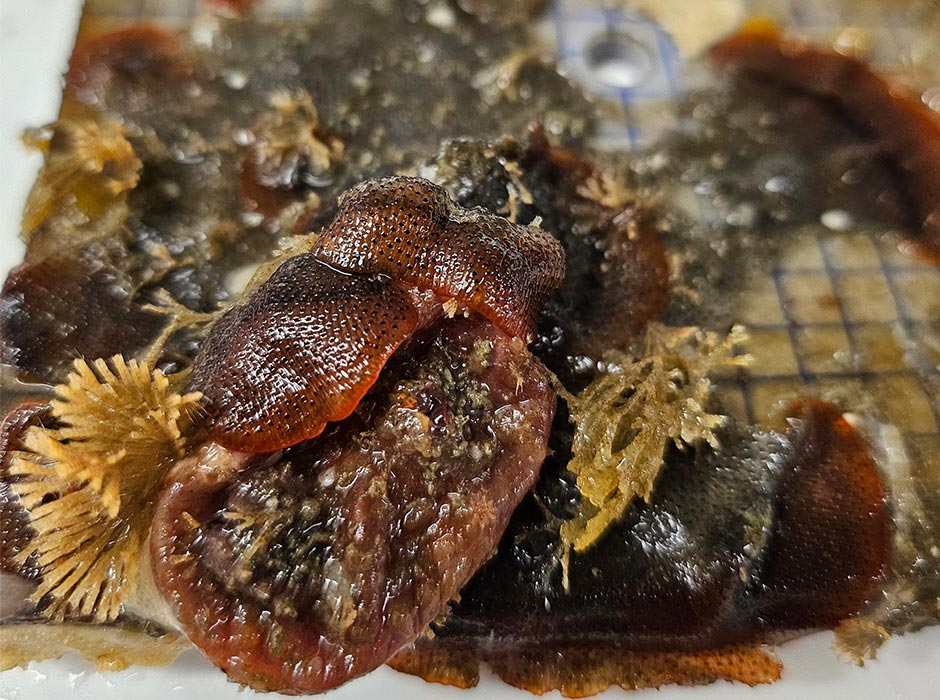
Watersipora subatra (red colonies) growing on a settlement panel at the Portobello Marine Laboratory.
Department of Biochemistry
Biochemists find out how the molecules in living things work. By unravelling the secrets underlying fundamental biological processes, we can find innovative approaches to challenges in medicine, biotechnology and agriculture.
Study Biochemistry