
2026 Science Academy cohort
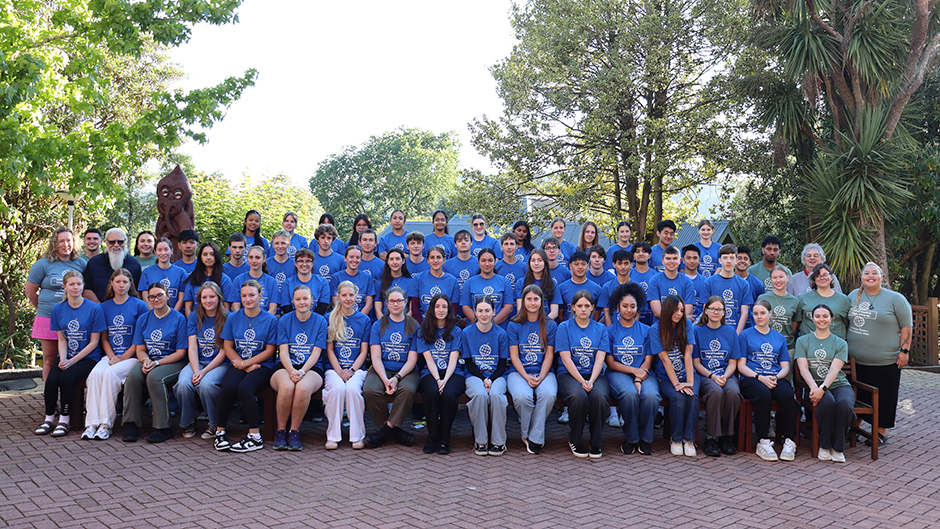
2026 Science Academy summer camp group photo
Our 2026 student cohort comprises 58 potentially high-achieving Year 13 Science students from all over rural/provincial, small and/or lower decile schools across New Zealand.
The students will attend two science camps (January and July), at the University's Dunedin campus. Between January and July camps, they work in teams on a science communication project which involves preparing a short film, podcast, public talk, or museum display talk that will be showcased to a public audience as part of the NZ International Science Festival at the end of the July camp.
Following the July camp our students are supported in their run-up to NCEA/Scholarship External exams in November with 10 weekly on-line tutorials on Biology, Chemistry and Physics with a focus on how to achieve excellence.
“Thank you for all of the incredible support and encouragement. I have developed confidence in many respects, and I am sure to recommend this programme to others.”
Our July 2026 camp opened with two days of heavy rain and flooding that impacted on some of our projects with the Marine Science students unable to get to Marine Studies Centre at Portobello and the Zoology and Geophysics field trips having to be cancelled.
Alternative project work was provided but there’s nothing better than field science. Morning seminars also had to be shifted as key staff couldn’t get into campus
Our July morning seminars addressed topics such as
- Sea ice research in Antarctica: Stumbling towards Antarctica: University pro tips I wish I'd known when I was 17
Professor Inga Smith, Physics - 3D printing in medicine: Regeneration and medical devices
Dr Jaydee Cabral, Centre for Bioengineering and Nanoscience - Reproductive Biology: Counting your Oocytes before they hatch
Dr Nic Anderson, Anatomy (2018 Science Academy Alumni)
There was no Friday morning seminar as it was Matariki Day Holiday so Emily Hall, our Science Teaching Co-ordinator set up a Matariki themed Scavenger Hunt on campus.
As usual we had two-day projects in Applied Maths and Statistics, Chemistry, Anatomy and Physiology, Marine Science, Computer Science, Biochemistry, Geophysics, Sport and Exercise Science and Zoology
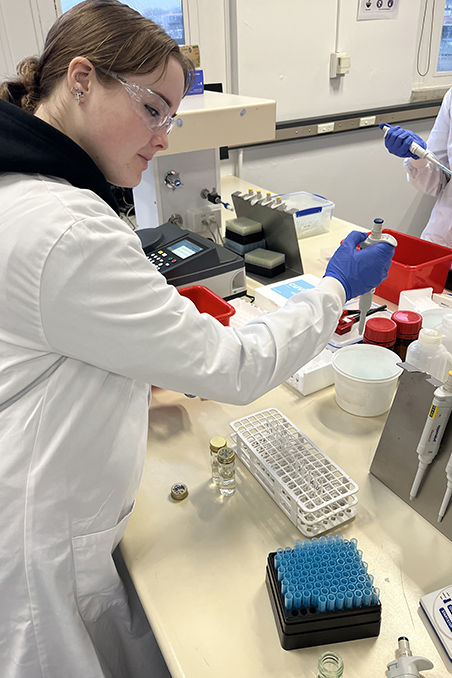
Toxicology elective in the lab.
Toxicology elective. Our July 2026 short 3-hour elective choices were Pharmacology, Psychology and Toxicology
Wednesday afternoon is dedicated to a Transition to Tertiary Learning afternoon with 3 hours of free time every other afternoon except Friday.
Free-time options for this camp included Timezone, Moana pool, 10-Pin bowling, Escape Room, exploring downtown Dunedin, University hall tours and chilling out at Tolcarne.
The evening July Science communication workshops focus heavily on final preparation for the Fri Science Communication Expo at the Museum with students doing final editing of their short films, recording their podcasts and practicing their Museum shows and interpretive talks.
A fun formal dinner party and prizegiving rounds off the week and the end of an experience our students will remember for a long time with new friendships made, science passions further invigorated and science career opportunities widened.
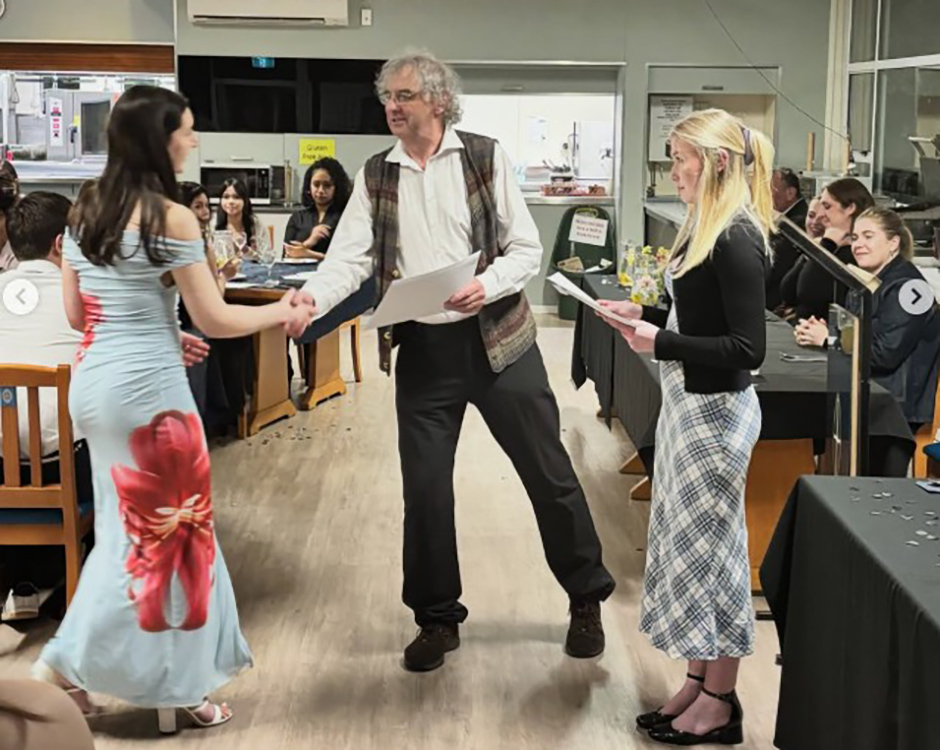
Formal dinner and certificate presentation evening.
“I loved how interactive and informative this was. The professor was incredibly intelligent and passionate about the work he does, really encouraging us to get fully involved.”