Learn about the regions, the staff, and the facilities for our RMIP teaching centres.
What’s the region like?
Alexandra is a town of 6,000 based in the Central Otago region, home to vineyards, orchards, mountain biking and walking tracks. Students share their time between Dunstan Hospital and general practice, primarily Health Central in Alexandra.
Surrounding medical facilities
Dunstan Hospital services a population of around 25,000 and has a 24-bed ward including a 3-bed HDU, as well as visiting specialist outpatient clinics, a mental health service, district nursing and visits from the Mobile Surgical Bus. Students get to experience emergency and acute presentations, procedures and caring for inpatients on the ward. Dunstan Hospital is staffed by rural hospital specialists, who are keen to teach and share their love of generalism.
Health Central has a large extended healthcare team including general practitioners, nurse practitioners, physiotherapists, nurses and healthcare assistants. There is also an Urgent Care Centre, opened in July 2024. Services are primarily based in Alexandra with GP-led clinics in Roxburgh as well.
Staff
Dr Rachel Lynskey
Regional Coordinator
Email rachel.lynskey@otago.ac.nz
Nic Millar
Assistant Coordinator
Email n.millar@otago.ac.nz
What's the region like?
Ashburton township has a population of 19,600 and the surrounding district adds another 15,200 to the wider Ashburton District. The region offers excellent opportunities for outside pursuits, such as skiing at Mount Hutt, or hiking at the Rakaia Gorge, Ashburton Lakes, or Peel Forest Park Scenic Reserve. There are excellent local trails for cycling enthusiasts as well.
Surrounding Medical Facilities
Ashburton Hospital is part of the Canterbury DHB. It has 74 beds and offers secondary level care in medicine, surgery and gynaecology with associated and comprehensive ancillary/community services. This is supported by rural specialists and visiting clinicians. Mental health services, hospital level care of the elderly are provided locally.
Ashburton health services are very strongly supported by the community through the Advance Ashburton Community Foundation with connections to other community bodies. The Rural Health Academic Centre has been set up in Ashburton to provide health service training with an excellent investment in simulation.
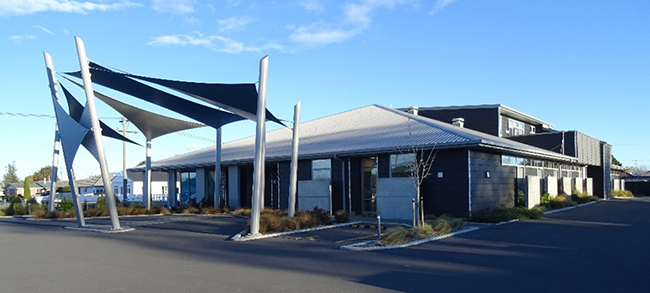
Ashburton has two modern primary care centres as well.
The Ashburton district is also served by practices in Methven and Rakaia.
Staff
Dr Janine Lander
RMIP Director/Regional Coordinator Ashburton
Email janine.lander@otago.ac.nz
Dr Alexander Feberwee
Assistant Coordinator Ashburton
Email alexander.feberwee@cdhb.health.nz
Maddy Hayes
Assistant Coordinator Wairarapa
Email maddy.hayes@otago.ac.nz
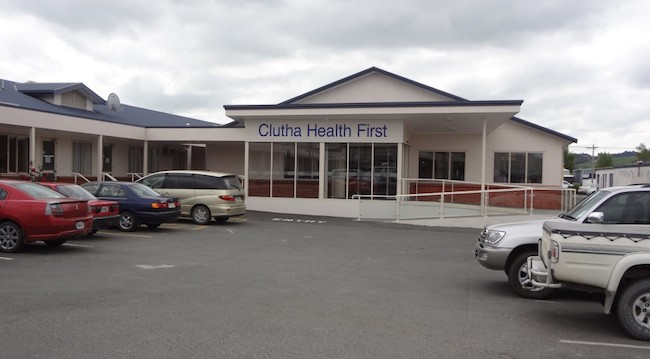
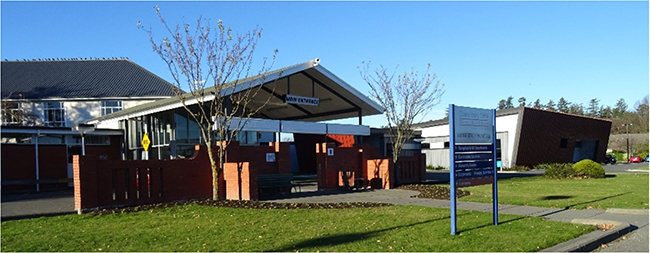
The Clutha Health First hospital entrance.
What's the region like?
The Clutha region is beautiful with its waterfalls, beaches, and wildlife. There are excellent walking opportunities in the Blue Mountains of Clutha, as well the opportunity to enjoy beautiful homegrown produce from local farms. The region also includes the Clutha Gold Cycle Trail and spectacular wetlands.
Surrounding Medical Facilities
Clutha Health First was set up by its community with the aim to ensure the continuing provision of the best possible range of services for the Clutha community. It is community owned and operated.
The hospital is in the commercial centre of Balclutha and is situated 80 km south of Dunedin. Balclutha, with a population of just under 5,000, is the geographical and service centre of the Clutha District which has a population of 18,186 people. The hospital has 17 beds, including three maternity beds and it supplies community services and a comprehensive outpatient service. It rents out space to the general practitioners, physiotherapists, lab, and X‑ray providers thus providing all those services under one roof.
Staff
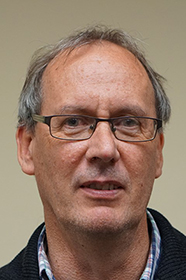
Dr David Mason
Regional Co-ordinator
Clutha Health First
Rural Medical Immersion Programme
Facilities
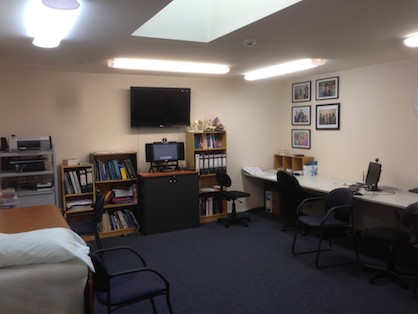
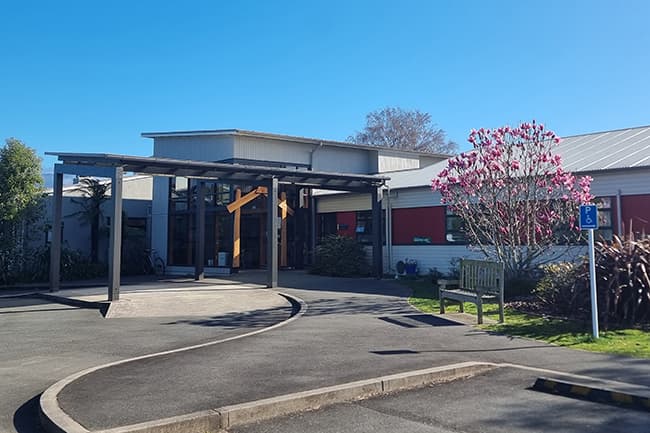
The Golden Bay Community Health facility.
Surrounding medical facilities
Golden Bay Community Health is an integrated health facility based in Tākaka, serving a large rural area. It is two hours by road (20 minutes by helicopter) to the nearest secondary care service at Nelson Hospital.
The facility includes a general practice, a generalist-led urgent care service, community hospital beds and an attached aged residential vare unit. Medical, allied health, district nursing and maternity services are integrated, giving students the opportunity to experience continuity of patient care delivered by an interprofessional team.
Golden Bay Community Health has a shared learning culture and values continuous quality improvement and innovation. Students are supported to lead their own learning while getting involved in the local community and amazing outdoor activities available.
Staff
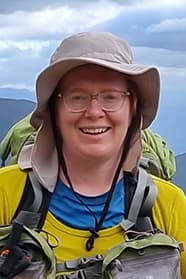 Dr Rachael Cowie
Regional Co-ordinator
Email rachael.cowie@nbph.org.nz
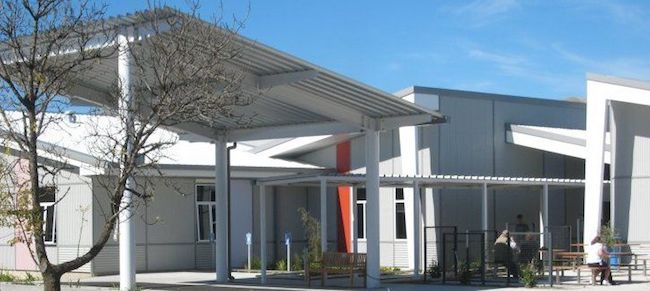
Wairau Hospital, Blenheim.
Blenheim is a town in Marlborough with an estimated population of around 30,500.
At Blenheim is Wairau Hospital, with 86 beds and a wide spectrum of services serving the smaller communities around it. Most of the primary health care teaching occurs in Kaikoura (population 3,900), Murchison (624), and Takaka (1,223). Students training in Blenheim in the RMIP programme spend a little time in Nelson Hospital (173 beds).
All services expected in a hospital of this size are available including mental health services, midwifery, internal medicine, surgery (orthopaedic, general, ENT, and ophthalmology), and paediatrics. The study programme is primary care based with very adequate hospital attachments.
The RMIP experience in Marlborough
There are twenty-five GPs in Blenheim, sharing an on-call rota which includes the RMO for the Accident and Emergency Department in the region's hospital.
The Marlborough RMIP experience exposes the student to every aspect of medicine from the mundane to the EMST and PRIME aspects of medical and trauma care. There are five GP tutors who have varied interests in general medicine, palliative care, sports medicine, drug and alcohol counseling, and acupuncture.
In addition, Wairau Hospital has keen specialists in medicine, surgery, psychiatry, orthopaedics, accident and emergency, sexual health, ophthalmology, ENT, paediatrics, and midwifery.
Wairau Hospital provides the student with one-one-one teaching, as well as hands-on for minor operations, deliveries, and many other procedures. Any gaps are willingly filled either by visiting specialists, or Nelson Hospital, which is just one and a half hours away over the hills.
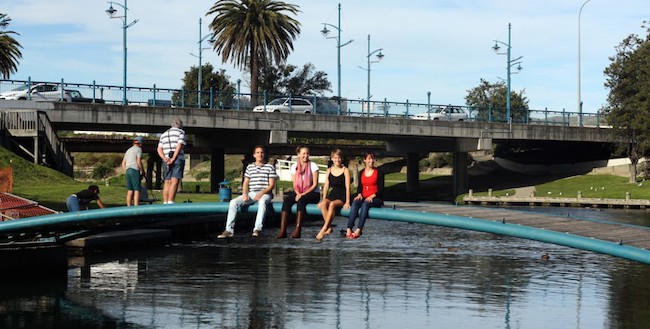
RMIP students enjoying the sun in Blenheim.
The students spend about three sessions a week with a GP, three a week with specialists, and one a week as a group tutorial which is usually at the hospital; the rest is study and/or even more fun time.
Socialising isn't only encouraged, it's mandatory, and with more vineyards than any other part of the country, it's hard not to have fun.
Staff
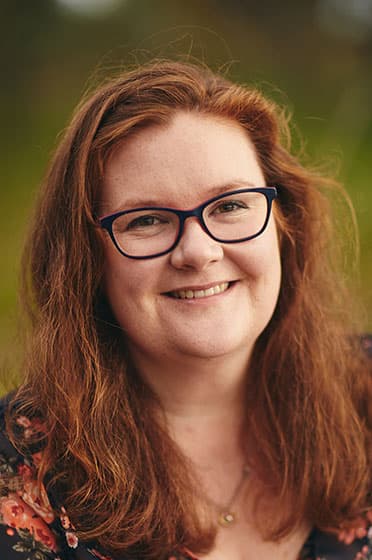
Dr Mary McWatters
Regional Coordinator Marlborough
Email mary.mcwatters@otago.ac.nz
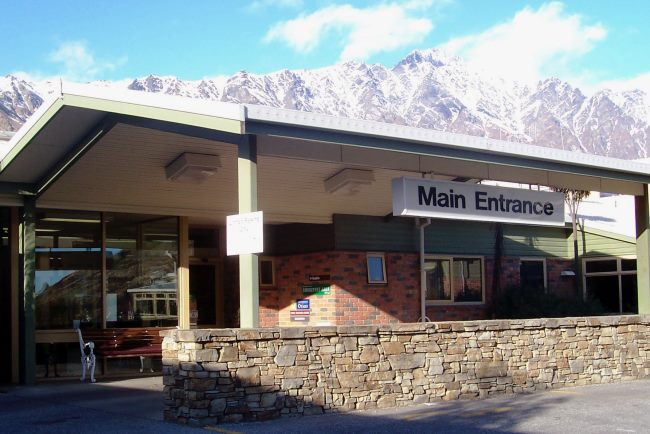
Lakes District Hospital, Queenstown.
What's the region like?
Queenstown has a permanent population of around 23,000. It is a well-known tourist area, with nearly 1 million visitors annually.
Surrounding medical facilities
Queenstown-Lakes District has a population of 48,300, with a hospital at Frankton (Lakes District Hospital – 25 beds). Primary care teaching happens in Frankton at Wakatipu Medical Centre and also Cromwell (population 6,640), and Gore (population 12,800), which also has a hospital of 16 beds.
Wakatipu is the area that encompasses the boundaries of medical care for the Queenstown-based students. The area is multicultural and has a seasonal transient population which sometimes results in more than 50 per cent of patients who are seen being tourists or short-term residents. Lakes District Hospital offers emergency and acute care in a recently refurbished emergency department, an outpatient department, a radiology suite, acute medical and maternity services. Regional base secondary hospital services are one and a half hours away in Invercargill. Students in Queenstown are based at the Lakes District Hospital and at the main primary care practices in town and the surrounding areas.
Wakatipu Medical Centre
Wakatipu Medical Centre is a primary care facility located in Frankton, Queenstown. It has four doctors, five nurses, and General Practice Cornerstone Accreditation from the Royal New Zealand College of General Practitioners.
Read more about Wakatipu Medical Centre.
Queenstown Medical Centre
Queenstown Medical Centre has a long association with the Faculty of Medicine, is involved in teaching senior medical students in the rural general practice setting, and also provides nursing students with community teaching placements. The practice in Arrowtown has been operating for many years and clinics are held Monday to Friday. All our doctors and nurses at Queenstown Medical Centre are committed to continuing their medical education. The education role has recently expanded to provide supervision for GP Registrars and Postgraduate Year Two Doctors. Queenstown Medical Centre joined the Wakatipu PHO in November 2004, has held an Aim For Excellence Accreditation since 2006, and is now one of the regional centres for Rural Medical Immersion Programme students.
Read more about Queenstown Medical Centre
Gore Hospital
Gore Health Ltd is responsible for providing and managing the delivery of health services at Gore Hospital. Our hospital is a twenty bed, community focused, primary care facility located in the rural community of Eastern Southland. Gore & Districts Health Incorporated have ownership of the hospital building and plant which they lease to Gore Health Ltd.
Currently about 21,000 people live in our service area and we employ around 80 staff to deliver a wide range of health services to our community. Approximately 40 per cent of the population is over 45 years. This is a higher proportion than many other areas throughout New Zealand. It could be said we have an “aging population” and this is evidenced in many of the health services Gore Health Limited provides.
Ethnically, the majority of the population in our service area is made up of 87 per cent “New Zealand European”, 7 per cent “Māori”, and 6 per cent “Other” ethnic groups.
Our base funding comes from the Southland District Health Board ( SDHB ) and we work with them to develop a funding contract that specifies the range and volumes of public health services to deliver to our community. We also have a number of private contracts which provide us with additional revenue. These include:
- ACC non acute rehabilitation-inpatient care
- ACC home-based community nursing
- ACC social rehabilitation assessment services
- ACC training for independence
- MoleMap
- Occupational therapy services West Otago Health
Gore Health Ltd is committed to providing a high quality, patient focused, health care service at Gore Hospital. We are continually making every effort to improve the quality of our services. We strive to deliver a service that satisfies the needs and expectations of our patients, and complies with standards, codes, regulations and contracts. We are working to develop policies and procedures to maintain a quality management system that will enable us to provide health care efficiently and effectively.
Gore Health recognises the Treaty of Waitangi as the founding document of New Zealand and acknowledges the special relationship between Māori and the Crown under the Treaty and Gore Health obligations as defined in the New Zealand Public Health and Disabilities Act 2000.
The Gore District is located at the south end of the South Island, New Zealand. By road it is 150km south west of Dunedin and 60km north east of Invercargill, covering an area of 1,250km². The two main towns are Gore, which is the main service town for Eastern Southland and West Otago, and Mataura, where the Alliance Group Ltd freezing works are located.
The life blood of the district is the Mataura River, which flows through its centre. The land has been developed over many years into some of the most productive agricultural land in New Zealand. Industries have established primarily as a result of the agricultural development and these include meat and grain processing, fibreboard manufacture and wood processing that between them contribute a significant amount of employment to those who live within the urban areas.
Staff
Sean Davidson
Regional Coordinator
Email sean.davidson@otago.ac.nz
Andrew Riddell
Assistant Coordinator
Email andrew.riddell@otago.ac.nz
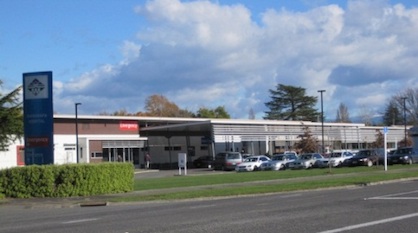
Wairarapa Hospital, Masterton.
What's the region like?
Wairarapa is a region of big skies, wide valleys and small towns full of character. With three major forest parks and a wild stretch of coast it offers endless possibilities for outdoor adventures or just getting away from it all.
It is also one of New Zealand's top food and wine destinations offering some of the country's premium wines and everything from country cooking to haute cuisine in the many cafés and restaurants. The Wairarapa is a true escape – all within an hour's drive of Wellington.
Surrounding medical facilities
Wairarapa Hospital is set in the heart of the region. It opened in 2006 and has 92 beds, providing a full range of secondary medical, surgical, and Obstetric and Gynaecological services.
It is a teaching hospital with links to the University of Otago, Wellington (UOW) and the Bachelor of Nursing programmes run through the Universal College of Learning (UCOL) campuses at Palmerston North and Masterton. Students spend time at general practices in Masterton and Featherston.
Staff
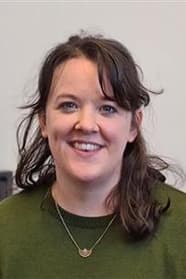
Dr Erin Henare
Coordinator Wairarapa
Email erin.henare@otago.ac.nz
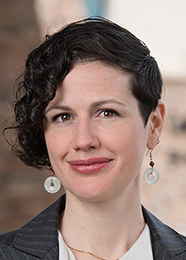
Dr Clare French
Assistant Coordinator Wairarapa
Email clare.french@otago.ac.nz
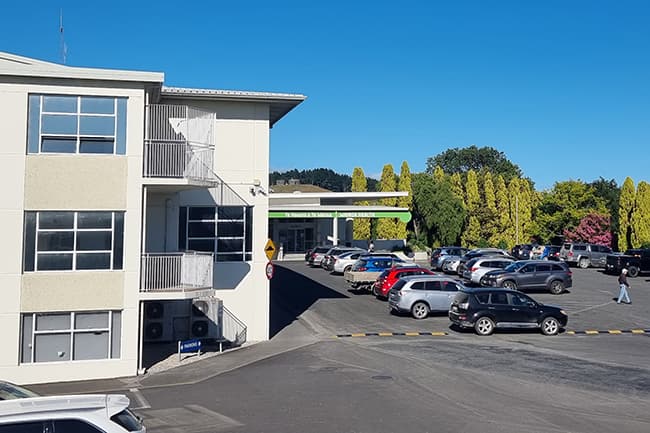
Wairoa Hospital.
What’s the region like?
Te Wairoa is located in Northern Hawke’s Bay. The rural area stretches across Rapauranga (south) to Waikaremoana (west) and Mahia (east) with Wairoa located near the centre. Wairoa has a population of around 9,000 residents (65% Māori).
Surrounding medical facilities
Queen Street Practice, with 8,000+ patients, is located in the same building as Wairoa Hospital. Wairoa Hospital has a 10-bed acute ward, a two-bed Emergency Area and an adjoining two-bed maternity unit.
The site is also the home to outpatient clinics for visiting specialists from Hawke’s Bay Hospital, a radiology department, laboratory services, public health, mental health and a chemotherapy day patient unit. Other staff include a pharmacist, counsellors, district nurses, palliative care nurses and social workers.
Students spend their time in general practice, the Hospital and community for much of their year and can also spend time in Hawke’s Bay Hospital.
The Wairoa Team are dedicated to providing a high standard of clinical care to the public of Wairoa and outer districts. They have a strong focus on education and training, including RMIP students, PGY2 house officers and GP and rural hospital registrar placements.
Staff
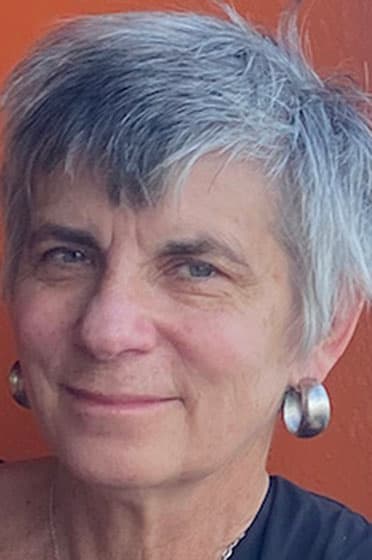
Dr Liffey Rimmer
Regional Co-ordinator
Email liffey.rimmer@otago.ac.nz

Dr Natalie Reid
Assistant Co-ordinator
Email natalie.reid@otago.ac.nz
Greymouth has a population around 10,000, with around 33,000 total across the West Coast region. The West Coast District Health Board (DHB) serves 32,000 people. The region is 600km long (that's about the same as from Auckland to Wellington) and it takes 7.5 hours to drive from top to bottom.
Te Nīkau Hospital and Health Centre is a modern purpose-built facility with 92 beds and a co-located General Practice. The hospital is staffed by a mix of Specialists, Rural Hospital Doctors and RMOs. Students spend their time at the main Hospital and Health Centre, at Buller Health and in South Westland Medical Centre.
What's the region like?
Some 84 per cent of the land is national park or conservation reserve containing such diverse features as palm beaches, glacial landscapes, wild river gorges and thermal areas. It is also the sole source of precious pounamu jade, prized by generations of Māori.
West Coast District Health Board
One of New Zealand's most beautiful, sparsely populated regions, the West Coast is known to Māori as Tai Poutini.
Working and living on 'the Coast' offers a unique lifestyle. The spectacular native forests, mountain rivers, lakes and sea coast offer outstanding recreational opportunities such as fishing, skiing, tramping, kayaking and mountain biking.
Many West Coasters are engaged in primary industries such as mining, timber production and farming, while the magnificent environment offers many outdoor recreational activities for locals and thousands of international tourists.
The academic year
Learning is centred at Te Nikau Hospital. This facility is a secondary referral centre that provides a full range of services (except for Intensive Care) with approximately 100 beds. Tertiary services are provided on an outpatient basis by visiting consultants.
There is a large General Practice component during the year, with placements in Te Nikau's Integrated Family Health Centre as well as local private practice. There are also placements in Westport throughout the year.
We encourage immersion in the health care system as much as possible, with self-directed and spontaneous learning experiences arising from the patients that present, and the relationships that students form with the multidisciplinary team. Accompanying the patient through their journey is seen as a key element to learning in Greymouth.
So, for example, you may learn all about ectopic pregnancy by clerking the patient in General Practice, then follow them to A&E, through their investigation, up to the theatre, and then to the ward. You may consolidate this learning experience by presenting the case to any of the doctors that have been involved in this patient's journey, and getting them to ask you questions afterwards.
There are several set attachments during each term that provide a focus for learning. However, students are to move outside these areas to pick up clinics or follow patients. Weekly meetings with local RMIP staff on Wednesday help plan the following week, depending on learning needs you have identified. It is then the responsibility of the RMIP administrator to communicate your weekly timetable to the rest of the hospital staff. Arranging your own teaching sessions directly with staff is also encouraged.
Aim to clerk and present one patient a day, check in with the RMOs and visit wards daily when not on attachment. Clinics are also a good place to learn. Everyone is able to teach you. Make sure you make the most of the ward pharmacist, physiotherapy, specialist nurses, etc. Ask them for their input about your patients. If you have a special interest in an area, then you will be able to spend time on this (for example: practicing stitching at minor operations clinics).
As a general rule eight sessions a week will be in a clinical setting, allowing two sessions for personal and group study. In term four this is reduced to around five sessions a week to allow for revision.
You will be kept abreast of RMO teaching sessions and encouraged to join these as you can. Indeed the RMOs are a wonderful resource to the RMIP students as well, happy to support OSCE practice and take teaching sessions as well.
Clinics and colleagues
One big advantage with Grey Base Hospital is its size – big enough to offer most services, but small enough that you can build close relationships with staff.
Paediatrics
Good one-on-one / small group teaching with the visiting paediatrician. Students are encouraged to call to discuss cases (can be actively involved in care).
Obstetrics and ynaecologyg
Students can work closely with midwives, experience small group teaching with consultants and attend clinics and theatre. They actively attend births and participate in care.
Rural general practice
Massive range of patients in clinics, doctors are helpful with ad-hoc teaching.
Surgery
Students are encouraged to observe and participate.
Visiting clinics
- Ophthalmology
- Rheumatology
- ENT
- Nephrology
- Neurology
- Orthopaedics
- Musculoskeletal
- Plastics, etc.
Staff
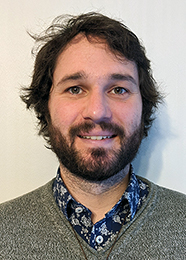
Dr Matthew Bell
Regional Coordinator
Email matthew.bell@wcdhb.health.nz
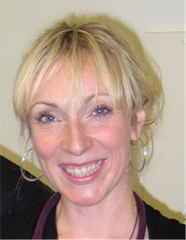
Dr Emma Boddington
Director Student Liaison and Affairs, Regional Coordinator
Email emma.boddington@otago.ac.nz
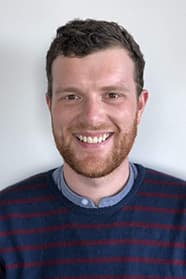
Dr Jono Penno
Assistant Coordinator
Email jonathan.penno@otago.ac.nz
Facilities
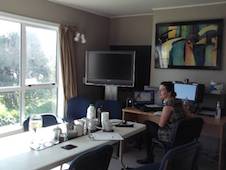
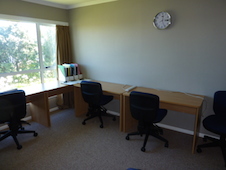
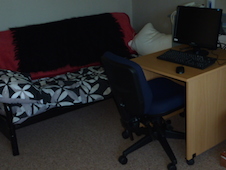
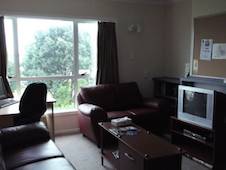
RMIP students are based in the Rural Learning Centre ( RLC ) which occupies two 'flats' in a three-flat block. The end unit houses the RLC offices, and the Teaching Room. The middle flat contains the RMIP Study Room. The RMIP study is exclusively available to the RMIP students and has desks, a networked computers, whiteboard and resource library. There is also a galley kitchen and shower in the flat.
Recreation
You will have the opportunity to experience many aspects of the community that you wouldn't have the chance to elsewhere. However you are reminded not to wear white when going milking, and gumboots are recommended footwear at that time!
Other activities include:
- Skiing
- Hiking and tramping
- Horse riding
- Hunting and fishing
- Surfing
- Wild Foods festival
- Motorcycle street racing
Despite the dismal weather predictions, nothing beats the Coast on a good day, and it has surprisingly more good days than you've been led to believe. With milder temperatures than Dunedin or Christchurch, the Coast enjoys a more moderate climate without the biting cold of winter or searing heat of summer you might be used to.
Friendly people who are not going to ask where you come from or what school you went to, but instead are more likely to want to know if you're related to the Smiths of Hari Hari, will welcome you into the community and encourage you to join in.
You will get out of the Coast what you put in.