
The Triple R research programme aims to build a strong, evidence-based approach to understand who is most at risk, strengthen people’s ability to cope and stay healthy (resilience), and improve how we respond to flu and other respiratory viruses in Aotearoa New Zealand (response). It aims to be relevant to varied settings and communities across the country and be equitable and cost-effective.
Triple R is led by Dr Nikki Turner, University of Auckland in collaboration with the ARCH Group at the University of Otago.
- Triple R research programme overview for clinicians (PDF)
- Triple R research programme overview poster for public (PDF)
Projects
The ARCH group is leading two qualitative research projects as part of the Triple R programme.
1. Talking about influenza: direct observation of health interactions to identify effective communication practice
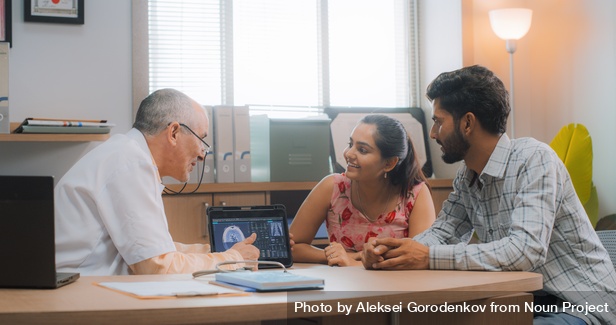
This project studies how people actually talk about flu, the risk of flu and how people can manage and reduce their risk. We do this by making discreet video-recordings of health interactions and analysing the talk to understand what works well.
The aim is to produce good, evidence-based guidance for health professionals on how best to communicate so that people can reduce their risk of severe outcomes from flu.
For more information, contact:
Jo Hilder
Email jo.hilder@otago.ac.nz
More information is also available in the following documents:
- Summary for clinicians (PDF)
- Information sheet for clinicians (PDF)
- Information sheet for patients and community participants (PDF)
2. Exploring narratives of respiratory risk, resilience, and response
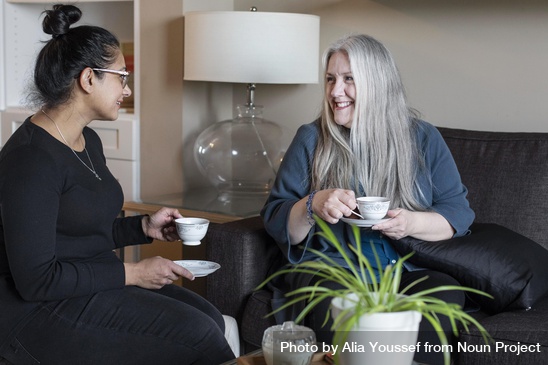
This project aims to explore people’s experiences of flu and similar respiratory illnesses, and what they know, think and do about reducing risk, improving resilience, and managing severe respiratory infections. We do this by talking to people from different communities. We video record these conversations, analyse the content and select short clips that will be useful for others to see.
The aim is to produce an online resource of video clips of real people talking about their experiences that members of the public and health professionals can use.
Health professionals can suggest patients they think may be suitable to approach, or you can volunteer yourself.
For more information, contact:
Rachel Tester
Email rachel.tester@otago.ac.nz
More information is also available in the following documents: