
HABITS - The Helpful Activities Before It's Time for Sleep Study
The Helpful Activities Before It's Time for Sleep Study (HABITS) study was a randomised cross-over trial that assessed whether three pre-bed sleep recommendations truly helped children to sleep better. The study specifically tested whether pre-bedtime screen-use, dinner consumption and physical activity close to bedtime impacted sleep quantity (how long) and sleep quality (how well) children sleep.
This novel study used wearable cameras, attached to the participant's chest, to assess whether the children were adherent to the intervention and to work out how long it took for them to fall asleep. Data collection for this study has finished and the results will be available after data analysis is complete.
BED - Bedtime Electronic Devices
The BED study aimed to understand how the use of electronic media (screens), both before and in-bed, affects sleep and mental health of young adolescents. The BED team were also interested in how this bedtime electronic media use might impact dietary intake the next day.
Over a seven-day period, children (aged 11-14yrs) wore an accelerometer 24-hours-a-day to measure sleep, physical activity, and sedentary time. Our novel research approach could accurately measure the effect of screen behaviours on key outcomes, such as same-night sleep and next-day mood, wellbeing, eating and activity. The results from this study will provide more specific policy advice and guidance surrounding the bedtime use of electronic media by children.
Pre-School Cam Study - How do pre-bedtime activities affect how well preschool children sleep?
 Getting young tamariki to sleep can be challenging at times, and when they are not sleeping well this can affect not only their health and wellbeing, but also that of the whole whānau. We know that pre-bedtime activities such as screen-time, reading, physical activity or eating certain types of food too close to bedtime can influence how well children sleep, but we don't know what particular factors have the greatest impact.
Pre-bedtime activities and routines can be measured by questionnaires but it can be hard for parents to estimate how often and how long children spend on each activity. To overcome this limitation, the Preschool Cam Study used wearable cameras to measure the effect of different pre-bedtime activities, behaviours and routines on children's sleep quality and duration.
We hope this information will be used to refine clinical recommendations and provide new insights for effective ways to improve sleep in this young age-group.
Learn more about the Preschool Cam study
DREAM - The Daily Rest, Eating and Activity Monitoring Study

The DREAM study was a randomized cross-over trial investigating if changing how children sleep affects what and when they eat, how active they are and how they interacted with digital screens.
To measure screen-use in children, the DREAM study asked the participant to wear a camera on their chest for four days of the intervention. This camera took a picture every two seconds. Researchers then manually coded the images to estimate how much screen-use the participants engaged with when they were well rested, compared to when they got less sleep.
The results from the DREAM study found that children appeared to use their screens more when they received less sleep, but only on school days. The children also consuming more energy, especially from poorer food choices and highly processed foods. Interestingly, there was little change in the physical activity patterns of the children.
SNAP-IT - Sleep, Screen use, Nutrition and Activity using Photo Images in Teens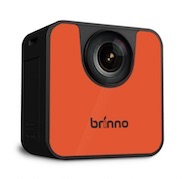
The SNAP-IT project was an observational study aimed to measure sleep, screen use, nutrition and physical activity in teenagers through the use of automated cameras.
The study recruited 200 teenagers (aged 13-17 years) to wear automated cameras that captured photos every 15 seconds from 5pm until bed-time. These cameras have the potential to capture various lifestyle behaviours (such as eating, screen time and physical activity), as well as the environmental context of these behaviours.
The captured images gave us insight into the quantity of screen use, types of screens, use of multiple screens and the context of use (e.g. television in the bedroom) in an adolescent population. Coupled with actigraphy, which measures sleep outcomes, the cameras offer an objective way to understand how evening screen use might impact sleep.
Contact Us
Edgar Diabetes and Obesity Research at the University of Otago, can be contacted by email, phone, postal and delivery ad...
Support Us
Edgar Diabetes and Obesity Research has opportunities for individuals and communiities to benefit from, and contribute t...
Studying at the Centre
Edgar Diabetes and Obesity Research has opportunites for students to be exposed to, and engage in, exciting research.