Career opportunities
Theatre Studies teaches skills highly regarded by employers including creativity, teamwork, big-picture thinking, confidence, and practical research capabilities. A Theatre Studies degree can be a foundation for careers in a range of fields including:
- Theatre
- Film
- Teaching
- Arts administration
- Scriptwriting
- Journalism
- PR
- Event management
- Museum curation and more
Build a wide variety of skills
With multiple specialisations on offer, Theatre Studies gives you the opportunity to shape your study to suit your passions and career aspirations.
Read transcript
Courtney Drummond:
Hi, I’m Courtney. I study Theatre and I minor in Human Resource Management. So what I love about the Theatre Studies department is that there’s such a wide variety of skills that you can learn. I came into Theatre Studies wanting to learn acting and I’m gonna leave with the ability to direct, produce, stage write, stage manage, and all these things. And it means that I can go into the industry with not just one skill but many, and I’m gonna be able to continue doing what I love because I hit all those skills.
What I love about Otago is the culture. My staff and my friends aren’t just that — they’re more — they’re gonna be my colleagues, and they are now too.
Luke Robb:
Hey, I’m Luke Robb. I do a major in Theatre Studies and a minor in History and English. The reason I chose to come to Otago was because I wanted to make a degree that was right for me. I didn’t want to just be locked down into just performing on stage or just reading a script all day. I want to be able to learn about all aspects of theatre, and from coming to Otago I’ve been able to do things backstage, on stage. I’ve been able to write scripts, I’ll be able to analyse scripts, and really get a more in-depth look in the theatre.
What I really appreciate about being at Otago and doing Theatre Studies here is that I get to integrate with all different year levels and all different sorts of people. I’m not locked down to just my year level. When I was in my first year, I worked with people in third year. Now in third year, I work with people in first year. I get to practice skills and impart my learnings onto other people. And I do really appreciate that about the university as a whole.
Ryan Hartigan:
Kia ora, my name’s Ryan Hartigan and I recently came back to Aotearoa New Zealand after 12 years in the United States. And I came back specifically to take up a position here at the University of Otago, which should tell you a lot.
I came here because I wanted to be in a place that was interdisciplinary. I want to be in a place where theory and practice were not divided. I wanted to be in a place where students had no barriers to get on the stage. And in Otago I found all of those places in one institution. I thrive on the fact that I have colleagues who are experienced practitioners like myself. We are working professionals — artists, academics — who bring all of those elements together in everything that we do.
We believe in being highly collaborative with our students. We want to make sure that they have all the skills that they will need, whether they’re working professionals in theatre or whether they take all of those skills transferibly to many other industries. And we have award-winning professionals who have come out of here as directors, as actors, as arts professionals, as teachers, as event management, as management more widely — because all of these things are highly marketable and we find a great deal of success for our students.
It’s worth mentioning that we have this amazing new arts building — a new Performing Arts Building — which is up and running, and I’m standing in it right now with the state-of-the-art studio. These are the kinds of things you can access here as a student, and you can access them quickly. There will not be barriers placed in your way. You’ll be on the stage, you’ll be in the studio, you’ll be meeting your fellow students, you’ll be making the bonds that you need right now, that you need in the future, and that will take you forward to success.
How you will learn
Theatre Studies classes are a dynamic mix of practical workshops, lectures, tutorials, and seminars, designed to foster hands-on learning and encourage intellectual curiosity. You’ll have the opportunity to bring theatrical concepts to life as you experiment with ideas in a practical context.
Lectures, tutorials and seminars are interactive, encouraging students to ask questions, collaborate on theatre-based problems, and work with classmates on creative projects. Because most classes are small, there are plenty of opportunities for interaction with both lecturers and fellow students.
Recommended high school subjects for undergraduate study
Those new to Theatre Studies thrive alongside those with prior experience. Our introductory courses ensure that students are comfortable with the material and skills regardless of their theatre background. We are dedicated to creating a challenging and supportive space. Auditions aren’t required for entry to the programme.
Choose a study option
Whether you're embarking on your academic journey with our comprehensive undergraduate programmes or aiming to reach new heights through our advanced postgraduate offerings, Otago is here to support your aspirations.
Undergraduate qualifications
For new and current students studying towards a Bachelor's or other first degree. Explore undergraduate qualifications at Otago, designed to build a strong foundation in your chosen field, preparing you for a successful career or further study.
Note: this subject can also be studied as a minor.
Bachelor of Arts (BA)
A three-year degree offering flexibility to explore a major in Arts along with other subjects
Bachelor of Arts and Commerce (BACom)
Combine two majors, one in Arts and one in Commerce, into a four-year degree and expand your future career prospects
Bachelor of Arts and Science (BASc)
Combine two majors, one in Arts and one in Science, into a four-year degree and expand your future career prospects
Bachelor of Entrepreneurship (BEntr)
A three-year degree that equips you to change the world as you create new products, services and ideas
Ready to apply?
Take the first step towards your future in this subject.
Further study opportunities
Whether you are looking to bridge your undergraduate studies to advanced knowledge or aiming to specialise in a specific field, Otago offers a range of graduate and postgraduate options to suit your aspirations.
Diploma for Graduates (DipGrad)
The Diploma for Graduates (DipGrad), requiring study of at least seven papers (at least four of which are at 300-level o...
Postgraduate Study in Theatre Studies
Explore postgraduate study in Theatre Studies at Otago. Gain advanced knowledge, skills, and research opportunities in a...

I was interested in theatre during secondary school and had been highly involved in the local community theatre scene. At the time – and still now – there wasn’t one part of theatre that interested me in particular, so the Theatre Studies programme at Otago suited me well. It allowed me to engage in all areas of theatre – learning about theatre history, behind the scenes work, acting, writing, directing – the whole shebang.
Tabitha Littlejohn
Bachelor of Arts and Science (Majors: Theatre Studies, Physics)
Make the world your stage
You’ll have access to excellent facilities, including our modern performing arts building and the famous Allen Hall Theatre, which has been the starting ground for many of Aotearoa’s leading theatre and film professionals. Dunedin’s wider performing arts community also makes use of our facilities, connecting students, professional theatre artists, community groups and arts organisations.
Our lecturers are leading theatre practitioners, talented teachers and internationally recognised researchers. Their networks can help you build industry-wide connections in Aotearoa and the world.
Most people will have up to seven careers in their lifetime, meaning the choices you make now could go a long way to setting you up for success. Theatre Studies will provide you with important personal and professional skills – like self-confidence, teamwork, communication, big picture thinking, and creative expression. You’ll graduate well prepared to work both within and far beyond theatre and the performing arts.
Discover our studios and facilities
Take a video tour of the Performing Arts building, learn about our teaching and and performance spaces, and explore upcoming events and student performances.
Explore Te Korokoro o te Tūī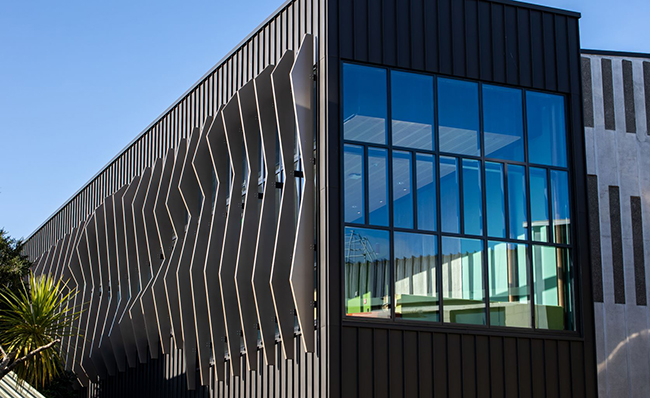
Programme details
Compare programmes for this subject.
| Level | Papers | Points |
|---|---|---|
| 100-level | THEA 152 Theatre Technology | 18 |
| THEA 153 Voice and Movement | 18 | |
| THEA 154 Staging Worlds: Theatre and Performance | 18 | |
| Note: THEA 152 should normally be taken in the first or second year of the programme. | ||
| 200-level | THEA 221 Theatre: Ancient to Contemporary | 18 |
| Two further 200-level THEA papers | 36 | |
| PERF 205 The Creatives Industries may be substituted for one THEA paper | ||
| 300-level | Four 300-level THEA papers | 72 |
| PERF 305 The Creative Industries may be substituted for one THEA paper | ||
| Plus | 180 further points; must include 54 points at 200-level or above. | 180 |
| Up to 90 points may be taken from outside Arts | ||
| Total | 360 |
A minor subject can be included in many of our undergraduate degrees. To earn a minor, you typically must complete a minimum of 90 points in that subject, with at least 18 points at the 300-level.
Your minor can be a subject more commonly taken for a different degree. For example, a BCom majoring in Marketing can include Japanese as a minor subject. To include this subject as a minor in your application, first find a major subject through our Subject Search or Study Match.
You can check what’s required to receive the minor accreditation in the programme details below.
Available as a minor subject for a Bachelor of Arts (BA), Bachelor of Music (MusB), Bachelor of Theology (BTheol), Bachelor of Science (BSc), Bachelor of Commerce (BCom), Bachelor of Entrepreneurship (BEntr), Bachelor of Health Science (BHealSc), Bachelor of Arts and Commerce (BACom), Bachelor of Arts and Science (BASc) or Bachelor of Commerce and Science (BComSc) degree
| Level | Papers | Points |
|---|---|---|
| 100-level | THEA 154 Staging Worlds: Theatre and Performance One further 100-level THEA paper | 18 18 |
| 200-level | Two 200-level THEA papers | 36 |
| 300-level | One 300-level THEA paper | 18 |
| PERF 205 or PERF 305 may be substituted for one THEA paper | ||
| Total | 90 |
Note: This minor subject is not available for students enrolled in the Bachelor of Performing Arts (BPA).
Papers
View a list of all related papers below.
THEA papers
| Paper Code | Year | Title | Points | Teaching period |
|---|---|---|---|---|
| THEA152 | 2026, 2027 | Backstage for Theatre and Performance | 18 points | Semester 1, Semester 2 |
| THEA153 | 2026, 2027 | Voice and Movement | 18 points | Semester 2 |
| THEA154 | 2026, 2027 | Staging Worlds: Theatre and Performance | 18 points | Semester 1 |
| THEA221 | 2026, 2027 | Exploring Worlds Through Theatre and Performance | 18 points | Semester 1 |
| THEA241 | 2026, 2027 | Writing for Stage and Screen | 18 points | Semester 2 |
| THEA252 | 2026, 2027 | The Actor | 18 points | Semester 2 |
| THEA253 | 2026, 2027 | Theatre, Culture and Identity in Aotearoa | 18 points | Not offered in 2026, Not offered in 2027 |
| THEA256 | 2026, 2027 | Design for Theatre and Performance | 18 points | Not offered in 2026, Semester 2 |
| THEA257 | 2026, 2027 | Special Topic | 18 points | Not offered in 2026, Not offered in 2027 |
| THEA322 | 2026, 2027 | Theatre of Australasia | 18 points | Not offered in 2026, Not offered in 2027 |
| THEA323 | 2026, 2027 | Performance Research | 18 points | Not offered in 2026, Not offered in 2027 |
| THEA324 | 2026, 2027 | Aspects of Contemporary Theatre and Performance | 18 points | Semester 2, Not offered in 2027 |
| THEA341 | 2026, 2027 | Advanced Writing for the Stage and Screen | 18 points | Semester 1 |
| THEA351 | 2026, 2027 | Performing Shakespeare | 18 points | Semester 1 |
| THEA352 | 2026, 2027 | Directing | 18 points | Semester 2 |
| THEA354 | 2026, 2027 | Creating Theatre | 18 points | Not offered in 2026, Semester 2 |
| THEA356 | 2026, 2027 | Design for Theatre and Performance | 18 points | Not offered in 2026, Semester 2 |
| THEA357 | 2026, 2027 | Special Topic | 18 points | Not offered in 2026, Not offered in 2027 |
| THEA358 | 2026, 2027 | The Working Dramaturg | 18 points | Not offered in 2026, Semester 1 |
| THEA422 | 2026, 2027 | Theatre of Australasia | 30 points | Not offered in 2026, Not offered in 2027 |
| THEA423 | 2026, 2027 | Performance Research | 30 points | Not offered in 2026, Not offered in 2027 |
| THEA424 | 2026, 2027 | Aspects of Contemporary Theatre and Performance | 30 points | Semester 2, Not offered in 2027 |
| THEA441 | 2026, 2027 | Advanced Writing for the Stage and Screen | 30 points | Semester 1 |
| THEA451 | 2026, 2027 | Advanced Directing | 60 points | Full Year |
| THEA452 | 2026, 2027 | Advanced Production Project | 30 points | Not offered in 2026, Not offered in 2027 |
| THEA453 | 2026, 2027 | Directed Project in Theatre | 30 points | Semester 1, Semester 2, Full Year |
| THEA454 | 2026, 2027 | Special Topic | 30 points | Not offered in 2026, Not offered in 2027 |
| THEA455 | 2026, 2027 | Shakespeare Text to Performance | 30 points | Not offered in 2026, Not offered in 2027 |
| THEA456 | 2026, 2027 | Trauma and Violence in Performance | 30 points | Not offered in 2026, Not offered in 2027 |
| THEA457 | 2026, 2027 | The Working Dramaturg | 30 points | Not offered in 2026, Semester 1 |
| THEA480 | 2026, 2027 | Research Project | 30 points | Semester 1, Semester 2, Full Year |
| THEA490 | 2026, 2027 | Dissertation | 60 points | Full Year, 1st Non standard period (27 February 2026 - 19 February 2027), 2nd Non standard period (17 July 2026 - 9 July 2027), 1st Non standard period (5 March 2027 - 25 February 2028), 2nd Non standard period (16 July 2027 - 7 July 2028) |
| THEA580 | 2026, 2027 | Studio Project in Theatre | 60 points | Full Year, 1st Non standard period (27 February 2026 - 19 February 2027), 2nd Non standard period (17 July 2026 - 9 July 2027), 1st Non standard period (5 March 2027 - 25 February 2028), 2nd Non standard period (16 July 2027 - 7 July 2028) |
| THEA590 | 2026, 2027 | Research Dissertation | 60 points | 1st Non standard period (27 February 2026 - 19 February 2027), 2nd Non standard period (17 July 2026 - 9 July 2027), 1st Non standard period (5 March 2027 - 25 February 2028), 2nd Non standard period (16 July 2027 - 7 July 2028) |
More information
Have a question or need support? AskOtago can connect you with the right team for personalised help.
This information must be read subject to the statement on our Copyright & Disclaimer page.
Regulations on this page are taken from the 2026 Calendar and supplementary material.
Not sure what to study?
Take our short quiz to uncover study options matched to your background and interests.
Take the quiz