
This page includes research groups and research facilities contributing to Cancer Research at Otago.
ASPIRE Aotearoa
 ASPIRE Aotearoa is a partnership between major New Zealand research groups carrying out research to help achieve the Government's goal of a tobacco-free Aotearoa by 2025. ASPIRE Aotearoa brings together leading tobacco-free researchers and health service groups in New Zealand and strengthens existing collaborations. ASPIRE Aotearoa is a University of Otago Research Theme.
Email aspire.aotearoa@otago.ac.nz
Web aspireaotearoaorg.nz
Biostatistical consulting
 Biostatistical consulting provides statistical expertise for clinical, epidemiological and other health-related research. The consulting biostatisticians can collaborate or offer advice on:
- Study design
- Appropriate statistical methods
- Funding applications
- Statistical packages
- Data coding and cleaning
- Statistical analyses
- Drafting and revising articles and reports
We have consultants available in Wellington, Christchurch and Dunedin.
Contact a consultant
Cancer and Chronic Conditions (C3) research group
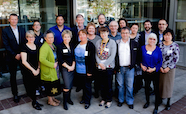 The Cancer and Chronic Conditions (C3) research group is a collaborative group of researchers working at the interface between public health, health services research, and clinical medicine. Our work includes a range of projects aimed at reducing the impact of cancer and chronic conditions on population health and health inequalities through policy and health system change.
Email jason.gurney@otago.ac.nz
Web otago.ac.nz/wellington/publichealth/research/cancercontrol
Cancer biology
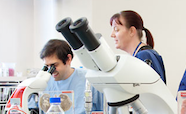 Cancer is a cell growth disease where cells undergo division many more times than normal. This makes the cells prone to replication errors—mistakes that occur during the copying of the DNA on the chromosomes that occurs in each cell division. If these mistakes or mutations are not repaired they accumulate. As more and more mutations accumulate they affect cell processes involving death, location, intercellular communication and others. Eventually these rogue cells become cancers.
The Department of Pathology and Molecular Medicine (Dunedin) has a number of laboratories that work on different aspects of cancer biology.
- Braithwaite Laboratory: Cell Transformation
- Chatterjee Laboratory: Epigenetics, Disease and Phenotype
- Cunliffe Laboratory: Molecular Oncology
- Eccles Laboratory: Developmental Genetics and Pathology
- Hibma Laboratory: Viral Pathogenesis
- Horsfield Laboratory: Chromosome Structure & Development
- Morison Laboratory: Epigentics and Cancer
- Slatter & Hung Laboratory: Molecular Pathology
- Woolley Laboratory: Cytoskeletal Dynamics
Email pathology@otago.ac.nz
Department of Pathology and Molecular Medicine, Dunedin
Cancer Society Research Collaboration
 We aim to reduce the incidence and impact of cancer in New Zealand, and to reduce cancer-related inequalities.
We work in close coordination with the Cancer Society of New Zealand to prioritise the research we conduct, disseminate our findings, and advocate for world-leading cancer prevention, care and support.
Our partners include Massey University, Michigan State University, The University of Melbourne, and Victoria University of Wellington.
Email louise.signal@otago.ac.nz
Web otago.ac.nz/cancer-society-research
The Canterbury Comprehensive Cancer Centre (C4)
 The Canterbury Comprehensive Centre (C4) links together all health professionals involved in the clinical treatment and care of patients with cancer in the Canterbury region. This includes counsellors and support organisations working with cancer patients and their families, researchers with a cancer focus, non-governmental organisations, and the community.
Email c4.uoc@otago.ac.nz
Web otago.ac.nz/c4
Centre for Bioengineering and Nanomedicine
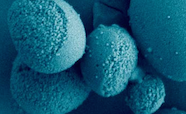 Our Centre is at the forefront of research in the following areas:
- Molecular and Biomedical Imaging—advancing diagnosis and treatment of major health diseases in new ways by detecting spectral (colour) differences in tissues
- Engineered Therapeutics—triggered and controlled drug delivery systems, nanomedicine, engineered particles, selective and targeted therapies
- Regenerative Medicine—combines a patient's cells with biodegradable scaffolds and growth factors offering considerable advantages over current surgical interventions
- Bioengineering Materials—medical gels which stop bleeding, infection, and dramatically reduce adhesions and bone substitutes and bone ceramics
- Bioengineering Devices—uses engineering design principles for the diagnosis, treatment, prevention or monitoring of disease
- Medical Computing—The MPJV research group is using mobile technology to bring visibility to the patient journey; in order to deliver the right care to the right patient at the right time.
Email tim.woodfield@otago.ac.nz
Web otago.ac.nz/bioengineering/research
Mātai Hāora – Centre for Redox Biology and Medicine
(Formerly Centre for Free Radical Research)
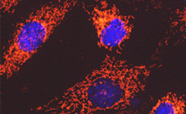 We carry out research on the regulation of oxidative stress and redox metabolism in cancer cells, and how these pathways may be manipulated to assist treatment.
Research Projects:
- Alterations in the redox metabolism of cancer cells during metastasis and the development of drug resistance
- Targeting the antioxidant systems of cancer cells
- Vitamin C and the regulation of cancer cell epigenetics
- Role of innate immune cells in the promotion and progression of cancer
- Regulation of cell death pathways
Email mark.hampton@otago.ac.nz
Web otago.ac.nz/christchurch/research/freeradical
Centre for Translational Cancer Research - Te Aho Matatū
 Translational cancer research bridges the gap between laboratory-based science and treatment in the clinic. We now have sufficient knowledge in the fields of cancer biology, molecular biology, and immunology to make a significant impact on the treatment and management of cancer.
We're bringing about rapid improvements in cancer outcomes by addressing defined clinical problems. Our research is accelerating the development and testing of new drugs and diagnostic tools that directly assist clinicians and their patients.
Our research programmes include:
- Personalised medicine
- Inherited and environmental cancer risk
- Childhood cancers
- Diagnostic tools
- Cancer and our immune system
- Drug development
Email ctcr@otago.ac.nz
Web otago.ac.nz/ctcr
Clinical Genetics Group
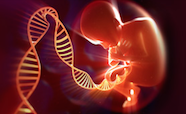 Our group identified mutations in a gene called WTX as the cause of osteopathia striata congenita with cranial sclerosis (OSCS). This is an X-linked dominant disorder characterized by the accrual of dense, sclerotic bone throughout the skeleton, most especially the skull. Males who are hemizygous for a disease-causing mutation are severely affected—not only with skeletal manifestations, but also with malformations in multiple organ systems, which are often life-limiting.
Several surprising aspects have arisen out of this discovery. For instance, WTX is a negative regulator of WNT signaling and it has also been shown to be a tumour suppressor gene, implicated in the development of Wilms tumour, a kidney cancer which primarily affects children. Ongoing work in the laboratory is aimed at disentangling this developmental disease-cancer link in addition to addressing questions around how defects in WNT signaling can cause such widespread malformations in several organ systems.
Email stephen.robertson@otago.ac.nz
Web https://www.otago.ac.nz/clinical-genetics/index.html
Colorectal Translational Research Group
 The Colorectal Translational Research Group (CTRG) incorporates research expertise from a range of disciplines including surgery, medical oncology, molecular biology, bioinformatics, immunology, and experimental pathology. Our work contributes to the broader goals of the Centre for Translational Cancer Research, and promotes synergies with other research groups in New Zealand. We aim to maximise research opportunities into colorectal cancer by providing a strong clinical base for laboratory-based research and promoting the translation of laboratory discoveries into the clinical environment.
Our main research areas are:
- Genetic and epigenetic factors in colorectal cancer
- Prognostic tests for colorectal cancer
- Immune response to colorectal cancer
- Immunotherapy for colorectal cancer
- Immune mechanisms in Crohn's disease
- Clinical trials
Email surgery@otago.ac.nz
Web otago.ac.nz/dsm-surgery/research/colorectal-translational-research-group
D4 Network
 D4—Diagnostics, Drugs, Devices and Discovery focuses on translational research for improving care via:
- Creating novel point-of-care diagnostics and devices enabling targeted and selective treatments
- Developing smart drug delivery systems and devices to improve and optimise therapy
- Drug discovery for innovative treatments
The network draws together the disciplines of bioengineering, pharmaceutical science and drug discovery with an emphasis on collaborating with commerce and industry.
Email greg.walker@otago.ac.nz
Web otago.ac.nz/d4/index.html
Haematology Research Group
 Our main area of research interest is the immunobiology of cancer and leukaemia. Our long term aim is to develop better methods for the diagnosis and treatment of malignant disease.
The group has considerable experience in cell biology methodology including flow cytometry, magnetic bead technology, T cell proliferation assays, cytotoxicity assays, ELISAs, cell membrane biochemistry, preparation of cell suspensions from solid tissues, dendritic cell purification, immunohistochemistry and mammalian cell tissue culture.
Currrent projects include:
- Analysis of myeloid derived suppressor cell numbers and function in patients with cancer
- Investigation of mechanisms of immunosuppression by leukaemic cells
Email judy.mckenzie@otago.ac.nz
Web otago.ac.nz/christchurch/research/haematology
Health Inequalities Research Programme (HIRP)
 The Health Inequalities Research Programme is a longstanding programme of research hosted by the Department of Public Health, Wellington. HIRP encompasses a series of research projects including the New Zealand Census Mortality and CancerTrends Study (NZCMS/CT), the Healthier Lives National Science Challenge, and the Virtual Health Information Network (VHIN). The aim of HIRP is to capitalise on New Zealand's Integrated Data Infrastructure (IDI) to provide information to influence and support policies and programmes that will reduce inequalities in health.
Email hilary.day@otago.ac.nz
Health Inequalities Research Programme (HIRP)
Health Promotion and Policy Research Unit (HePPRU)
 The Health Promotion and Policy Research Unit aims to foster excellence in research in health promotion and public health policy. HePPRU works in collaboration with policy-makers and policy advocates to advance the good health of the peoples of Aotearoa/New Zealand through independent, critical and innovative research, teaching, and community service.
Email louise.signal@otago.ac.nz
Web otago.ac.nz/heppru
Hugh Adam Cancer Epidemiology Unit
 The Unit regularly examines trends in cancer incidence, mortality, and survival in New Zealand as well as conducting research into the causes, detection, and prevention of cancer. Collaborative studies are being, or have been, conducted of cancer of the prostate, breast, colon, rectum, cervix, skin (melanoma and non-melanoma skin cancer), stomach, ovary, mouth and oral cavity, lung, head and neck, non-Hodgkin lymphoma and chronic lymphocytic leukaemia in New Zealand. In addition, with biomedical scientists, studies linking specific cancer risk factors with biological mechanisms of cancer development of are being undertaken.
The Unit also specialises in the design, evaluation and monitoring of national cancer screening programmes and the calculation of an individual's risk of specific cancers. The individual risk calculator for melanoma has been accepted internationally. The Unit has numerous collaborations with national and international institutions and also represents New Zealand in the International Cancer Screening Network of the National Cancer Institute (USA) and the International Lung Cancer Consortium of the International Agency for Research on Cancer (WHO).
Email: hughadam.unit@otago.ac.nz
Web otago.ac.nz/dsm/hughadam
Long-term condition management research
 The focus of this research group, in the Department of Nursing, is the development of evidence-based healthcare to minimise the impact of chronic health needs on people's lives. Research explores symptom experience, risk assessment, preventative care and symptom control issues, with particular emphasis on the enhancement of patient self-management strategies.
Email mandy.wilkinson@otago.ac.nz
Department of Nursing
Mackenzie Cancer Research Group
 We are interested in the pathology of human tumours and in identifying the genetic changes that give rise to cancer. Our research focuses on the molecular regulation of tumour growth, metastasis and response to therapy.
Due to our close links with clinicians at Christchurch hospital and with the Cancer Society Tissue Bank, together with our laboratory expertise, we are able to carry out investigations that span from bench to bedside.
Email pathology.uoc@otago.ac.nz
Web http://www.otago.ac.nz/mackenzie-cancer/index.html
Microbiology and Immunology
 The Department of Microbiology and Immunology has a large number of research programmes across the fields of microbiology, immunology and virology.
Cures for infectious and autoimmune diseases, as well as non-communicable diseases such as cancer and asthma, require knowledge of the immune response and how it can be manipulated.
Associate Professor Alex McLellan's lab is studying the immune response to cancer, specifically the roles of T cells, NK(natural killer) cells and extracellular vesicles in antigen presentation.
Professor Ros Kemp's lab is looking at T cell and myeloid cell subsets in colorectal cancer and inflammatory bowel disease to improve diagnosis, prognosis and treatment.
Email microbiology@otago.ac.nz
Department of Microbiology and Immunology
Oncology Research Group
 The Oncology Research Group is a predominantly clinical trials-focused group with a portfolio comprising of collaborative, investigator-led, and commercial trial activity.
Current projects include:
- The Recharge Study, investigating the use of ice cream containing lactoferrin in order to reduce chemotherapy-associated diarrhoea (Principal Investigator – Professor D Perez)
- The CapTox Study investigating genomic predicators of chemotherapy toxicity (PI – C Jackson and Prof P Guilford)
- BRACKIT study (PI – C Jackson and Prof M Eccles) – examining predictors of melanoma recurrence from matched primary lesions and sentinel lymph nodes
Dr Jackson is also clinical lead for the HRC-funded PIPER study, which is the largest study of treatment and outcomes of colorectal cancer ever undertaken in New Zealand. The project is 18 months into a three-year term, and is progressing very well.
The Oncology Research Group has also recently expanded and now employs a Haematology Research Nurse in order to extend its research activities into benign and malignant Haematology. Seed funding for this position was generously provided by the Ruth Spearing Trust.
Email christopher.jackson@southerndhb.govt.nz
Web otago.ac.nz/dsm-medicine/research/otago046620.html
Oral molecular and immunopathology
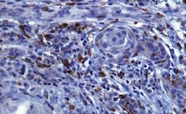 Our programme, at the Sir John Walsh Research Institute, aims to investigate the cellular, and molecular basis of oral diseases, and their treatment.
Oral mucosal diseases including oral squamous cell carcinoma are being investigated using single and double layer immunofluorescence and immunohistochemistry coupled with focused micro-arrays to determine gene expression profiles. Of major interest is regulation of the local immune response in oral mucosal lichen planus and in oral squamous cell carcinoma.
Angiogenesis, and endoplasmic reticulum stress are also being investigated in these lesions so as to develop a better understanding of the role of these mechanisms in the pathogenesis of mucosal lesions.
Email sjwri.admin@otago.ac.nz
Web otago.ac.nz/sjwri/research/oral-molecular-immunopathology
Otago Genomics Facility
 We provide expertise and sequencing resources to New Zealand researchers and industry including:
- Project design
- Library preparation
- Illumina sequencing
- Oxford Nanopore sequencing
- Nanostring nCounter analysis
The Otago Genomics Facility is an Illumina Propel-certified service provider for Illumina platforms, and is also a Nanostring nCounter analysis system core facility.
Email genomics@otago.ac.nz
Web otago.ac.nz/genomics
Otago Micro and Nanoscale Imaging (OMNI)
 Four well-established and highly respected research-expertise providers have joined together under one umbrella to offer:
All the expertise, highly sophisticated instrumentation, and stellar support remains in place, as do the existing locations of services on our Dunedin campus.
The four units have collaborated on a new website as a central repository of their capabilities and achievements.
For all you need to know about what can be offered, who can help, what services, training, and specialist expertise and advice is available, please contact us.
Email omni@otago.ac.nz
Web otago.ac.nz/omni
Pathology and molecular medicine
 Our research centers on the pathology of human tumors and identifying the genetic and epigenetic drivers of tumour development, including tumor growth, metastasis, response to treatment. We are also interested in investigating the role of the immune system in cancer and how inflammation can promote epigenetic change. Our current research activities are focused on prostate, kidney, and bladder malignancies.
Email pathology.uow@otago.ac.nz
Web otago.ac.nz/wellington/departments/pathologymolecularmedicine/research
Pharmacology and Toxicology
 In the School of Pharmacy state-of-the-art technologies, including the use of in vivo disease models, are used to undertake integrative, cellular and molecular investigations aimed at understanding animal and human pathophysiology (and to delineate targets for novel drugs).
Research in Professor Rhonda Rosengren's group involves the identification of both novel treatments for triple negative breast cancer and hormone refractory prostate cancer.
Dr Sarah Baird's group is interested in how the supportive area surrounding the cancer cells, the stroma, develops and functions. The lab also specializes in determining cell death mechanisms.
Professor John Ashton's group is currently investigating mechanisms of drug resistance to small molecule inhibitors in oncogene-dominant non-small cell lung cancer, and ALK positive lung cancer in particular. They also have an interest in modelling metastatic disease for drug testing, and are currently working on improving a metastatic prostate cancer mouse model for drug testing.
Email pharmacology@otago.ac.nz
Pharmacology and Toxicology
Pharmacy
The School of Pharmacy has a very active research programme with disciplines ranging from science to humanities.
Research areas:
- Pharmaceutical Sciences: drug discovery, drug metabolism and drug action to extend the range of drugs available and to provide a scientific basis for the quality use of medicines and bioactive substances.
- Clinical Pharmacy: concerned with patient care and the optimisation of medicine use in order to promote health and wellness, and prevent disease.
Email pharmacy.research@otago.ac.nz
Web otago.ac.nz/pharmacy/research
Protein biochemistry, structural biology and apoptosis
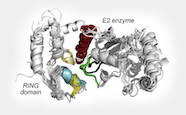 Many key events within cells are regulated by the appropriate interaction of two proteins. Understanding the molecular basis of protein-protein interactions is central to elucidation of these cellular processes and can lead to the development of new or improved therapeutic compounds.
Professor Catherine Day is interested in understanding how a number of proteins involved in apoptosis interact, and how this knowledge can be exploited for the development of improved anti-cancer compounds. Most recently, her group has focused on characterisation of processes that result in attachment of ubiquitin to proteins because the addition of ubiquitin regulates protein interactions and protein abundance—both of which regulate signaling pathways.
Email catherine.day@otago.ac.nz
Web biochem.otago.ac.nz/our-people/academic-teaching-staff/catherine-day
Research in radiation therapy
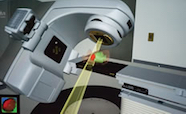 The Department of Radiation Therapy has a very varied research portfolio ranging from preclinical cancer research and educational research to research into radiation-induced side effects, cancer patient education and information, self care of radiation therapists and advanced radiation therapy practice.
Email rtenquiries.uow@otago.ac.nz
Research Infrastructure Centre
 Our Research Infrastructure Centre offers specialist expertise, technology and facilities in protein research, genomics, imaging, and biomedical research.
We support optimum design and analysis of your research, and provide skill development opportunities.
Our academic leadership is of the highest calibre and we have extensively experienced and skilled staff.
Our services are available to researchers in institutions, industry, government and private companies.
Email ric.admin@otago.ac.nz
Web otago.ac.nz/healthsciences/research/ric
Social and Behavioural Research Unit

The Social and Behavioural Research Unit was established in 1990 with core funding from the Cancer Society of New Zealand and the support of the University of Otago. It has research programmes in priority areas of tobacco control, ultraviolet radiation exposure, physical activity and nutrition, psycho-social-spiritual factors, alcohol, and Hauora Māori.
Emailsbru@otago.ac.nzWeb otago.ac.nz/sbru
Structural biology of cellular signalling
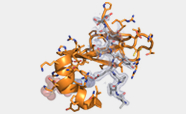 Dr Peter Mace's lab aims to understand signalling networks that regulate how cells respond to stress or proliferative stimuli. Of particular interest are the mechanisms by which phosphorylation, ubiquitination and proteolysis act in concert to control fundamental cellular processes such as proliferation and cell death. Using a combination of X-ray crystallography, biochemical and biophysical methods we aim to decipher how signalling proteins regulate these outcomes in normal cells, how signalling is disrupted in cancer, and how this understanding can be translated into more effective disease therapy.
Current projects in the lab include understanding stress-activated protein kinase activation, as well as deubiquitinase enzymes that remove ubiquitin from substrates targeted for degradation. In collaboration with Associate Professor Anita Dunbier we are also investigating Tribbles Homolog 1, which is a pseudokinase protein implicated in various forms of cancer.
Email peter.mace@otago.ac.nz
Web biochem.otago.ac.nz/our-people/research-only-staff/peter-mace
Search the Health Sciences Expertise Database
 The Division of Health Sciences benefits from its high calibre of staff and their wide range of skills and research expertise.
Our Staff Expertise Database provides details on University of Otago, Health Sciences staff. Each staff profile provides information on qualifications, current academic position, contact details, and a summary of research and publications.
You can search our database by keyword (eg cancer) or by name.
Health Sciences expertise database
Te Rōpū Rangahau Hauora A Eru Pōmare
 Te Rōpū Rangahau Hauora a Eru Pōmare strives to create a Kaupapa Māori space committed to improving Māori health outcomes and eliminating inequalities through quality science and ongoing theoretical development. It takes a rights-based approach consistent with the Treaty of Waitangi, and is engaged with community through a spectrum of influence from community development, policy advocacy, research dissemination and Māori health research workforce development.
Email bridget.robson@otago.ac.nz
Web otago.ac.nz/wellington/publichealth/research/erupomare